Information
Landmark: Black Sand BeachCity: Malacca
Country: Malaysia
Continent: Asia
Black Sand Beach, Malacca, Malaysia, Asia
Black Sand Beach (Pantai Pasir Hitam) is a unique and picturesque beach located in Langkawi, Malaysia. Situated on the northwestern coast of the island, this beach is renowned for its striking black sand, which is the result of mineral deposits and natural geological processes. Unlike typical golden sandy beaches, the dark color of the sand makes it a noteworthy natural attraction, drawing visitors who are curious to explore its distinctive beauty and serene atmosphere.
Key Features of Black Sand Beach
1. Unique Black Sand
- The primary attraction at Black Sand Beach is, of course, its black sand. The sand gets its color from magnetic minerals, particularly magnetite, which are present in the beach’s sediment. When the minerals are exposed to the sun and water, they give the sand its dark hue, creating a striking contrast with the surrounding greenery and blue waters.
- The beach’s dark sand is not only visually stunning but also has an interesting geological history. Over time, volcanic activity and erosion of surrounding rocks have led to the accumulation of these minerals along the coastline.
2. Scenic and Tranquil Environment
- Black Sand Beach offers a calm and peaceful atmosphere, ideal for those seeking a more tranquil experience away from the more crowded tourist spots in Langkawi. The beach is relatively less commercialized and often quieter, making it a perfect destination for relaxation, contemplation, and photography.
- The beach is bordered by lush vegetation, including coconut trees and tropical plants, which provide natural shade and enhance the beach’s natural charm.
- The surrounding hillsides and jungle add to the beach’s scenic beauty, offering excellent spots for scenic walks and exploration.
3. Scenic Views and Photography
- The contrast between the black sand, blue sea, and greenery offers breathtaking photographic opportunities. Photographers often come to capture the unusual beauty of the landscape, especially during the golden hours of sunrise and sunset when the light enhances the beach’s natural colors.
- The beach is also a great place to enjoy the scenic view of the Andaman Sea, with its crystal-clear waters and gentle waves.
4. Local Legends and Folklore
- Black Sand Beach is steeped in local legends and folklore. One popular story involves the black sand being the result of a battle between gods and demons. According to the tale, the demons left their mark on the beach by casting magical spells that turned the sand black.
- The beach is also said to have been the location where pirates and sailors used to hide treasure, adding an element of intrigue and mystery to the area.
5. Beach Activities
- While the beach is not known for water sports or crowded activities, it is a great spot for swimming and relaxation. The calm and clear waters are ideal for a refreshing dip, although there are no significant waves for surfing.
- The beach is also perfect for picnics, sunbathing, or simply enjoying the serenity of Langkawi’s natural surroundings.
- Although the beach is quieter than others, it is recommended to bring your own supplies as there are limited facilities in the immediate vicinity.
6. Accessibility and Location
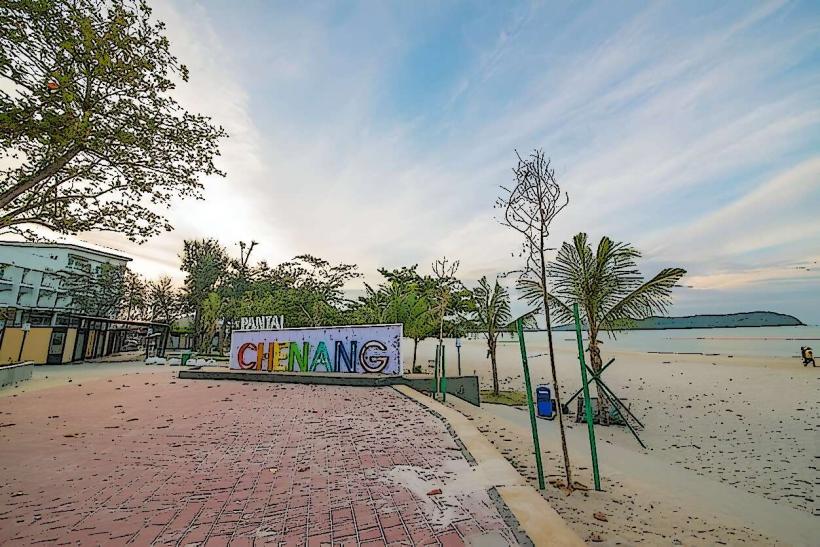
- Black Sand Beach is located near Pantai Pasir Hitam, around a 30-minute drive from Kuah Town and about 15 minutes from Pantai Cenang. It is situated close to Tanjung Rhu Beach, another popular destination in Langkawi.
- To reach the beach, you can easily take a taxi, rent a car, or use a motorcycle to navigate the relatively quiet roads leading to the beach.
7. Nearby Attractions
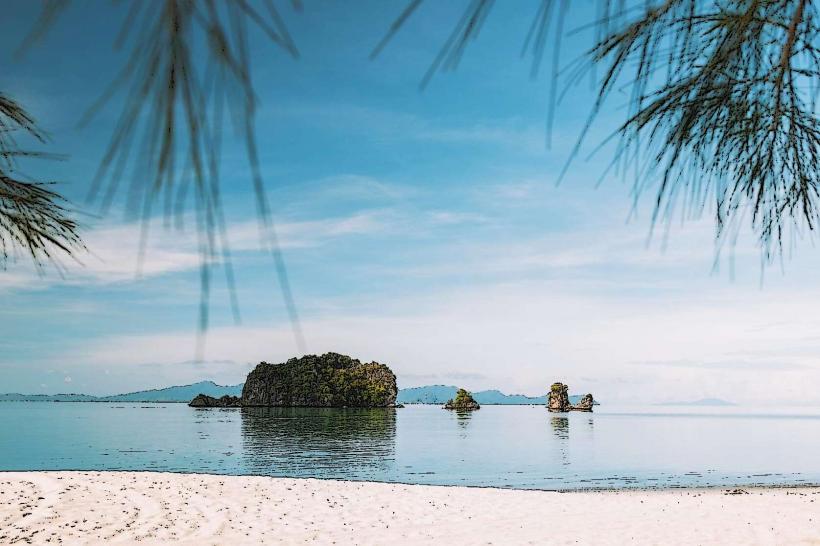
- Tanjung Rhu Beach: A beautiful, pristine beach known for its seclusion, clear waters, and surrounding mangrove forests. It’s a great spot for picnics and water activities like kayaking.
- Langkawi Wildlife Park: Located nearby, this wildlife park offers opportunities to interact with a variety of animals, including birds, reptiles, and mammals in naturalistic habitats.
- Langkawi Craft Complex: A center where you can explore traditional Malaysian handicrafts, including batik, pottery, and jewelry, as well as learn about local culture.
Visitor Information
Location:
- Black Sand Beach is located on the northwestern coast of Langkawi, specifically near the Tanjung Rhu area. It is easily accessible from Pantai Cenang and Kuah Town, both of which are major tourist hubs in Langkawi.
Best Time to Visit:
- The best time to visit is during the morning or late afternoon, as the sun’s angle creates interesting lighting effects on the sand, making for great photos.
- Langkawi enjoys a tropical climate, so it’s generally sunny year-round. However, it’s recommended to avoid visiting during the monsoon season (usually from May to October) as the weather can be unpredictable with occasional rainfall.
Entry Fees:
- There are no entry fees to visit Black Sand Beach, making it a budget-friendly attraction. However, some nearby attractions or activities may require a fee.
Visitor Tips
- Bring sunscreen: Due to Langkawi’s tropical climate, it's important to protect yourself from the sun, especially if you plan to spend time at the beach.
- Wear comfortable shoes: If you plan to explore the beach or surrounding areas, wear comfortable shoes that can handle the slightly rocky terrain.
- Bring a camera: Black Sand Beach offers unique opportunities for photography, so don’t forget to capture the beauty of the beach and the surrounding scenery.
- Pack food and water: As the area is relatively quiet, there are limited facilities, so it’s a good idea to bring your own supplies for a picnic.
Black Sand Beach is a stunning natural attraction that offers a peaceful and unique experience for visitors. Its striking dark sand, tranquil atmosphere, and nearby natural beauty make it a must-visit destination for anyone exploring Langkawi.