Information
Landmark: Burleigh Heads BeachCity: Gold Coast
Country: Australia
Continent: Australia
Burleigh Heads Beach, Gold Coast, Australia, Australia
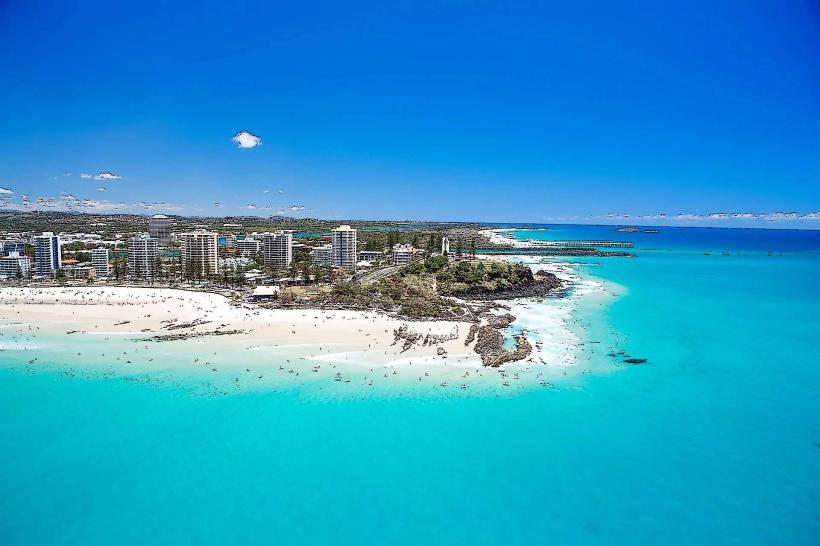
Burleigh Heads Beach is a prominent coastal headland and surf break located on the Gold Coast, Queensland, Australia.
It forms part of the protected Burleigh Head National Park, offering a significant natural landmark within an urban environment.
Visual Characteristics
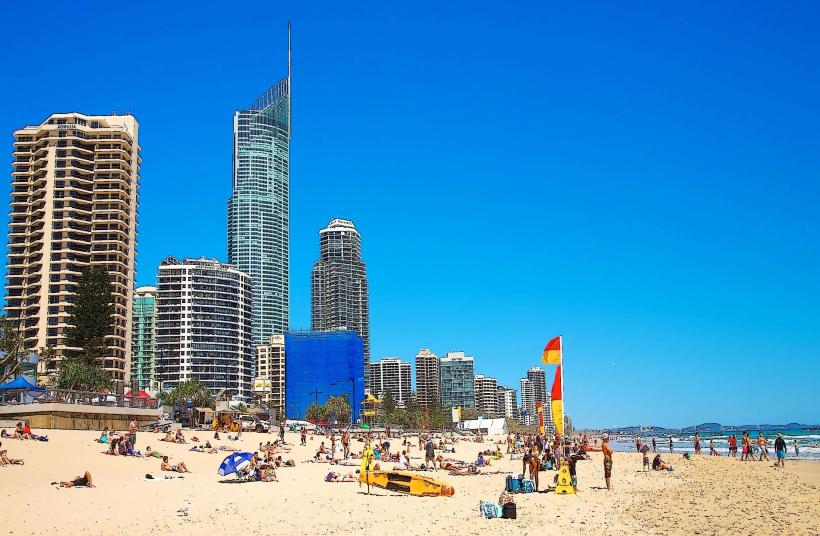
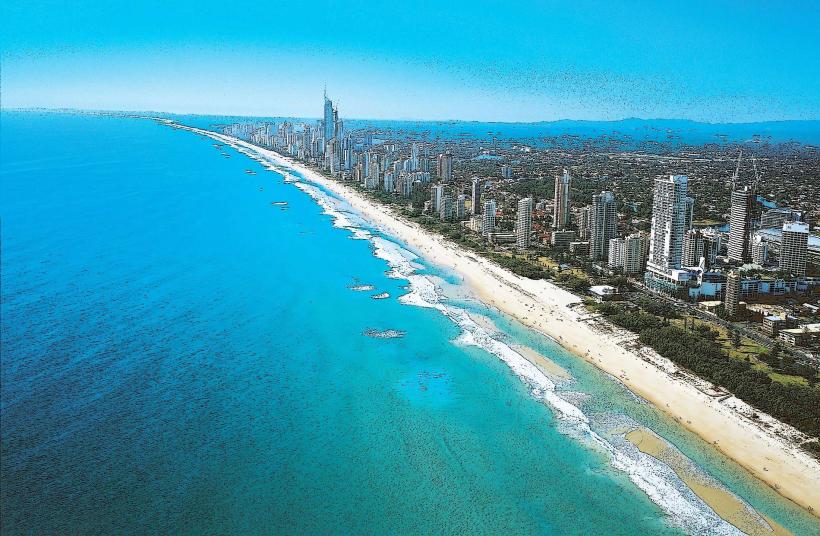
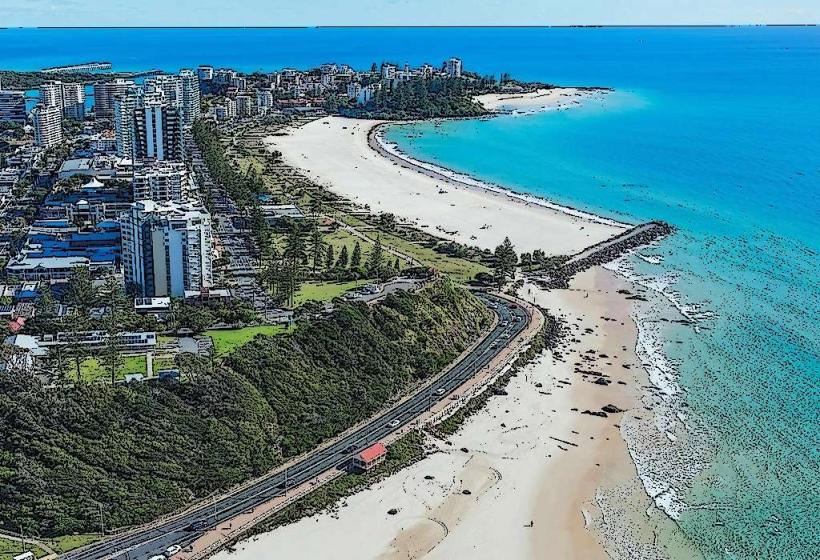
The headland is characterized by dense subtropical rainforest vegetation, including Hoop Pines (Araucaria cunninghamii) and Bangalow Palms (Archontophoenix cunninghamiana). The coastline features a prominent rocky headland that extends into the Pacific Ocean. The beach itself consists of fine, pale golden sand. The ocean water color varies from turquoise to deep blue depending on depth and light conditions. The surf break is known for its consistent point break, generating right-hand waves.
Location & Access Logistics
Burleigh Heads Beach is situated approximately 10 kilometers south of Surfers Paradise. Access is via Gold Coast Highway (State Route 20). Parking is available in designated lots along The Esplanade and within Burleigh Head National Park, though spaces can be limited during peak periods. Public transport options include the 700 bus route, which runs frequently along the Gold Coast Highway, stopping at Burleigh Heads. For those arriving from further afield, the nearest major airport is Gold Coast Airport (OOL), approximately 17 kilometers south.
Historical & Ecological Origin
The headland is composed of volcanic rock, primarily basalt, formed approximately 23 million years ago during the Tertiary period. It represents a significant geological feature that has resisted erosion, creating the promontory. The area is ecologically classified as coastal rainforest and littoral rainforest, supporting a diverse range of flora and fauna. Indigenous Australian heritage is significant, with the Yugambeh people having a long-standing connection to the land and sea country of Burleigh Heads.
Key Highlights & Activities
Surfing is a primary activity, with the point break suitable for intermediate to advanced surfers. Walking trails within Burleigh Head National Park offer opportunities for birdwatching and observing native flora. The Ocean View walk provides panoramic views of the coastline. Swimming is permitted in designated areas, though caution is advised due to currents and surf conditions. Picnicking facilities are available in the park.
Infrastructure & Amenities
Restrooms and shower facilities are located at the base of the headland near the main beach access. Shaded picnic areas with tables and barbecues are present within Burleigh Head National Park. Cell phone signal (4G/5G) is generally reliable in the vicinity of the beach and park entrance. Food vendors and cafes are situated along The Esplanade, adjacent to the beach.
Best Time to Visit
For photography, early morning light (sunrise) offers optimal illumination of the headland and ocean. Mid-morning to late afternoon provides good visibility. The best months for consistent weather and moderate temperatures are typically March to May and September to November. High tide is generally preferred for the surf break, though conditions vary. Low tide can expose rock platforms.
Facts & Legends
A local legend suggests that the headland was once the home of a giant bunyip, a mythical creature from Australian Aboriginal folklore, which would emerge from the ocean during storms. Scientifically, the area is a significant nesting site for Wedge-tailed Shearwaters (Ardenna pacifica), with thousands of birds returning annually to breed in burrows on the headland.
Nearby Landmarks
- Tallebudgera Creek (0.8km South)
- David Fleay Wildlife Park (3.5km Southwest)
- Miami Beach (4.0km North)
- Currumbin Rock (5.0km Southwest)