Information
Landmark: Cahir CastleCity: Tipperary
Country: Ireland
Continent: Europe
Cahir Castle, Tipperary, Ireland, Europe
Overview
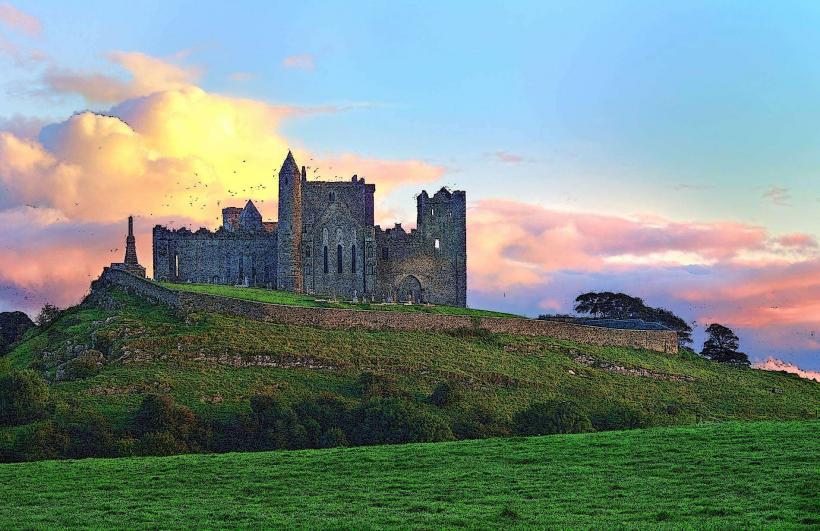
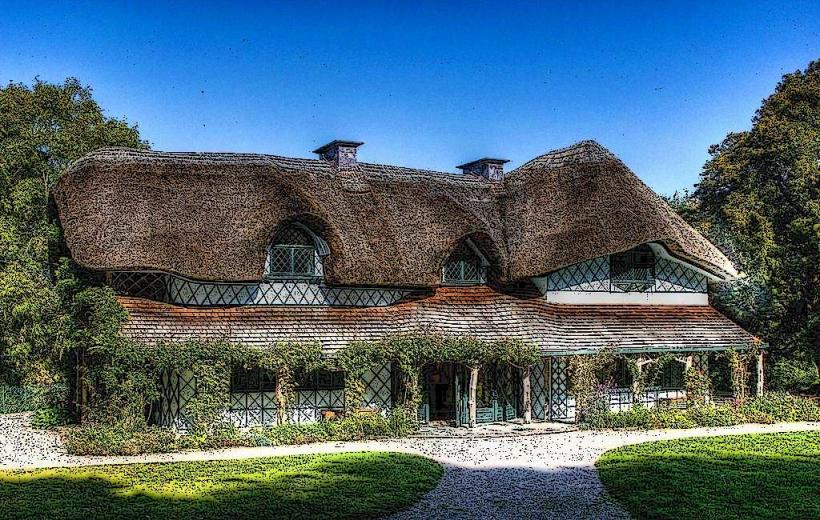
Cahir Castle, rising over the River Suir in the heart of Cahir, stands among Ireland’s most striking medieval fortresses, at the same time perched on an island in the River Suir, this fortress stands as a striking piece of Irish medieval design, its stone walls among the best preserved in the country.Perched in a prime spot and boasting stone walls that have stood for centuries, it’s a destination history buffs and lovers of Ireland’s medieval past simply can’t miss, then one, slightly often Not surprisingly, Cahir Castle stands in the heart of Cahir, about 24 kilometers-roughly a fifteen‑mile drive-north of Clonmel in County Tipperary, Ireland, its stone walls rising above the River Suir, in turn perched on an island in the River Suir, the castle commands both beauty and defense.Lush parkland wraps around it, and a stone bridge spans the water, leading straight to its striking gates, subsequently the area feels calm and picturesque, with the river glinting in the light and the Galtee Mountains rising in the distance.Believe it or not, Cahir Castle’s story begins in the 13th century, around 1142 AD, when its first stone walls were laid, as a result the Butler family, among Ireland’s most prominent, built it, their wealth and influence stretching from grand estates to the bustling streets of Dublin.The castle was their stronghold, built from the start to tighten their grip on the surrounding lands, to boot perched on an island in the River Suir, it was shielded by gloomy, sluggish-moving water that kept enemies at bay, generally Over the years, the castle grew into one of the region’s key strongholds, its walls thickened and towers added to bolster defense, furthermore in the 16th century, Cahir Castle stood at the heart of the Elizabethan Wars and later weathered the fierce sieges of the Cromwellian period.The Butlers, loyal to the Catholic cause, endured wave after wave of battles and sieges, often clashing with English troops under a gray, rain-soaked sky, along with still, despite the hardships, the castle stood as a proud symbol of the Butler family’s power, its stone walls catching the morning mist.For centuries they lived there and kept it in good repair, until the 19th century, when its grandeur slowly faded into decline, after that in the 1960s, the Office of Public Works took charge of maintaining and preserving the castle so it would stand for generations to come.Visitors now approach through a massive stone gatehouse, guarded by a wooden drawbridge over a murky, still moat, alternatively during medieval sieges, this towering keep served as the castle’s strongest line of defense, and today it remains the heart of Cahir Castle’s fortifications.This tower house once sheltered the castle’s lords and, in troubled times, stood as their stronghold, its thick stone walls holding back the chaos outside, what’s more the keep stands out for its thick stone walls, built to endure fierce assaults, and Cahir Castle is ringed by sturdy defenses, with towers anchoring each corner like silent sentinels.The towers bristled with battlements, giving archers and other defenders a high perch to rain arrows down during a siege, simultaneously the castle’s layout was built for defense, giving its guards a clear advantage from every side.In the 17th century, heavy cannons lined its stone batteries, ready to answer the thunder of approaching artillery, while a few of these cannons still line the castle grounds, gloomy metal cool to the touch, roughly Inside, the great hall opens wide, a region where the Butlers once welcomed guests and settled their affairs, while the stone stairs winding up to the upper floors reveal how the castle’s inner structure was built to work and impress, in some ways In the courtyard below, once filled with voices and the smell of baking bread, daily life thrived at the height of its occupation, and this was where daily life unfolded, with buildings like stables smelling faintly of hay and kitchens warm from the fire.Tucked inside the castle stood St, therefore anne’s Chapel, a tiny but cherished location of worship for its residents.The chapel still stands, offering a glimpse into the castle’s vibrant religious life at its height-the faint scent of historic stone lingers in the air, not only that visitors can join guided tours of Cahir Castle, where they’ll hear rich stories about its history, striking architecture, and the lasting mark the Butler family left on the region.The guides weave the castle’s tales into something vivid, sharing sharp, surprising details about life in medieval Ireland, what’s more inside, you can tap on heritage maps, handle replica weapons, and explore displays tracing its history from the first stone walls to the battles of the Elizabethan Wars and Cromwell’s siege.The exhibits highlight the Butler family and how they shaped both the castle and the region, as a result from the towers and battlements, you can gaze out over Cahir’s rooftops, watch the River Suir curve past, and witness green fields stretching toward the horizon.From the riverbank, the castle rises in sharp detail, its stone walls and towers laid out like a map of its defenses, after that all year long, Cahir Castle comes alive with medieval reenactments, lively history talks, and activities that keep families lingering past sunset.Visitors can step into the bustle of the castle’s medieval prime, hearing the clang of iron gates and the murmur of the courtyard, while Cahir Castle itself stands as a striking example of military architecture from that era, as well as thick Norman walls, tall Gothic windows, and graceful Renaissance touches show how castle design transformed over the centuries.Because so many original features remain, Cahir Castle offers a treasure trove for anyone studying Ireland’s medieval history and architecture, consequently its position on the River Suir made it a key stronghold in turbulent times-most famously during the thunder of cannon fire at the 1599 siege-cementing its region in the nation’s political story.During the Elizabethan Wars, the Butler family’s steadfast loyalty to the Catholic cause put them squarely in conflict with English rule, sparking fierce clashes that echoed through the stone halls of the castle, as a result today, Cahir Castle remains a cornerstone of County Tipperary’s cultural heritage, fairly Preserving it lets future generations step into Ireland’s vibrant medieval history, tracing the tangled ties between nobles, townsfolk, and invading forces, as well as just a short hike away in Cahir, the Swiss Cottage-a quaint 19th-century Gothic Revival villa-waits with its steep roof and latticed windows.The Butler family once lived here, their timeworn brass door knocker still cool to the touch.
Author: Tourist Landmarks
Date: 2025-08-26