Information
Landmark: Cardiff CastleCity: Cardiff
Country: United Kingdom
Continent: Europe
Cardiff Castle, Cardiff, United Kingdom, Europe
Overview
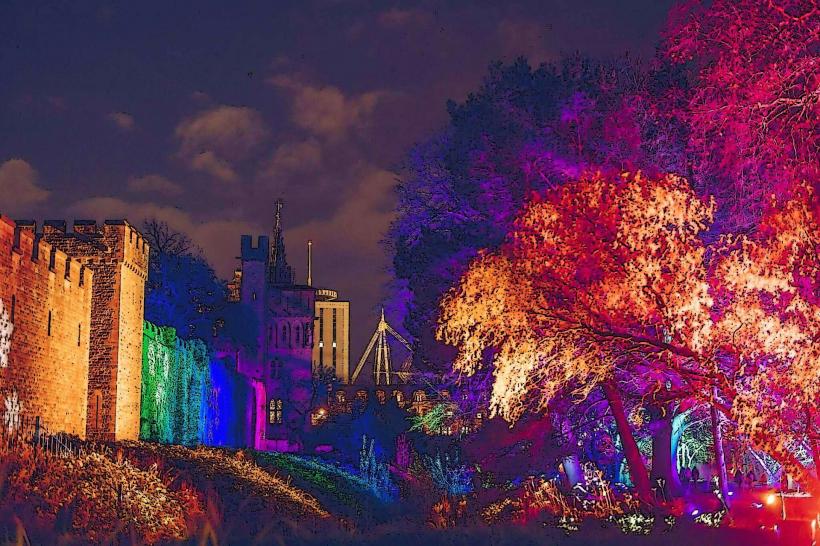
Right in the center of Cardiff, Wales’s capital, Cardiff Castle rises with centuries of history in its stone walls, subsequently this castle mixes Roman, Norman, and Victorian styles, its stone walls telling nearly 2,000 years of local history.Cardiff Castle draws crowds from around the world, yet it’s also a proud piece of Wales’ national heritage, its stone walls holding centuries of history, consequently a quick gaze at the background and how it all began.Cardiff Castle’s story begins in the 1st century AD, when Roman soldiers built a fort on the site, their shields catching the sunlight as they stood watch, then the Romans built the settlement of Isca to guard a key spot on the River Taff, and you can still spot fragments of the classical fort inside the castle grounds, moderately If I’m being honest, At Cardiff Castle, archaeologists have unearthed pieces of the Roman fort’s stout stone walls, its weathered gateways, and even the tiled floor of an ancient bathhouse, while the Romans first built this fort as part of a chain of strongholds guarding southern Wales, kind of Centuries later, after the Norman conquest in the 11th century, a wooden motte-and-bailey castle rose on the same hill, as well as cardiff Castle began to take shape when builders raised a steep earthen motte and topped it with a sturdy stone keep, for the most part The Norman keep, a massive block of weathered stone in the castle’s heart, stands as one of its oldest surviving parts, alternatively the castle served both as a fortress and as the home of its lords, its stone walls thick enough to muffle the wind, slightly often Oddly enough, In the 19th century, it changed dramatically under the 3rd Marquess of Bute, who inherited it in the early 1800s, likewise the Marquess, among the richest men in Britain, set out to turn the castle’s crisp stone halls into a soaring Gothic Revival palace.Actually, Architect William Burges led the transformation of Cardiff Castle into a Victorian masterpiece, designing ornate ceilings and grand towers for the Marquess of Bute, not only that burges crafted the castle’s breathtaking interiors, from the gilded Arab Room to the grand Banqueting Hall and the towering Clock Tower, filling them with intricate carvings, bursts of rich color, and patterns drawn from medieval and Renaissance design.The Bute family kept refining the castle over the years, transforming it into a lavish home filled with velvet-draped rooms and an impressive trove of artwork, meanwhile during this time, the castle’s grounds took shape, with neat gardens, shaded woodlands, and a formal park where gravel paths crunched underfoot, sort of Number four, moreover in the 20th century, Cardiff Castle changed hands, becoming the property of the City of Cardiff, its grey stone walls now watching over the bustling streets below.Interestingly, In 1947, the Bute family handed the castle over to the city, and ever since, its stone halls have been cared for and opened to visitors, simultaneously cardiff Castle has been carefully restored, and today visitors can wander its stone halls and explore it as a museum and heritage site.The castle still stands as a proud emblem of Cardiff’s past, drawing visitors who come to discover its towering stone walls and explore its many highlights, therefore the Norman Keep, standing beside the weathered Roman wall, is the castle’s oldest surviving section, its thick stone still casting a cool shadow on the courtyard, somewhat You can wander through the keep, climb its winding steps, and take in sweeping views of Cardiff from the tower’s crown, where the wind carries the scent of the city, at the same time within the grounds, fragments of the Roman wall still stand, whispering of the site’s early history and its role in Roman times.To be honest, The Clock Tower, a striking landmark of the castle, rose in the 19th century during the grand Victorian renovations, in addition the Gothic-style tower rose from the Marquess of Bute’s plan to remake the castle, a obscure stone piece of his sweeping vision.Climb the tower and you’ll behold the castle spread out below and the city center stretching toward the bay, equally important number three stood out, neat and sharp like it had just been written in fresh ink.The Arab Room, with its glittering gold ceiling, is among the most famous and lavish spaces in Cardiff Castle, to boot architect William Burges designed the room in a striking Arabesque style, with delicate tile patterns, graceful arches, and craftsmanship so fine you can trace it in every curve.As you can see, This room stands as one of the UK’s best showcases of Victorian Gothic design, with high arched windows that pull your gaze upward, moreover number four.The Banqueting Hall is another breathtaking spot in the castle, with gilded ceilings that catch the light and a design that echoes the elegance of medieval feasts, in turn back in the Bute family’s day, this room hosted grand gatherings, glittering banquets, and stately events beneath its high, echoing ceiling, roughly Oddly enough, Five, at the same time beneath Cardiff Castle, you’ll find a Victorian firing range tucked into its cool, stone basement.This distinctive feature recalls the castle’s military days, when soldiers stood here, rifles in hand, practicing their aim, in turn number six, for the most part The grounds of Cardiff Castle stretch wide and lush, with neat lawns and flowerbeds vivid against the stone walls, making it a perfect spot to unwind or wander, besides the castle gardens are kept in perfect trim, with roses spilling fragrance beside winding paths shaded by heritage oak trees.You can stroll along the castle’s moat, then wander into the parkland where the grass smells fresh-perfect for a lazy roam or an afternoon picnic, as well as cardiff Castle buzzes with life year-round, hosting everything from lively cultural festivals to hands-on educational workshops.Highlights include guided tours, where you can wander stone halls, hear the echo of your footsteps, and learn about the castle’s history, its striking architecture, and the people who once called it home, and expert guides lead visitors through the castle’s past, from its Roman foundations to the 19th-century facelift, pausing in a cool stone hall where echoes linger.All year long, Cardiff Castle comes alive with everything from clashing-sword medieval re-enactments and bustling Victorian fairs to open-air plays, concerts under the stars, and the twinkle of Christmas market lights, also people often fill the castle’s grand halls and sunny courtyards for these events, turning it into a lively site for music, laughter, and celebration.Families can wander through interactive exhibits, join special events, and try hands-on activities-like crafting a paper crown-making the castle both fun and educational for every age, to boot kids can wander through the castle’s dim, echoing tunnels, hear its history brought to life in stories, or slip into scratchy wool and velvet costumes from the Middle Ages.With its centuries-timeworn stone walls and sweeping green lawns, Cardiff Castle draws countless couples and hosts for weddings and private events, at the same time the castle’s Banqueting Hall, with its high-beamed ceiling and warm candlelight, sets the stage for unforgettable celebrations, along with the other graceful rooms.In conclusion, Cardiff Castle stands out as a remarkable region, where towering stone walls meet centuries of history and a rich mix of architecture and culture, alternatively steeped in Roman, Norman, and Victorian history, the castle lets you step into Cardiff’s past, wander through its sturdy stone halls, and take in sweeping views from the sunlit battlements.Whether you’re drawn to centuries-aged history, striking stone towers, or just the thrill of wandering a grand landmark in the city’s heart, Cardiff Castle tops the list of places to behold in Wales.
Author: Tourist Landmarks
Date: 2025-08-26