Information
Landmark: Carnaval de OruroCity: Oruro
Country: Bolivia
Continent: South America
Carnaval de Oruro, Oruro, Bolivia, South America
Overview
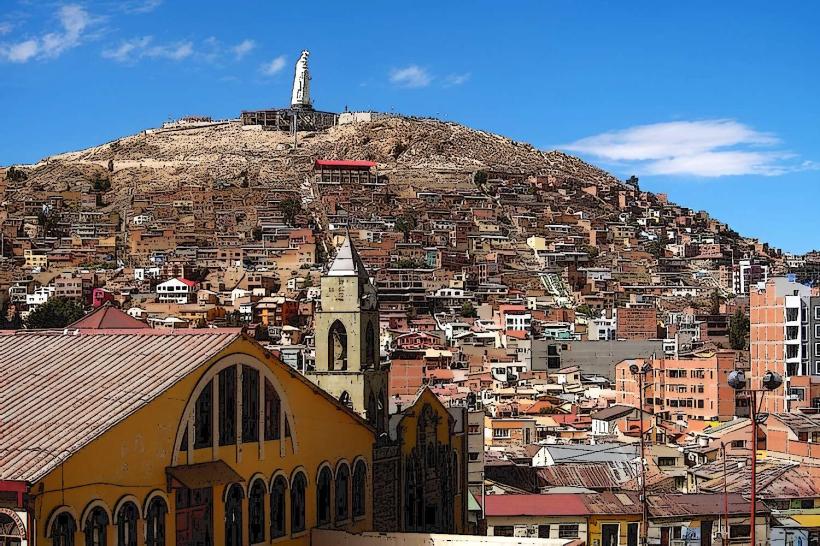
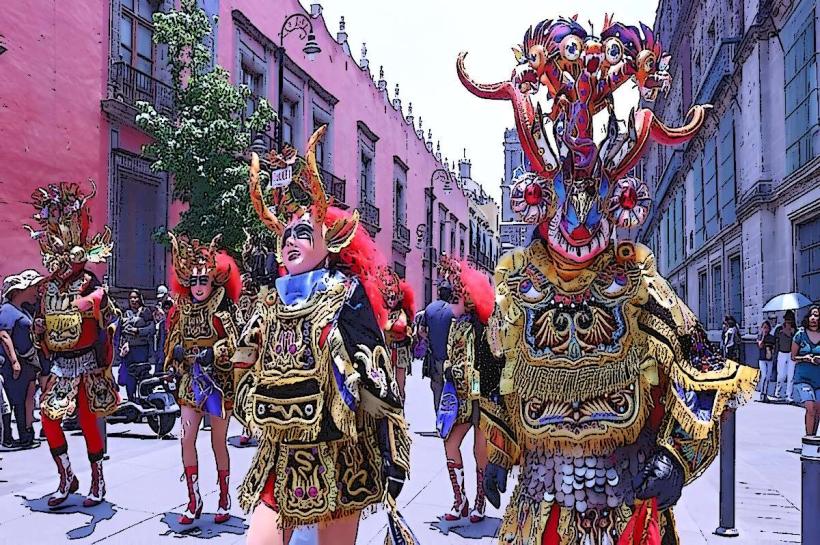
The Carnaval de Oruro, bursting with color and the sound of pounding drums, ranks among Bolivia’s most necessary cultural celebrations and holds UNESCO’s designation as an Intangible Cultural Heritage of Humanity, equally important every year in Oruro, the streets burst with music, color, and devotion in a vast celebration of Bolivian culture and tradition that draws thousands of visitors from around the globe.The festival usually falls in February or March, lining up with Ash Wednesday, when church bells ring to signal the start of Lent, to boot still, its origins reach back to pre-Columbian times, blending the rhythm of indigenous ceremonies with the scent of burning copal and age-vintage spiritual rites.The Carnaval de Oruro traces its roots to a vivid mix of Andean and Catholic traditions, where dancers in feathered masks echo centuries of shared history, also it blends pagan rituals and dances, some as aged as the pre-Columbian era, with Christian traditions brought by the Spanish-candles flickering beside drums that pound in the night.The carnival began as a religious celebration honoring the Virgen del Socavón, patron saint of miners, and as a way to thank her for the region’s rich veins of silver and tin, and over time, it grew into a vibrant, joyful festival, blending religious devotion with indigenous traditions and the lively pulse of popular culture, from glowing banners to the beat of street drums, slightly often At the heart of the Carnaval de Oruro beats the Diablada, the Dance of the Devils, with its swirling masks and gleaming costumes-the most famous and beloved of all the festival’s traditional performances, not only that the dance tells the story of good clashing with evil, its performers swirling across the floor as devils, angels, and other fantastical beings in radiant, rustling costumes.In the Diablada, dancers parade in vivid, layered costumes-masks grinning with painted teeth, fabrics flashing red and gold, and tall, curling horns that catch the light, besides the dance unfolds the tale of good triumphing over evil, with performers stepping in as Andean gods and Catholic saints, their costumes dazzling with gold thread and feathers.Other well-known dances include the Morenada, which portrays the African slaves brought to Bolivia in colonial times, its rhythm marked by pounding drums and prompt, perfectly timed steps, therefore caporales is a vibrant, quick-stepping dance from the Andes, performed by troupes in dazzling costumes with feathers that sway as they move.Tinku is a lively dance that reenacts the heritage Andean clashes between villages, with performers stepping hard in sparkling, battle-style costumes and feathered helmets, besides thematic Processions: For several days, the parade fills the streets with pounding drums, swirling dancers, and glittering costumes, making it one of the festival’s biggest attractions.Interestingly, The processions wind through Oruro’s streets, drums thundering and sparkling costumes flashing, flooding the city with music, color, and electric energy, in addition the parade blends indigenous heritage with Catholic tradition, as dancers in vivid, rustling costumes honor both the Virgen del Socavón and ancient Andean gods.Truthfully, At its heart, the Carnaval de Oruro is a religious celebration, and one of its most moving moments comes when the dancers receive a blessing, incense curling in the air before they step onto the street, subsequently crowds gather for mass at the Sanctuary of the Virgen del Socavón, perched high on Cerro de Socavón, where they murmur prayers and give blessings before setting out on the procession, in a sense The festival also features a pilgrimage to the Virgen del Socavón, where people light candles and pray for her protection and blessings, especially for the miners of the region, on top of that music and Instruments: At the Carnaval de Oruro, the music pulses at the heart of the celebration, with the airy notes of the siku, the radiant strum of the charango, and the deep thud of the bombo driving the dancers forward.Brass bands and wind instruments set the tone, filling the air with vivid, pulsing notes that keep the crowd swaying all day, as well as the music’s rhythms flow straight from the heart of each cultural dance, and every beat sends the dancers spinning with vibrant energy.Costumes and masks flash with color and glitter as dancers swirl through the Carnaval de Oruro, making them one of the festival’s most unforgettable sights, while the costumes burst with color, each one often hand-stitched and trimmed with fine embroidery, soft feathers, and tiny glass beads that catch the light.Performers wear masks-painted with devils’ snarls, angels’ calm faces, or the fierce gaze of indigenous gods-to bring cultural and spiritual symbols to life, what’s more the devil masks-among the carnival’s most iconic sights-wear long, curling horns and brightly painted faces, capturing the timeless battle between good and evil, loosely Festivities and Atmosphere: The carnival bursts with more than dazzling parades and lively dances-it wraps the whole city in music, laughter, and the scent of street food drifting through the air, consequently in Oruro, music spills into the streets, mixing with the smell of sizzling meat and the clink of glasses as locals and visitors celebrate side by side.I think, Beyond the dances and processions, the carnival bursts with concerts, lively plays, and hearty traditional feasts, turning the streets into a celebration that stretches far past the main religious and cultural rites, while tourism and International Recognition: The Carnaval de Oruro now draws crowds from every corner of the globe, luring them with swirling dancers in jeweled costumes, pounding drums, and the vivid spirit of Bolivia’s Andean heritage.In 2001, UNESCO named the Carnaval de Oruro an Intangible Cultural Heritage of Humanity, honoring it as a vibrant emblem of Bolivia’s rich cultural diversity, from glittering costumes to the thundering beat of drums, in conjunction with in the end, the Carnaval de Oruro bursts to life, blending Bolivia’s indigenous traditions, Catholic faith, and Andean culture into a dazzling celebration filled with pounding drums and swirling color.Shining costumes swirl through the streets, drums pound in steady rhythm, and sacred rites unfold-together, the festival becomes a vivid expression of Oruro’s spirit and Bolivia’s soul, while with its colorful mix of tradition, history, and lively community spirit, the carnival stands as one of Latin America’s most cherished and widely celebrated festivals.
Author: Tourist Landmarks
Date: 2025-09-18