Information
Landmark: Catarata del ToroCity: Alajuela
Country: Costa Rica
Continent: North America
Catarata del Toro, Alajuela, Costa Rica, North America
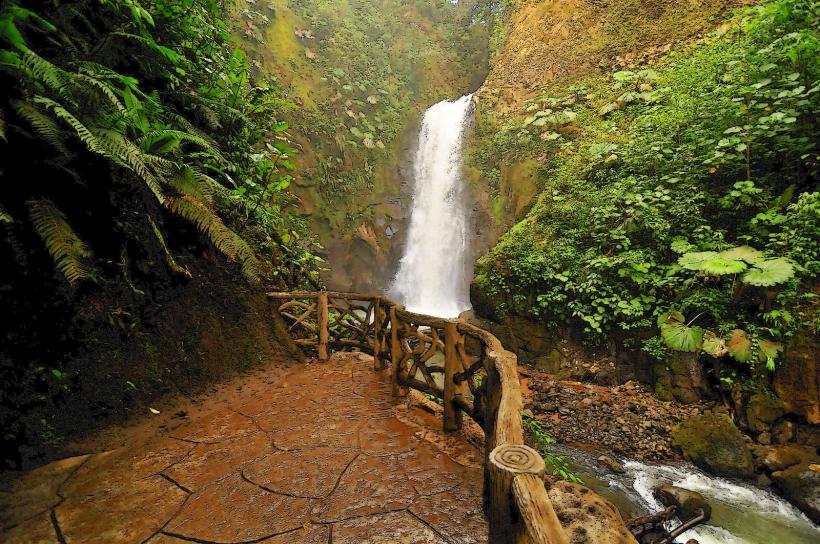
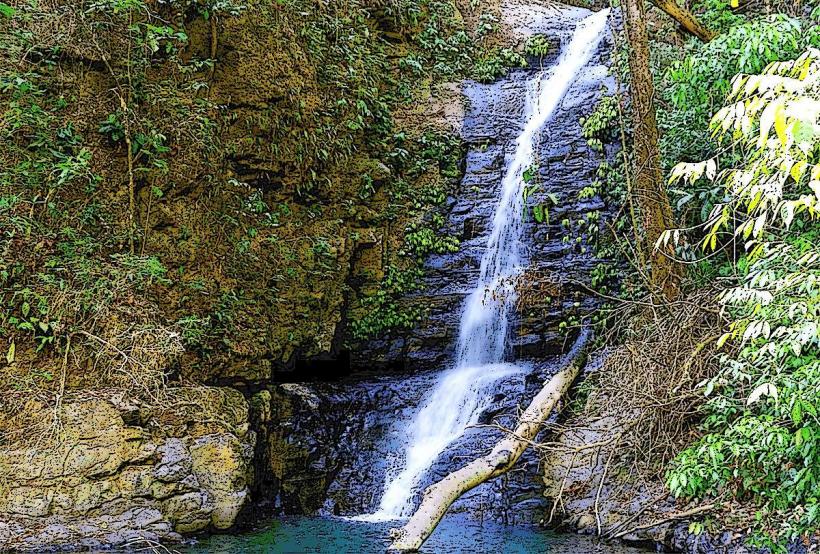
Catarata del Toro is a waterfall located in the Alajuela province of Costa Rica. It is situated within the Bosque de Paz Biological Reserve.
Visual Characteristics
The waterfall descends approximately 90 meters into a deep, circular canyon. The water is a distinct turquoise color due to high mineral content. The canyon walls are composed of volcanic rock, covered in dense, green vegetation including mosses and ferns. The surrounding forest canopy is thick.
Location & Access Logistics
Catarata del Toro is located approximately 15 kilometers west of the town of San Miguel de Sarapiquí. Access is via Route 126, then turning onto a gravel road marked for Bosque de Paz. The final approach involves a 2-kilometer unpaved road. Parking is available at the Bosque de Paz entrance. Public transport is limited; a taxi or private vehicle is recommended from San Miguel.
Historical & Ecological Origin
The waterfall is a natural geological formation, carved by water erosion over millennia into volcanic rock. The surrounding area is a primary cloud forest ecosystem, characterized by high humidity and a rich biodiversity.
Key Highlights & Activities
Observation of the waterfall from designated viewpoints. Hiking the trails within the Bosque de Paz Biological Reserve. Birdwatching is a primary activity in the reserve. Photography of the waterfall and surrounding flora.
Infrastructure & Amenities
Restrooms are available at the Bosque de Paz reception area. Limited shaded areas are present along the main trails. Cell phone signal is intermittent within the reserve. No food vendors are located directly at the waterfall site; food options are available in San Miguel de Sarapiquí.
Best Time to Visit
The best time of day for photography is generally mid-morning to early afternoon when direct sunlight can illuminate the water and canyon. The dry season, from December to April, offers more stable weather conditions. The waterfall's flow is consistent year-round.
Facts & Legends
The intense turquoise color of the water is attributed to dissolved copper and other minerals originating from the volcanic rock. Local folklore suggests the color is a result of ancient spirits residing in the water.
Nearby Landmarks
- La Paz Waterfall Gardens (12km Southeast)
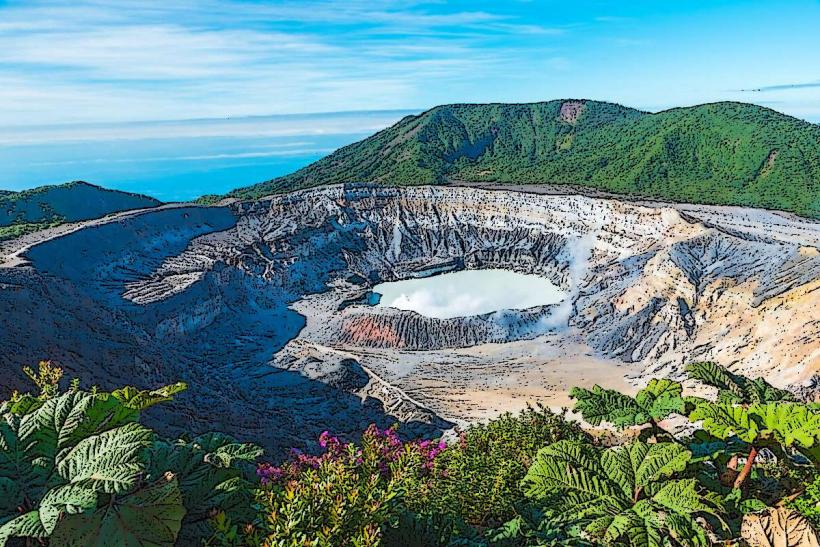
- Poás Volcano National Park (35km Southwest)
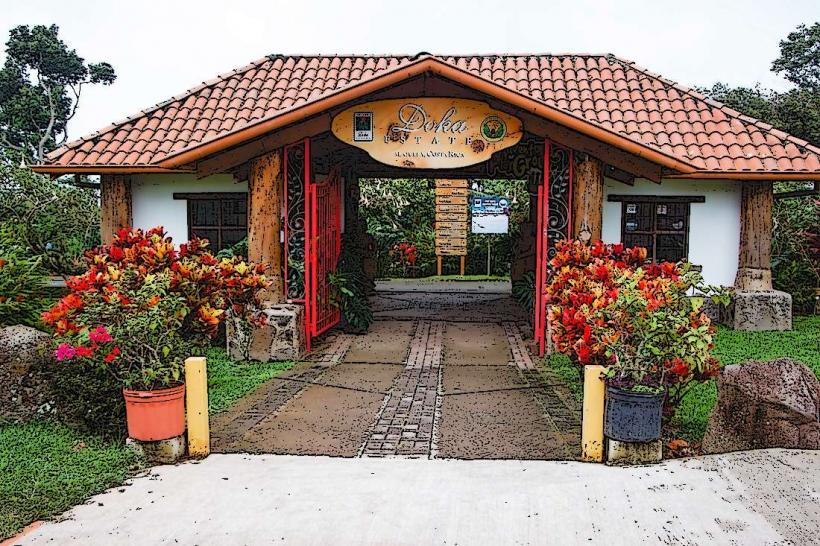
- Doka Estate Coffee Tour (40km Southwest)
- Braulio Carrillo National Park (45km Southeast)