Information
Landmark: Cedar River TrailCity: Cedar Rapids
Country: USA Iowa
Continent: North America
Cedar River Trail, Cedar Rapids, USA Iowa, North America
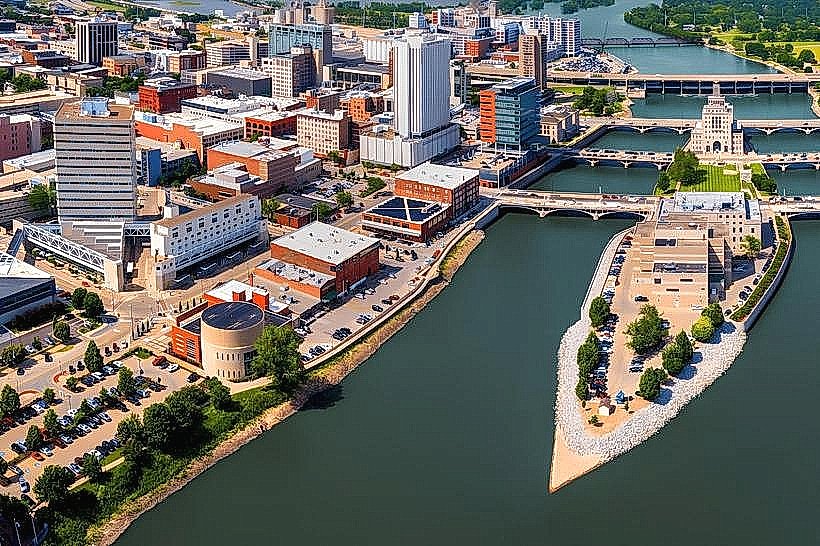
The Cedar River Trail is a prominent multi-use trail in Cedar Rapids, Iowa, following the course of the Cedar River and connecting various neighborhoods, parks, and recreational destinations. It serves as both a scenic pathway for outdoor enthusiasts and a functional route for commuting, promoting active transportation and community engagement.
Historical Background
The trail was developed as part of Cedar Rapids’ broader efforts to create a connected system of greenways and recreational corridors along natural waterways. Its establishment aimed to preserve access to the Cedar River while providing residents with safe, accessible spaces for walking, running, cycling, and other recreational activities. Over time, the trail has been expanded and improved, reflecting the city’s commitment to outdoor recreation and environmental stewardship.
Layout and Features
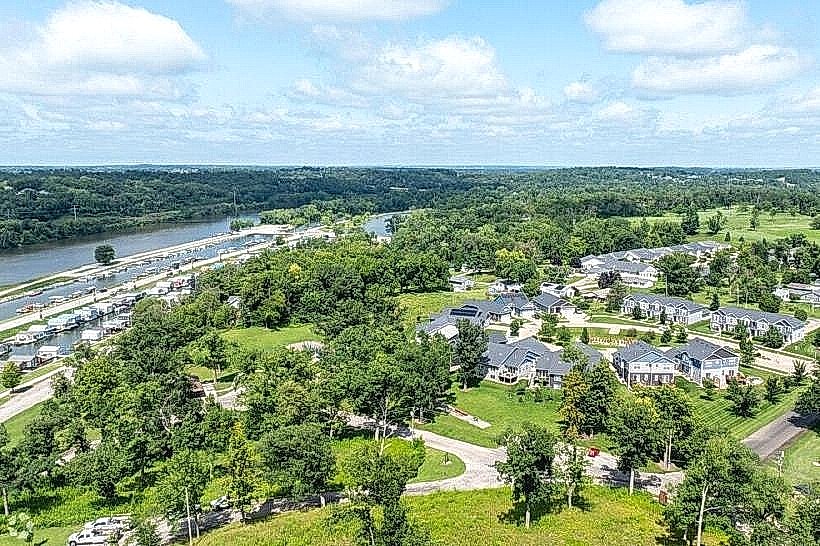
The Cedar River Trail stretches several miles along the river, weaving through urban, suburban, and natural landscapes. Its design emphasizes connectivity, scenic views, and accessibility:
Paved Pathways: Smooth, multi-use asphalt or concrete paths accommodate walking, jogging, cycling, and inline skating.
Trailheads and Access Points: Strategically located entry points with parking, signage, and informational kiosks.
Bridges and River Crossings: Pedestrian bridges connecting both sides of the river and facilitating continuity of the trail.
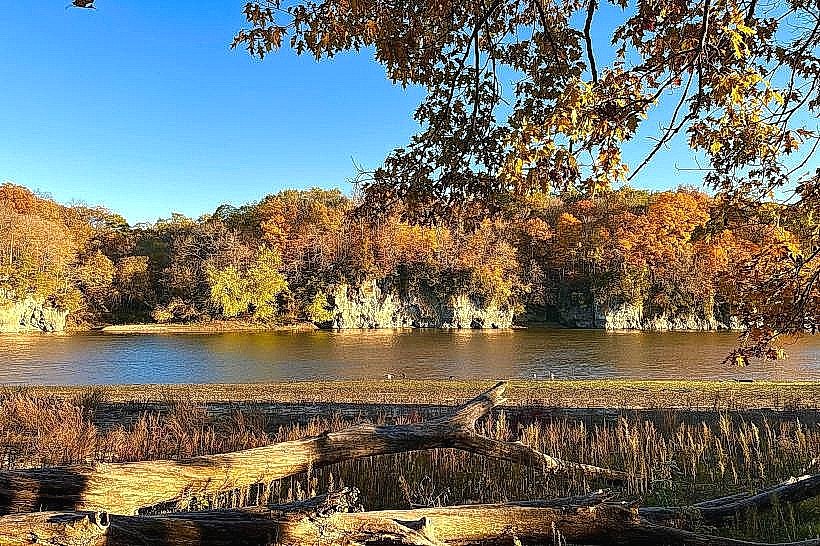
Natural Scenery: River views, wooded areas, and landscaped sections provide a sense of immersion in nature.
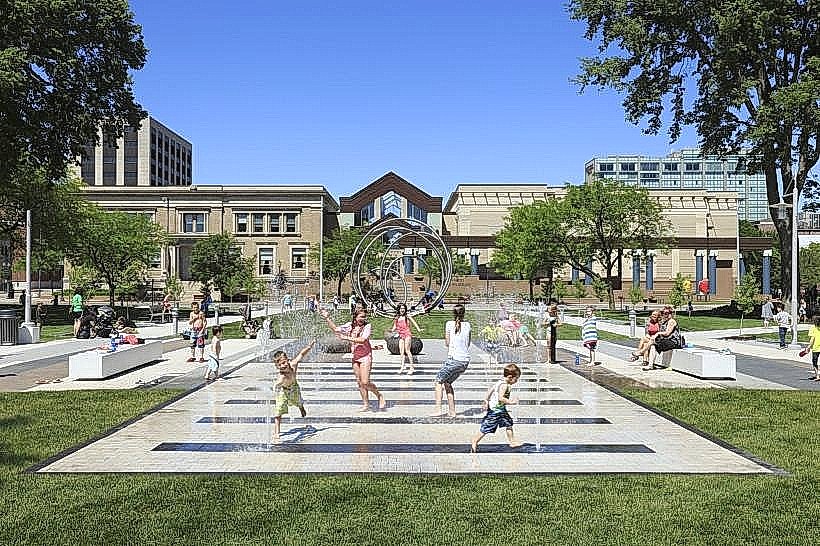
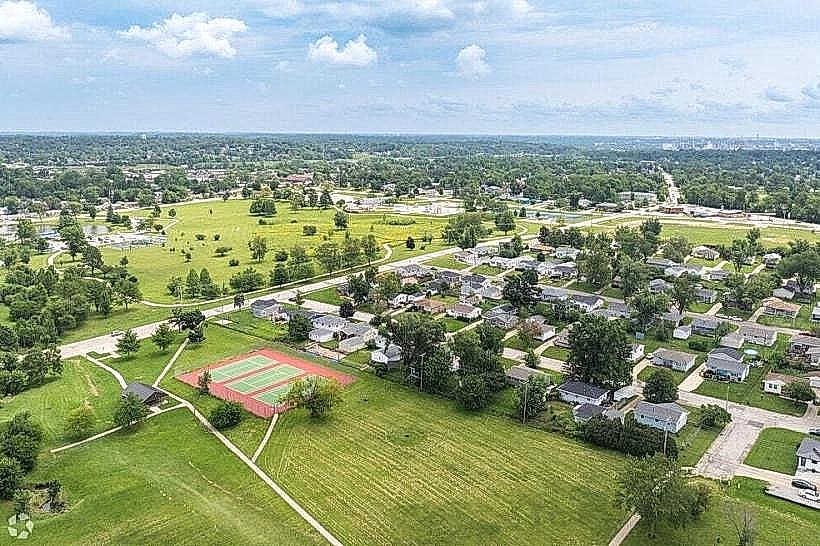
Connectivity to Parks: Links to major parks such as Noelridge Park, Greene Square, and other recreational areas.
The trail’s layout encourages both leisurely enjoyment and active transportation, making it a versatile asset for the community.
Recreational and Community Role
The Cedar River Trail functions as a central artery for outdoor activity in Cedar Rapids:
Fitness and Recreation: Walking, running, biking, and skating are common daily activities.
Nature and Wildlife Observation: The trail passes through natural areas, providing opportunities for birdwatching and enjoying local flora and fauna.
Commuting and Connectivity: Serves as a safe, environmentally friendly route for residents traveling between neighborhoods, downtown, parks, and schools.
Community Events: Hosts organized runs, bike rides, charity events, and seasonal festivals along the corridor.
The trail’s integration with surrounding parks, cultural districts, and neighborhoods makes it a vital community asset, fostering wellness, recreation, and social interaction.
Environmental and Cultural Significance
Following the river’s course, the trail emphasizes conservation and floodplain preservation, allowing residents to engage with the natural environment responsibly. Interpretive signage along the trail often highlights the river’s ecology, historical significance, and role in Cedar Rapids’ development.
Modern Identity
Today, the Cedar River Trail is recognized as one of Cedar Rapids’ most important recreational and commuter corridors. It balances scenic beauty, community connectivity, and environmental stewardship, offering residents a continuous space for exercise, leisure, and outdoor engagement.
The trail embodies Cedar Rapids’ commitment to integrated urban planning, active lifestyles, and riverfront revitalization, serving as both a practical route and a recreational destination for people of all ages.