Information
Landmark: Cetinje MonasteryCity: Cetinje
Country: Montenegro
Continent: Europe
Cetinje Monastery, Cetinje, Montenegro, Europe
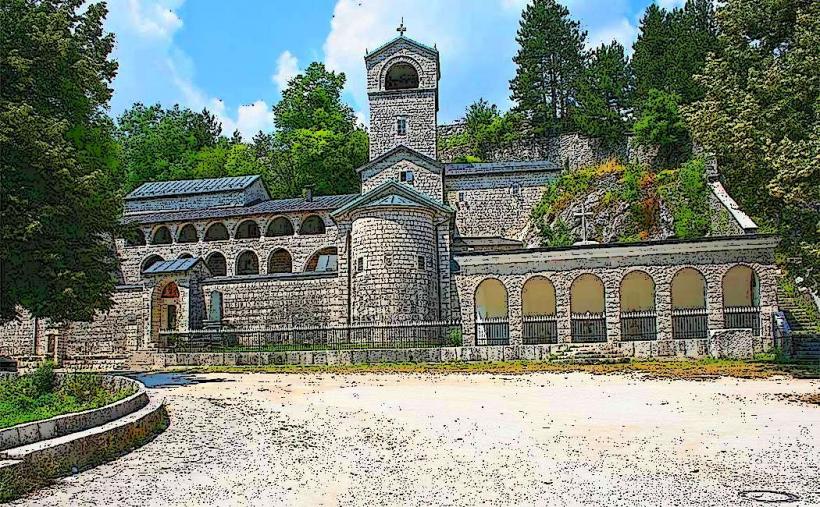
Cetinje Monastery is one of the most important and historically significant religious and cultural landmarks in Montenegro. Situated in the town of Cetinje, the former royal capital of the country, the monastery has played a central role in both the spiritual life and the national identity of the Montenegrin people. It is dedicated to the Nativity of the Theotokos (the Virgin Mary) and has a rich history dating back to the 15th century.
Overview
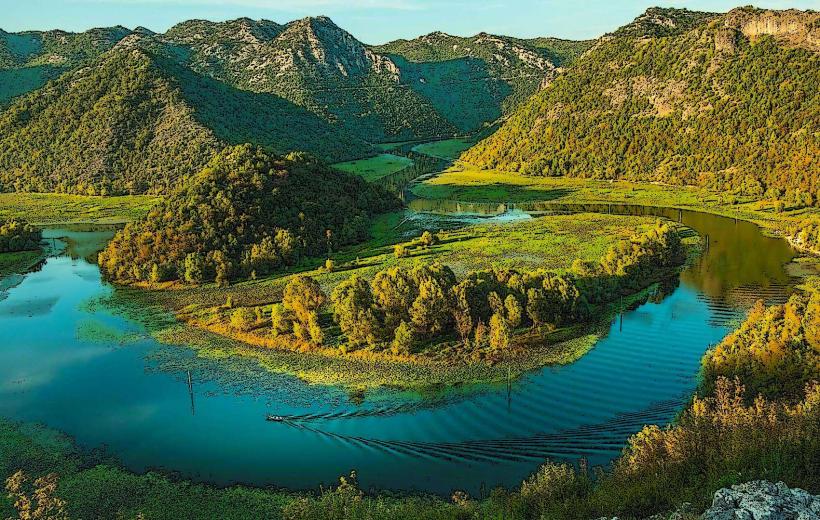
Location: Cetinje Monastery is located in Cetinje, the historic capital of Montenegro, nestled in a valley at the foot of the Lovćen Mountain. The town of Cetinje itself is located approximately 30 kilometers inland from the Adriatic coast, surrounded by rugged hills and beautiful forests.
Historical Significance: Founded in the late 15th century, Cetinje Monastery holds great religious, cultural, and political importance in Montenegrin history. It has served not only as a religious center but also as a symbol of Montenegro's sovereignty, particularly during times of foreign occupation and conflict.
History of Cetinje Monastery
Founding and Early History
The original Cetinje Monastery was built in 1484 by the Prince-Bishop Danilo I of the Crnojević dynasty, who is credited with establishing Cetinje as the center of Montenegrin Orthodox Christianity. The monastery was initially constructed in a Romanesque style, though it has undergone significant changes over the centuries due to wars and natural disasters.
The monastery's history is deeply tied to the Montenegrin state, especially during the Ottoman period when Montenegro fought to maintain its independence and Orthodox Christian faith. Cetinje Monastery was often at the center of political and military activity during this time.
The Destruction and Reconstruction
- The monastery has been destroyed and rebuilt several times throughout history. It was damaged in the 18th century by the Ottoman Empire and Venetians. It was later reconstructed in the 19th century, following Montenegro's liberation from Ottoman rule. This reconstruction gave the monastery its present-day appearance, with neo-Byzantine architecture becoming prominent.
Role During the National Revival
- Cetinje Monastery played a crucial role during Montenegro's national revival in the 19th and 20th centuries. In 1878, the monastery served as the backdrop for the declaration of Montenegro's independence following the Berlin Congress. It also became a center of religious and cultural resistance to foreign powers during the period of Yugoslavia.
Architecture
Exterior and Structure
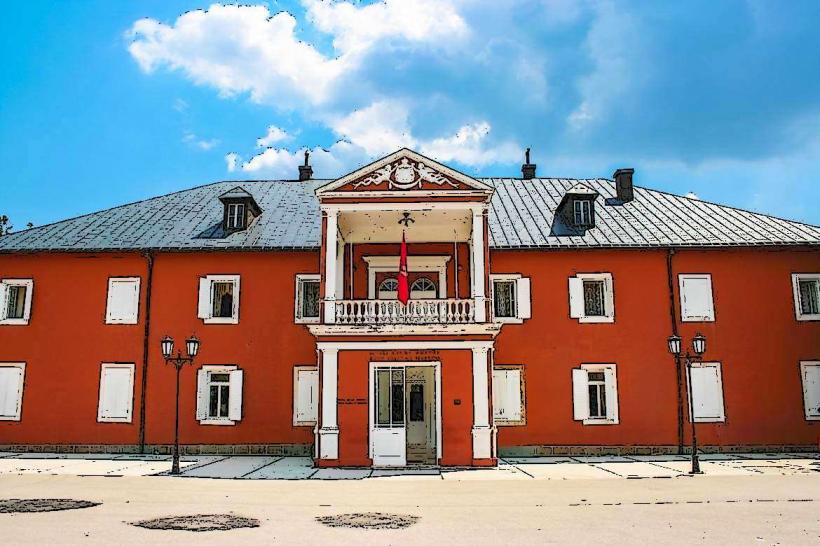
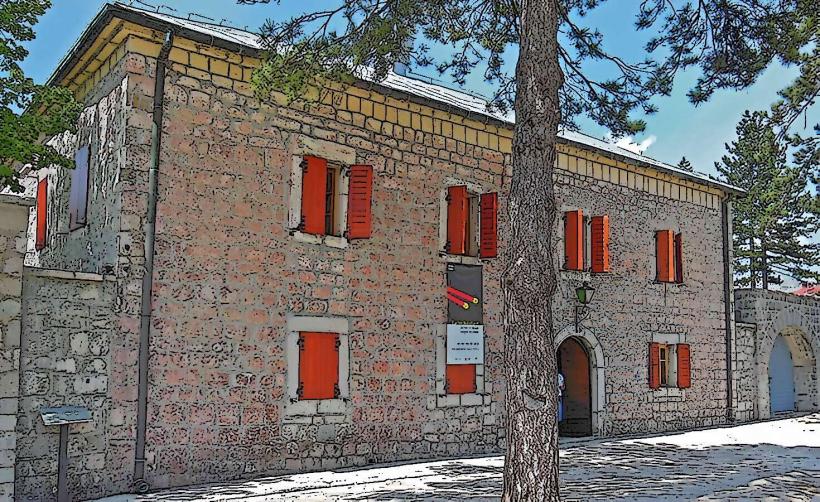
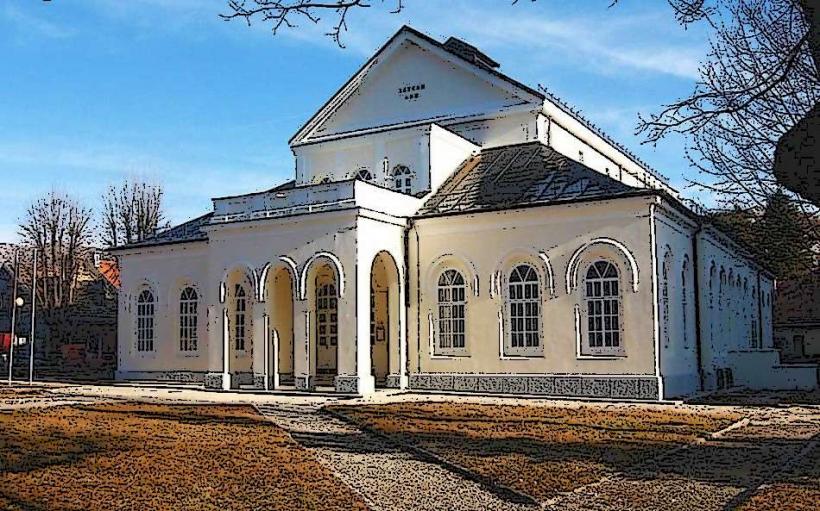
The Cetinje Monastery features a blend of traditional Byzantine, Serbian, and Italian Renaissance architectural styles, which reflect the influence of various cultures throughout the monastery's long history. The building is constructed primarily from stone, with a large bell tower rising above the main entrance, which is one of the key elements of the monastery's imposing façade.
The courtyard is enclosed by walls, and visitors can explore the small garden with its carefully preserved plants and religious symbols. The complex includes several small chapels and monastic buildings.
The Church of the Nativity of the Theotokos
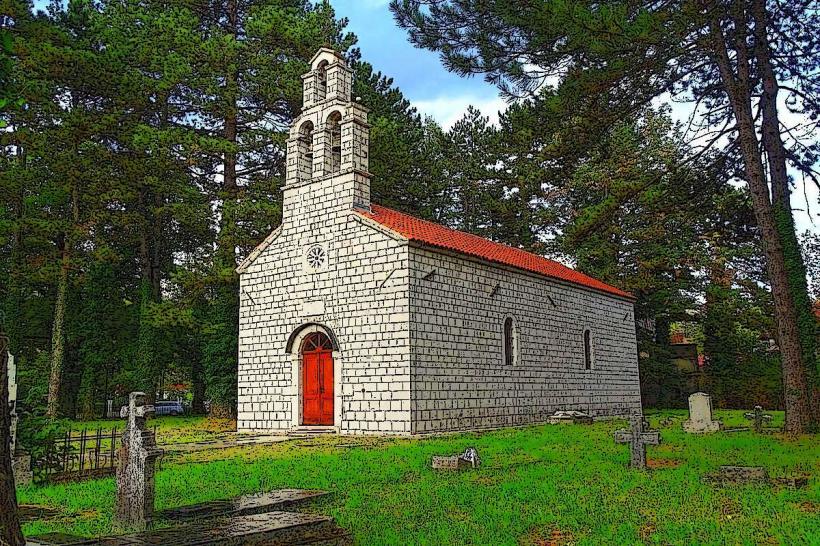
The monastery's main church, the Church of the Nativity of the Theotokos, is the centerpiece of the complex. It is a small but striking stone church, which houses a richly decorated iconostasis (a wall of icons) and religious artwork, typical of Orthodox Christian churches.
The church features a number of frescoes, icons, and paintings from the 18th and 19th centuries, many of which depict scenes from the life of Christ and the Virgin Mary. The intricate artwork, created by local and foreign artisans, enhances the spiritual ambiance of the church.
Relics and Treasures
The monastery is famous for its relics, many of which are considered of great religious and national significance. Among the most important items housed in the monastery are:
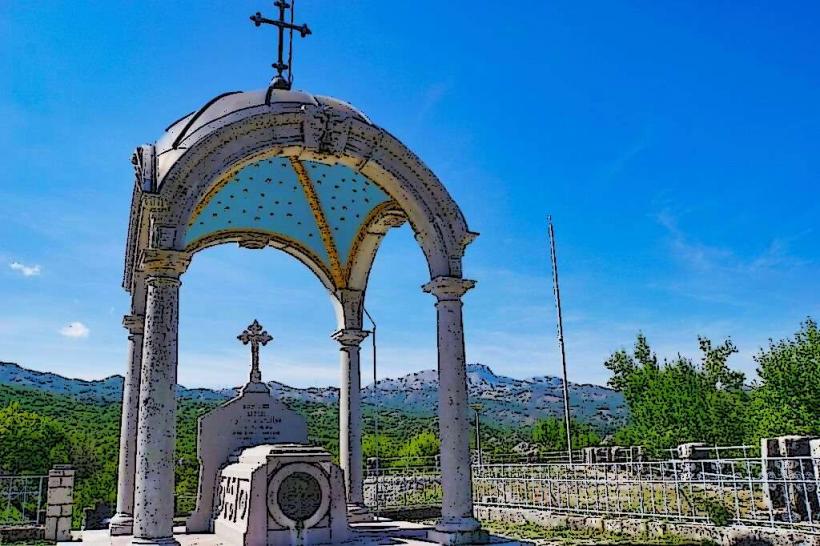
The relics of Saint Peter of Cetinje: Saint Peter of Cetinje, the revered Montenegrin ruler and bishop, is one of the most respected figures in Montenegro's history. His remains are kept in the monastery, and the shrine in his honor is an important pilgrimage site for Orthodox Christians.
The hand of Saint John the Baptist: The monastery is also known for housing the relic of the hand of Saint John the Baptist, which was brought to Cetinje from Russia in the 19th century. This relic is a revered symbol for Montenegrins and Orthodox Christians across the world.
Holy Icons and Artifacts: The monastery contains a collection of sacred icons, religious manuscripts, and liturgical objects that date back to the Middle Ages. These items reflect the monastery's long history and the role it has played as a spiritual center for Orthodox Christians.
Spiritual and Cultural Significance
Spiritual Center: Cetinje Monastery continues to function as a spiritual hub for Orthodox Christians in Montenegro and the wider region. It is an active place of worship, where daily prayers and religious services are held. Visitors can often observe the monks performing religious rituals and can partake in spiritual activities.
Montenegrin National Identity: The monastery has long been a symbol of Montenegrin identity. It represents the resilience of the Montenegrin people in the face of foreign domination, particularly during the Ottoman and Austrian periods. The church and its relics have been an important part of the national consciousness, and the monastery’s role in national independence and religious continuity is central to its legacy.
Cultural Heritage: Cetinje Monastery is not only a religious site but also a place of historical and cultural importance. It has hosted many important figures in Montenegrin history, including Montenegrin rulers and national heroes. It is also a popular destination for those interested in the history of the Balkan region.
Visiting Cetinje Monastery
Accessibility
By Car: Cetinje Monastery is located about 30 kilometers from Podgorica, the capital of Montenegro, and is easily accessible by car. It is a short drive from the Montenegrin coast and is well-connected to other major towns in Montenegro.
By Foot: Visitors can also reach the monastery by walking through the historical town of Cetinje, which itself is full of historical buildings and landmarks.
Opening Hours: The monastery is generally open to visitors year-round. However, it is advisable to check with the monastery or a local tour operator for specific visiting hours and any religious services or events that might affect visitor access.
Activities for Visitors
Tourism and Pilgrimage: Cetinje Monastery is both a pilgrimage site for Orthodox Christians and a popular tourist destination. Visitors can explore the monastery’s church, icon collection, and relics, while also learning about the history of the Montenegrin monarchy and the role of the church in Montenegro's independence.
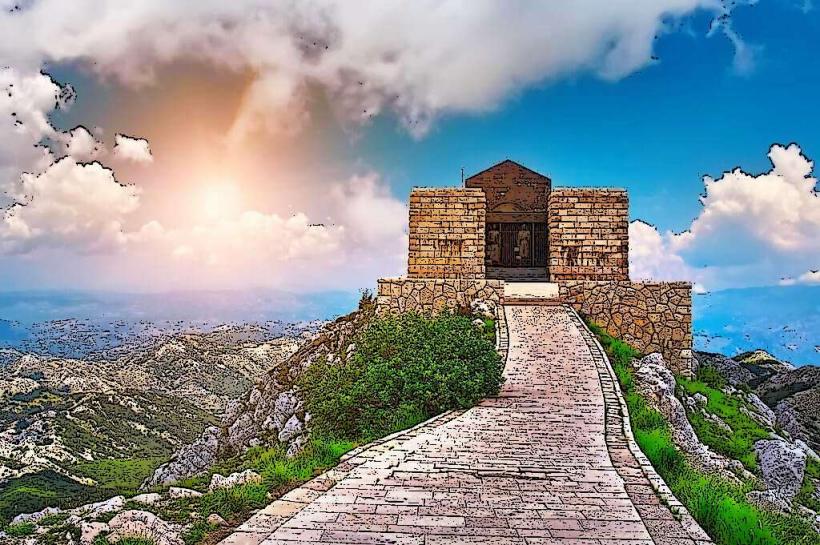
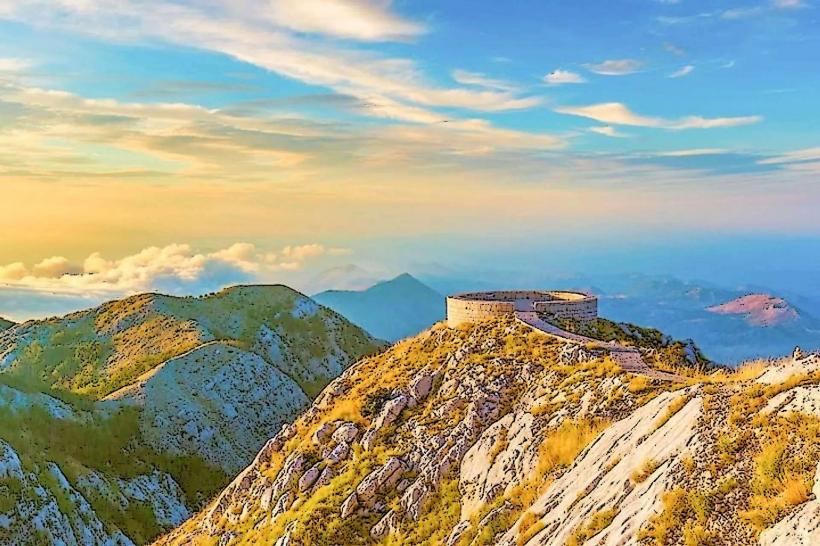
Photographic Opportunities: The monastery’s architectural beauty, as well as the surrounding natural scenery of Lovćen Mountain, offers excellent opportunities for photography.
Conclusion
Cetinje Monastery is a spiritual and historical treasure of Montenegro, offering deep insights into the country's Orthodox Christian heritage and national identity. Its picturesque setting, rich history, and important religious relics make it a must-visit destination for those traveling to the Budva region or interested in exploring Montenegro's cultural and religious history. Whether for spiritual reflection, historical exploration, or simply appreciating the beauty of the Lovćen mountains, Cetinje Monastery is a remarkable place of significance in Montenegro.