Information
Landmark: Christ the RedeemerCity: Rio de Janeiro
Country: Brazil
Continent: South America
Christ the Redeemer, Rio de Janeiro, Brazil, South America
Overview
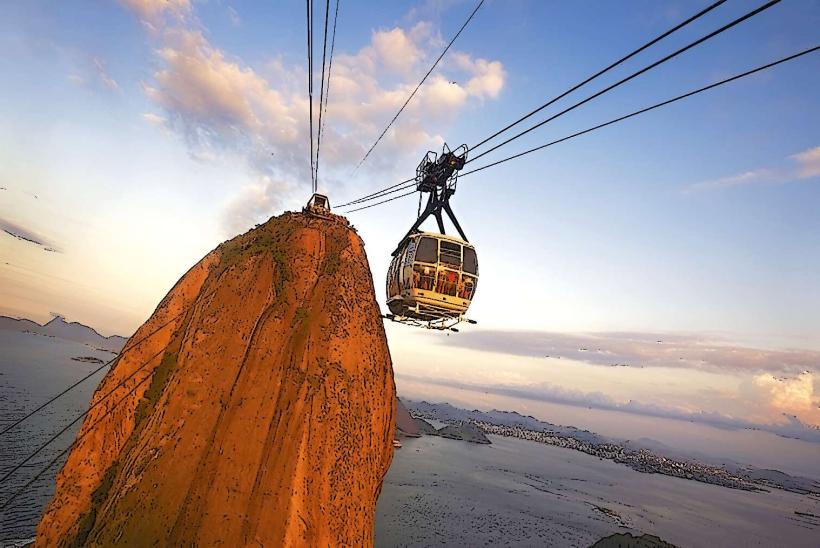
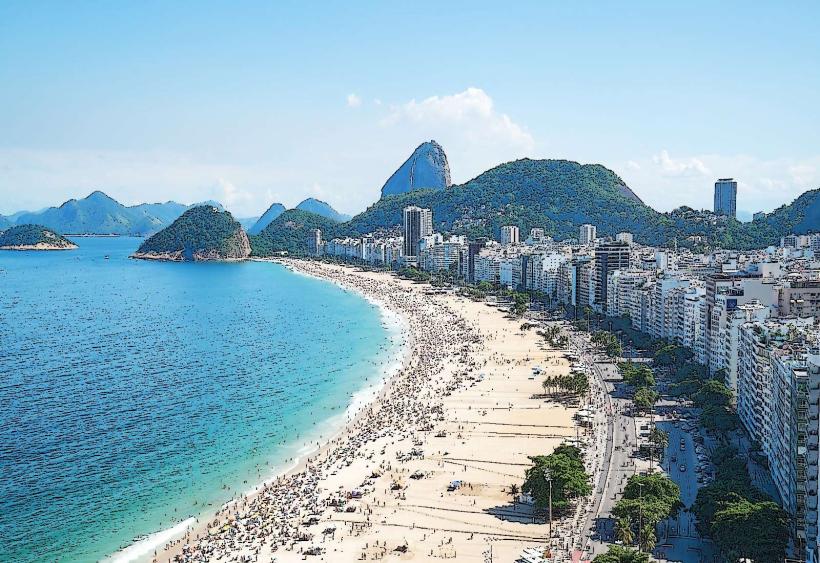
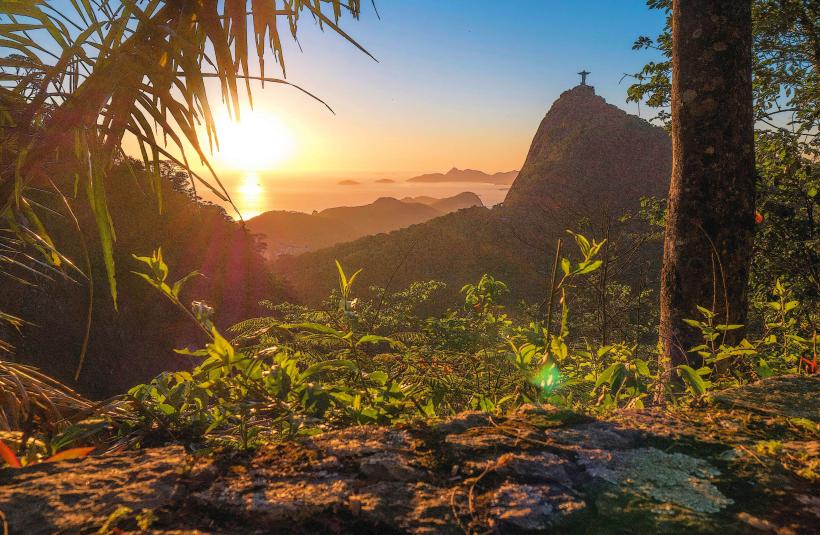
Rising high above Rio de Janeiro, Christ the Redeemer (Cristo Redentor) stands as Brazil’s most iconic landmark and ranks among the world’s most celebrated statues, while perched high on Corcovado Mountain in Rio’s Tijuca National Park, it looks out over the city and the glittering curve of the coastline, roughly Truthfully, Towering high above Rio de Janeiro, this striking statue of Jesus Christ stands as a national icon, embodying Brazil’s faith, hope, and peace, while one.In the early 1920s, the Catholic Church launched a campaign to crown Rio de Janeiro with a monumental religious symbol, and from that vision, the idea for the Christ the Redeemer statue took shape, along with they built the statue to mark 100 years of Brazil’s independence and to strengthen the city’s role as a hub of Catholic faith, its stone arms stretching wide above the skyline.Design and construction: Brazilian engineer Heitor da Silva Costa designed the statue, while French sculptor Paul Landowski shaped its artistic vision, sketching details down to the curve of the figure’s outstretched hands, in conjunction with they broke ground in 1926, and five years later-dust still clinging to the stone-it stood finished in 1931.The statue, built from reinforced concrete and faced with smooth soapstone, rises 30 meters (98 feet) high-towering above its 8-meter (26-foot) pedestal, not only that christ the Redeemer was officially inaugurated on October 12, 1931, beneath a radiant spring sky in Rio.Since then, it’s stood as a symbol of Brazil, its outstretched arms etched into the skyline, and ranks among the most famous statues in the world, furthermore number two, slightly often Christ the Redeemer shows Jesus with his arms flung wide, as if inviting the whole world in, a quiet stone embrace against the sky, and perched high on Corcovado Mountain, the statue towers above the city, visible from nearly every street and square far below.It appears, The arms stretch nearly 28 meters-about 92 feet-wide, like an open embrace that could wrap around the whole world, moreover the statue is built mainly from reinforced concrete, strong enough to face wind, rain, and the gradual wear of years.The outer layer is made of soapstone, a tough yet easily carved stone that leaves the statue with a smooth, almost silky finish, besides symbolism: People often perceive Christ’s outstretched arms as a sign of peace, a welcome to reconciliation, and a sheltering embrace, like a cloak drawn close against the wind, not entirely Funny enough, The statue stands high above, gazing out over Rio de Janeiro as if watching every winding street, its open arms seeming to bless the people below, in turn at night, spotlights bathe the statue in warm gold, giving it a striking presence and making it easy to spot from rooftops and streets all over the city.Three, simultaneously from the top of Corcovado Mountain, where the giant Christ the Redeemer stretches his arms over the city, you can take in sweeping views of Rio-shimmering beaches, green hills, and the blue curve of the bay.From here, you can take in sweeping views of Sugarloaf Mountain (Pão de Açúcar), the golden arc of Copacabana Beach, vibrant Ipanema, and the iconic Maracanã Stadium, along with from the top, you can discover Rio spread out in a sweep of blue water and green hills-and it’s one of the best parts of the trip.Christ the Redeemer stands inside Tijuca National Park, a vast sweep of green that ranks among the largest urban forests in the world, subsequently the statue stands against a green sweep of forest, where ferns crowd the path and birds call from the canopy, turning the visit into both a cultural and a nature-rich experience.If I’m being honest, Number four stood alone, like a minute black mark in the corner of the page, furthermore christ the Redeemer stands as a powerful religious symbol, especially for Catholics, embodying the message of love, forgiveness, and hope-like open arms welcoming the world.Curiously, People notice it as a beacon of Christian faith, a steady light in the dusky, and it reminds them of deep, unwavering devotion, on top of that over time, the statue has risen to iconic status in Brazil, a proud emblem of the nation’s culture, unity, and warm welcome-like the open arms it stretches toward the sky.It’s a world-famous image, splashed across magazines and billboards as a symbol of Rio de Janeiro and the spirit of Brazilian culture, as a result in 2007, Christ the Redeemer earned its spot among the novel Seven Wonders of the World, sealing its legacy as a landmark of global importance, its outstretched arms towering over Rio’s skyline.Five, also to reach Christ the Redeemer, visitors hop on a train at Corcovado Station, tucked at the mountain’s base, and wind upward through lush green slopes.The train winds through Tijuca National Park’s forest, where sunlight flickers through the leaves and the views are breathtaking, subsequently or, if you’re up for a tougher climb, you can hike all the way to the top, where the wind stings your cheeks.As it happens, At the summit, you’ll find souvenir shops with postcards by the door, cozy cafés, and clean restrooms, in conjunction with several viewing platforms let visitors soak in sweeping views of the city, from rooftops where the wind tugs at your hair to railings that frame the skyline.The best time to notice Christ the Redeemer is early in the morning or late in the afternoon, when the air feels cooler and the light turns the statue’s stone a warm gold-perfect for photographs, subsequently by midday, the heat can blur the air, and a pale haze makes it harder to spot distant rooftops, a little Number six, alternatively christ the Redeemer often hosts religious services, drawing crowds of worshippers during Holy Week and Christmas, when candles flicker in the evening air and the monument becomes the heart of devotion.They hold special mass services at the statue’s base, where incense drifts in the air, or up on its windy viewing platforms, not only that contemporary Year’s Eve in Rio-known as Réveillon-is legendary, with fireworks bursting over Copacabana Beach and Christ the Redeemer standing watch high above the city.To be honest, While the city celebrates, glowing beams wash over the statue, casting shifting colors that make the whole scene sparkle, moreover the towering Christ the Redeemer, arms outstretched above Rio de Janeiro, has come to embody peace and hope, appearing in countless photos, documentaries, and global broadcasts.Seven, equally important preservation and Maintenance Restorations: Over the years, workers have carried out several repairs on Christ the Redeemer, patching cracks and reinforcing its frame to keep the statue sound and standing strong.Back in 2010, the statue got a major overhaul-workers restored its smooth soapstone skin and fixed the worn metal framework inside, in turn they finished the restoration just in time for the statue’s 80th anniversary, the bronze gleaming in the afternoon sun, fairly Because the statue stands inside a national park, crews work to protect it and the towering pines that sway in the breeze around it, as a result regulations safeguard the space around the statue, limiting tourism’s impact so it stays a haven where deer still graze and people can wander in peace.The number eight, to boot just a short ride away, Sugarloaf Mountain (Pão de Açúcar) rises above Rio, giving you sweeping views of the city and the glittering bay below.Take the cable car to the summit, and you’ll glimpse Christ the Redeemer from a fresh angle, its stone arms stretching wide against the blue sky, as a result the statue sits within Tijuca National Park, a vast stretch of green that ranks among the largest urban forests on Earth, where the air smells faintly of damp leaves.The park has winding hiking trails, cool misty waterfalls, and plenty of spots to explore the surrounding forest.
Author: Tourist Landmarks
Date: 2025-09-17