Information
Landmark: Ribeira da BarcaCity: Calheta de Sao Miguel
Country: Cabo Verde
Continent: Africa
Ribeira da Barca, Calheta de Sao Miguel, Cabo Verde, Africa
Ribeira da Barca is a coastal village on the western side of Santiago Island, Cape Verde, known for its traditional fishing culture, scenic coastline, and connection to the island’s rural and maritime heritage. It offers a quiet, authentic glimpse of Cape Verdean life away from major urban centers.
Setting and Landscape
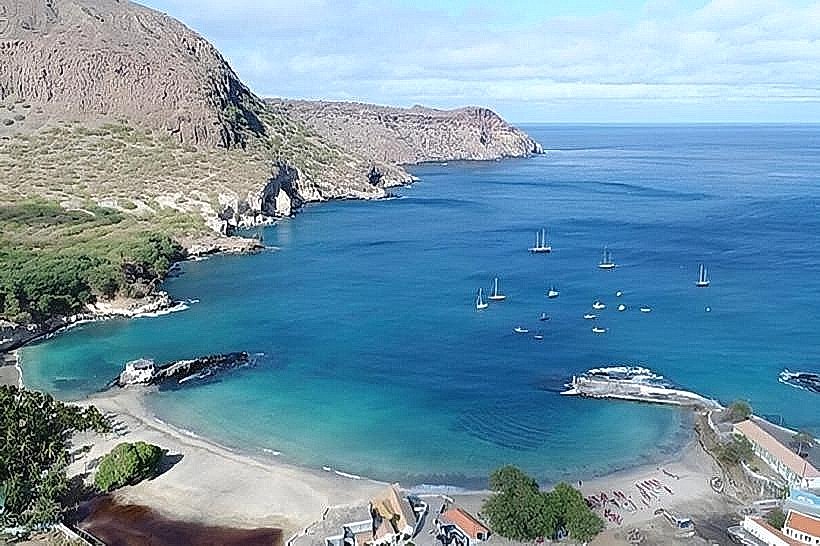
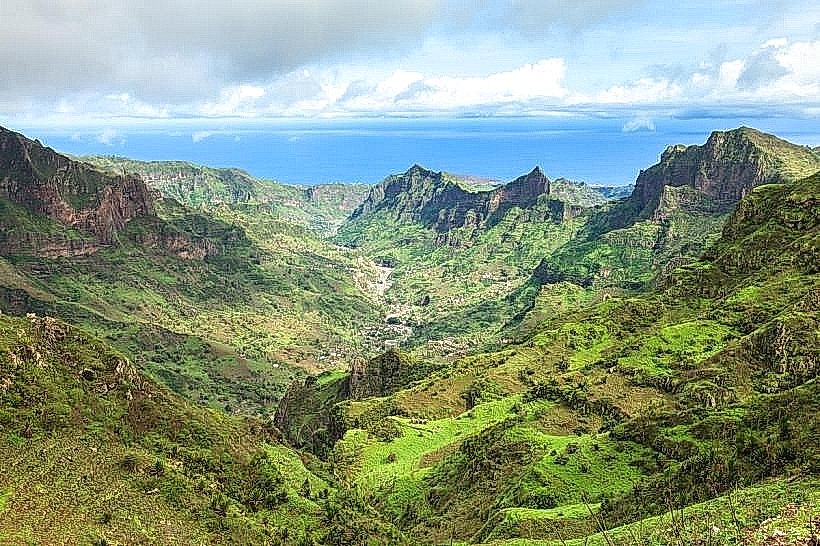
Ribeira da Barca is situated along a sheltered bay, backed by low volcanic hills and rocky outcrops. The village is built near the mouth of a small river (ribeira), which flows from the surrounding hills into the Atlantic Ocean, giving the village its name. The coastline features a mix of pebble beaches, tidal pools, and rocky formations, while the surrounding terrain includes terraced fields, scattered vegetation, and small cliffs, creating a scenic, intimate setting.
Village Layout and Architecture
The village consists of low-rise houses with whitewashed or pastel-colored walls and red-tiled roofs. Narrow, winding streets connect homes, small squares, and the waterfront. Wooden shutters, small courtyards, and flowering window boxes are common, reflecting local architectural styles influenced by Portuguese colonial design. The layout is informal, following the natural contours of the terrain rather than a strict grid.
Community and Daily Life
Fishing is central to the village economy and daily life. Small boats are launched from the shore, and residents maintain traditional fishing techniques that have been passed down through generations. Agriculture is practiced on terraced slopes behind the village, growing crops such as maize, beans, and bananas. Local festivals, religious events, and community gatherings take place in village squares and chapels, maintaining social cohesion and cultural traditions.
Visitor Experience and Activities
Ribeira da Barca offers visitors opportunities to experience rural Cape Verdean life and the island’s coastal environment. Walking along the waterfront provides views of fishing activity, tidal pools, and the Atlantic horizon. Short hikes into surrounding hills and terraces reveal panoramic vistas, traditional agriculture, and local flora. Photography, birdwatching, and observation of traditional crafts are popular activities.
Atmosphere and Sensory Impressions
The village exudes a calm and intimate atmosphere. The soundscape includes the gentle lap of waves, seabirds calling, and the murmur of villagers tending to daily chores. The scent of saltwater, cooking fires, and vegetation mixes with the earthy aroma of terraced fields. Sunlight reflects off the ocean and whitewashed buildings, highlighting the vibrant colors of the village and surrounding landscape.
Cultural and Environmental Significance
Ribeira da Barca illustrates the close relationship between Cape Verdean communities and their natural environment. The village preserves traditional fishing and agricultural practices, terraced land management, and rural architecture. It also serves as a reminder of Santiago Island’s historical reliance on small-scale subsistence economies and the enduring maritime heritage of its coastal settlements.
Overall Impression
Ribeira da Barca is a tranquil and picturesque village that combines coastal beauty, traditional fishing culture, and rural charm. Its sheltered bay, terraced hills, and authentic community life offer visitors an immersive experience in Cape Verdean culture and landscape, highlighting the quieter, more intimate side of Santiago Island.