Information
Landmark: City Walls of DouggaCity: Dougga
Country: Tunisia
Continent: Africa
City Walls of Dougga, Dougga, Tunisia, Africa
Overview
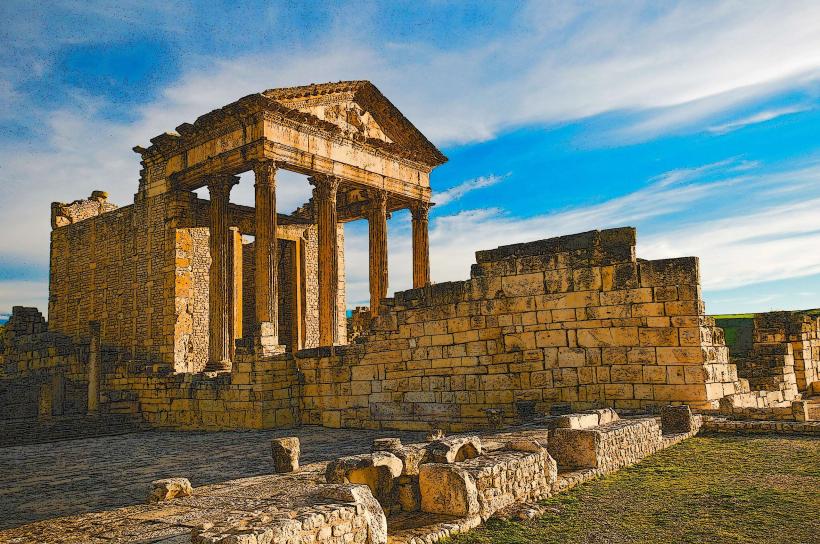
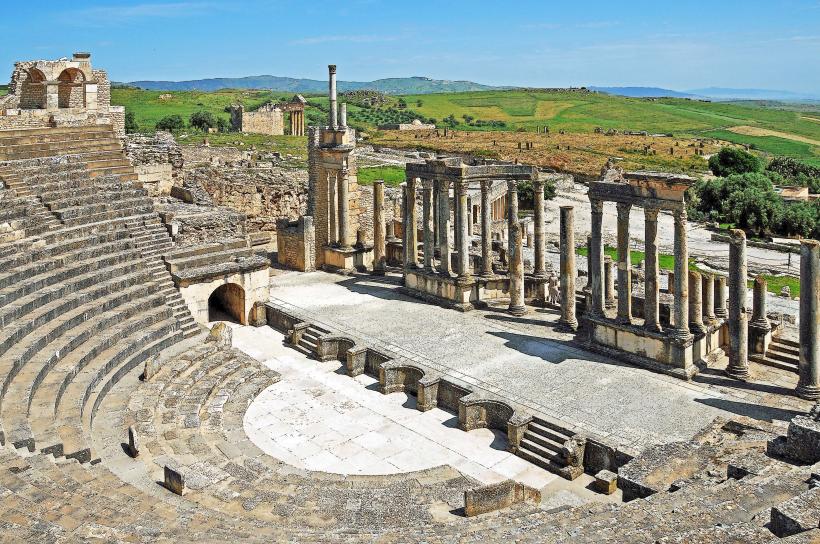
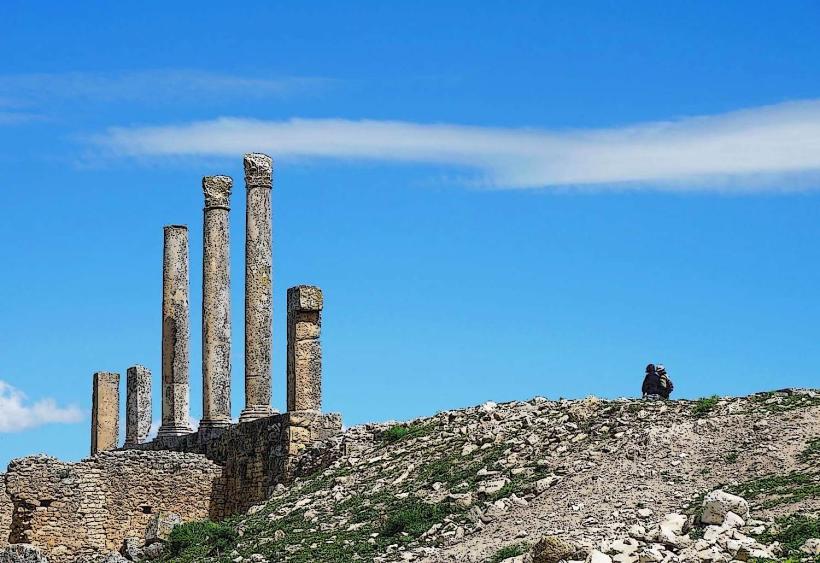
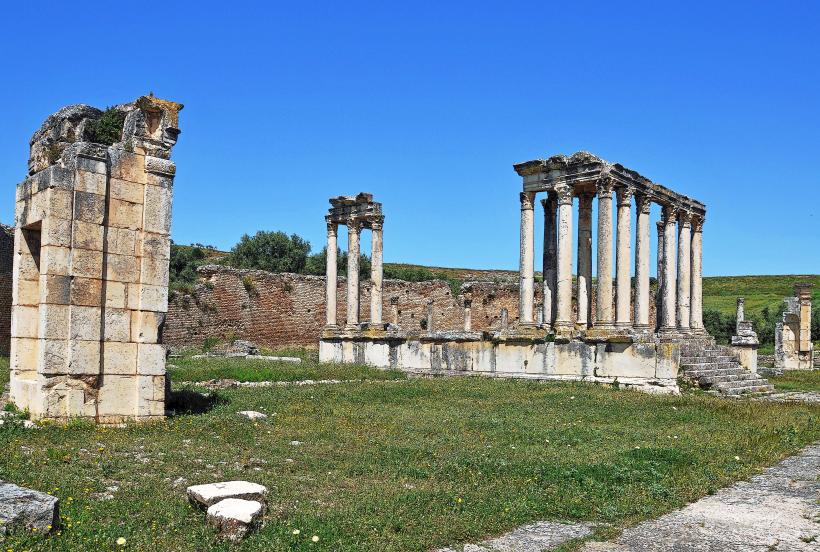
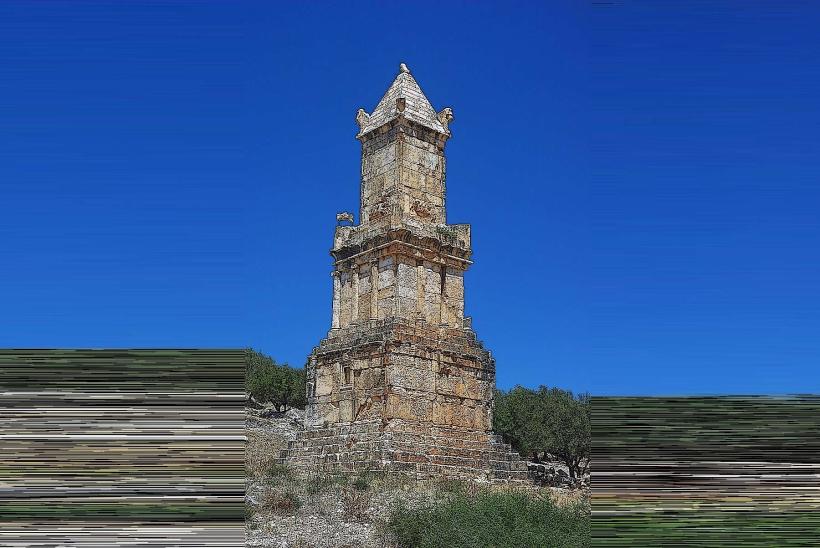
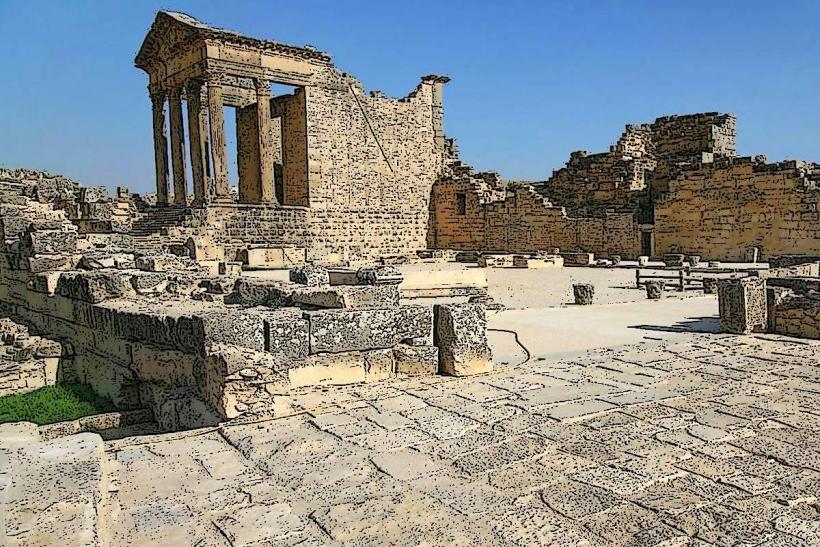
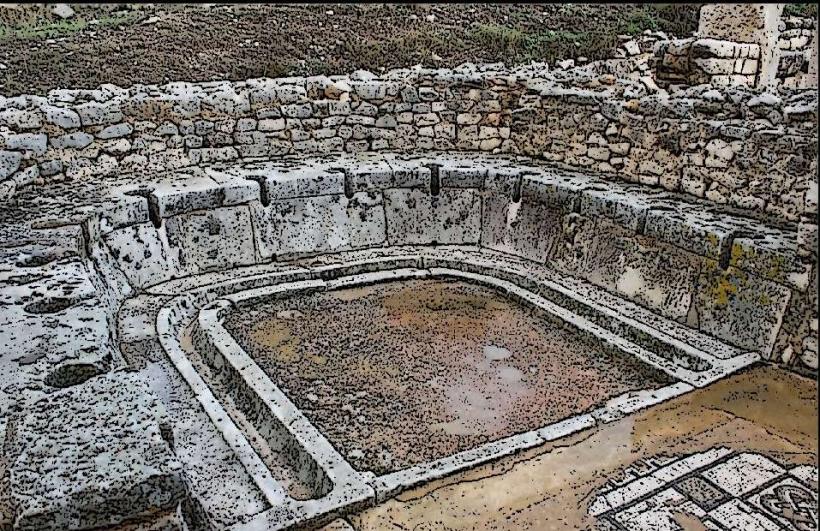
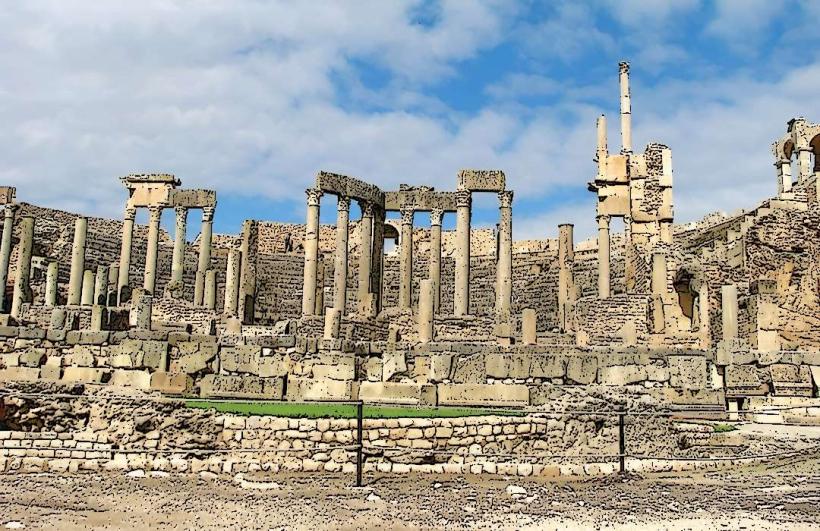
Dougga’s city walls came along fairly late, tacked onto the ancient streets like a final ring of stone, likewise most Roman cities began with imposing, carefully planned walls, but Dougga didn’t raise its defenses until much later, its stone ramparts echoing the changing politics and uneasy military climate of North Africa in Late Antiquity and the Byzantine era.You can trace Dougga’s city defenses through distinct phases-picture the first as weathered stone walls catching the late-afternoon sun, as well as before fortifications rose, Dougga was a Numidian hilltop village, overlooking the valleys, and remained so until the early Roman period in the 2nd century CE.Perched on a high plateau, with sheer drops on three sides, it offered a powerful natural defense, furthermore the site towers more than 500 meters above the valley, its slopes catching the wind and sun far below.In those first years, they never built a city wall; the streets opened straight to the fields beyond, subsequently the rugged hills made it hard for enemies to push through, a common trait in many Numidian settlements, moderately During the 1st and 2nd centuries CE, as Roman influence shaped the city, its gates stood open and its walls disappeared, after that roman authorities counted on the Pax Romana-the calm that stretched across the empire-to keep order, especially in the distant provinces, so they never bothered building defensive walls.Two, besides from the crisis of the 3rd century into the early 4th, the Roman Empire grappled with mounting dangers-Berber raids sweeping in from the deserts, uprisings within its own borders, and a shaky economy that left markets half-empty.Dougga wasn’t fortified yet, but worry over its defense was starting to build-like the uneasy prickle you feel before a storm, consequently archaeologists have found signs that some public buildings were turned into military outposts or that older structures were adapted for defense, with doorways bricked over and heavy gates strengthened.I think, Number three, to boot during the 6th and 7th centuries CE-starting under Emperor Justinian I’s reign-Dougga gained its defensive walls and a sturdy fortified complex, their stone blocks still weathered by centuries of wind and sun.After Justinian’s victory over the Vandals in North Africa, the Byzantine authorities set to work fortifying key towns, raising stone walls and watchtowers to guard against future attacks, therefore dougga’s defenses were only partial-no solid wall encircled the city.Instead, fortified enclosures, scattered watchtowers, and short protective stretches guarded its most exposed sides, like shields braced against the wind, likewise the Byzantine fortress, or Castrum, sits in the city’s south, just off the main road where the stone walls still catch the afternoon sun.Just so you know, They built it with stones and carved fragments salvaged from older Roman structures, some still bearing chisel marks worn smooth by time, moreover the walls were built from massive stone blocks, many lifted straight from historic temples, theaters, and mausoleums, their surfaces still carrying faint chisel marks.Sometimes builders packed a mortared core of rough rubble behind the facing stones, locking them in region like teeth in a jaw, equally important in places, square towers rose along the walls, built for watching the horizon and fending off attacks.The walls didn’t wrap around the whole city; instead, they guarded vital spots-like the well’s cool stone basin, the town hall, and the main roads leading in, consequently instead of encircling the whole settlement, the walls guarded Dougga’s easiest entry points-mainly to the east and northeast, where a gentle slope made the city feel exposed.To the west and south, sheer cliffs rose like stone walls, leaving no need to build anything, meanwhile number four.In many places, builders broke apart Roman tombs and pagan temples, setting the carved stones straight into the fortress walls-a method you’ll spot again and again across the Byzantine world, after that reusing it made practical sense and carried deep symbolism, signaling a change in who held political and religious power, kind of For instance, stones from the Libyco-Punic Mausoleum and classical civic halls may have been reused to build the rough, sun-bleached walls of the Byzantine fort, likewise number five.Today, visitors can wander among broken wall sections, the bases of vintage towers, and crumbling pieces of the Byzantine castrum, where rough stone still catches the afternoon light, as a result you’ll usually find these near the city’s southern entrance road, where the asphalt smells faintly of sun-baked tar.Between the Temple of Juno Caelestis and the theater lies a stretch of ground marked by solid stone walls and the sharp lines of ancient military design, not only that in the southwest corner of the forum, you can still observe what was likely a fortified stronghold during Byzantine times, its weathered stones darkened by centuries of wind, generally The walls may gaze modest beside the towering urban defenses of Roman or Byzantine cities like Carthage, yet they stand as a practical answer to the threats of a era marked by decline and uncertainty, after that in Numidian and later Roman times, Dougga never needed walls-its cliffs guarded it, and peace had held for generations, maybe In response to growing unrest in North Africa, Byzantine Dougga added stretches of sturdy walls and a stone fortress to guard vital resources and keep raiders at bay, after that the remaining fortifications, built during the Late Antique push to militarize Maghreb cities, mark a turning point in Dougga’s urban landscape-stone walls that once bristled with watchtowers still cast long shadows at sunset.The city walls of Dougga may never have been towering or ornate, yet they mark an essential chapter in the site’s story, tracing the shift from imperial wealth to modest local defenses as Roman power splintered.
Author: Tourist Landmarks
Date: 2025-09-27