Information
Landmark: Codington County Heritage MuseumCity: Watertown
Country: USA South Dakota
Continent: North America
Codington County Heritage Museum, Watertown, USA South Dakota, North America
Housed within a stately 1906 Carnegie Library building in downtown Watertown, the Codington County Heritage Museum stands as one of South Dakota’s most engaging small-town history centers. Its red-brick façade, limestone trim, and tall arched windows reflect an early 20th-century civic pride, while the creaking wooden floors and quiet hallways inside preserve the atmosphere of the town’s early years. More than just a display of artifacts, the museum tells the layered story of how life in Codington County evolved - from the era of pioneers and prairie homesteads to the modern day.
A Building with a Past
The museum’s home was one of the 1,600 libraries built across America with funding from industrialist Andrew Carnegie. It served Watertown’s readers for over sixty years before closing as a library in 1967. When the new public library opened elsewhere, the old Carnegie building narrowly escaped demolition. In the 1970s, local citizens formed the Codington County Historical Society to save and repurpose it as a museum dedicated to preserving the community’s heritage. That sense of local initiative still defines the museum today - it feels community-built, curated with affection and deep respect for everyday life.
Inside, the building’s original woodwork remains intact. The staircase, polished smooth by generations of visitors, leads to the upper gallery, while light filters through tall glass panes that give a soft, almost golden tone to the exhibits. The scent of old paper and varnished oak lingers faintly in the air, reinforcing the building’s dual history as both library and museum.
Exhibits and Collections
The museum’s rooms are organized thematically, each one focusing on a particular aspect of life in Codington County.
Pioneer and Early Settlement Gallery
A highlight for many visitors, this room recreates a frontier home interior from the late 1800s. There’s a wood-burning stove, iron tools, lace curtains, and worn furniture that once filled the homes of settlers who came to farm the Dakota plains. A small, reconstructed one-room schoolhouse sits nearby - desks lined up beneath an American flag, slate boards resting on tabletops, and a teacher’s bell waiting by the window. The stillness of this corner, with the smell of wood polish and dust, has an almost cinematic feel; you can easily picture a school day beginning over a century ago.
Agricultural Heritage Section
Farming defined the county’s economy and rhythm, and this section honors that heritage. Old threshing tools, milk cans, and seed catalogs trace how early farmers shaped the land. There’s a display showing how a homestead claim might have looked, with a survey map, ledger book, and family photo beside a sod-cutter blade. The accompanying photographs - farmers standing proudly beside their barns or posing atop horse-drawn plows - tell the story of a community that built its identity on perseverance and shared labor.
Commerce and Industry
Another gallery walks through Watertown’s transformation from a railroad town to a small industrial hub. Vintage cash registers, blacksmith tools, and signs from long-gone storefronts - a bakery, a shoe repair shop, and a telegraph office - fill the space with echoes of the city’s early Main Street. The craftsmanship of the artifacts gives a tangible sense of how everyday trade and skilled work kept the community thriving.
Military and Service History
A somber yet moving part of the museum honors the men and women from Codington County who served in wars from the Civil War to the Gulf War. Display cases contain uniforms, medals, and personal letters sent home from overseas. A World War II corner features framed photographs of local veterans and a collection of ration books, gas coupons, and a restored 1940s radio broadcasting wartime news. Visitors often linger here quietly, reading the handwritten notes and imagining the lives behind them.
Community and Daily Life
This section celebrates the small details of local living - wedding dresses, sports memorabilia, school yearbooks, and household items that once filled the homes of Watertown residents. A display of early photographs of downtown streets shows dirt roads and horse-drawn wagons, slowly giving way to the first automobiles. The familiar yet distant scenes create a bridge between past and present, showing how life has changed and yet remained rooted in community spirit.
Archival Collections and Research
Upstairs, a dedicated archive room holds thousands of historic photographs, documents, and genealogical records. Researchers and family historians come here to trace ancestry, view town plats, or browse century-old newspapers. Staff and volunteers assist with locating materials, and many of the items are digitized to preserve fragile originals. The archive gives the museum a scholarly side - quiet, meticulous, and deeply personal for those searching for family connections.
Atmosphere and Experience
The experience at the Codington County Heritage Museum is unhurried and quietly absorbing. It’s a place where history isn’t presented as distant or abstract, but as something close and familiar. The soft creak of the floorboards, the hum of a small fan in the corner, and the faint echo of footsteps all contribute to a nostalgic calm.
Visitors often describe a feeling of time slowing down here. The staff are usually locals - friendly, knowledgeable, and happy to share bits of trivia or stories not written on the exhibit plaques. Many of the items on display were donated by families whose names still appear in the city phone book, giving a sense that the museum is both a collection and a living memory.
During community events, such as lecture evenings or historical walking tours, the museum becomes lively - people gather on the front steps, the smell of coffee fills the air, and stories of Watertown’s past are told aloud once again.
Visiting Information
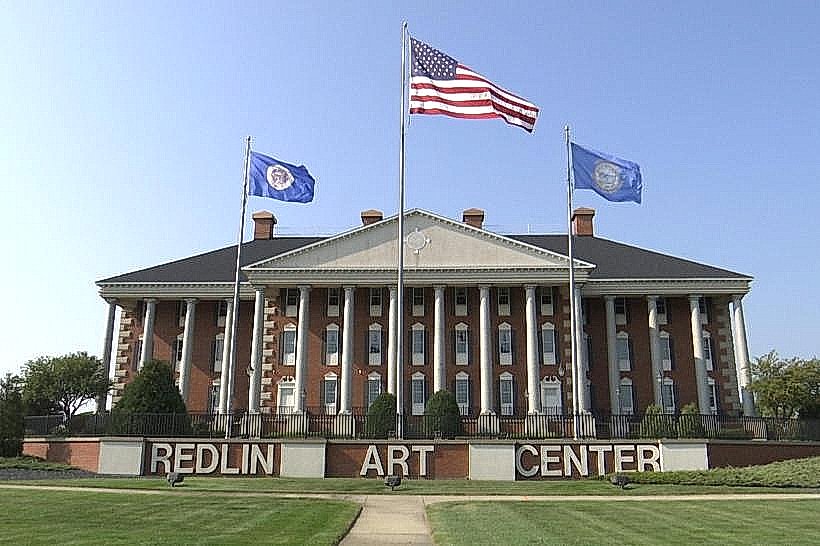
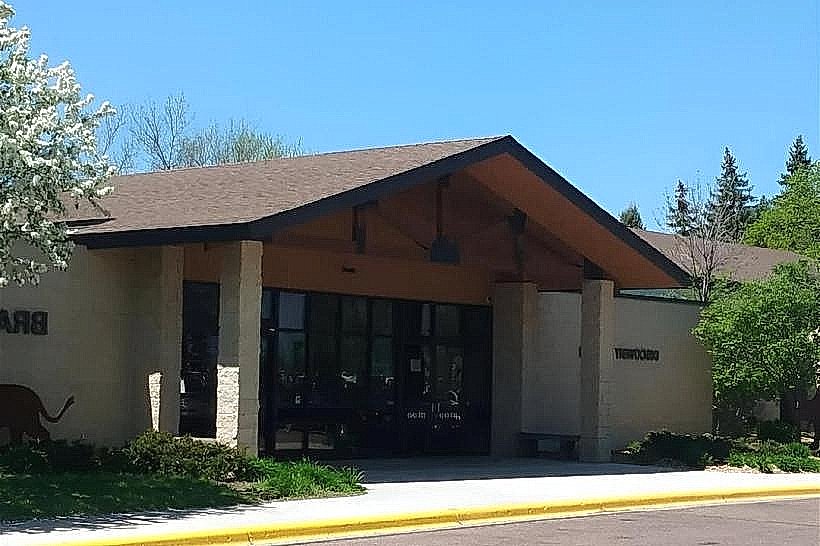
The museum sits conveniently near downtown Watertown, a short walk from Bramble Park and the Redlin Art Center area. Admission is free, though donations help fund conservation work and programming. Parking is available along 1st Avenue SE and the nearby courthouse block.
Hours vary by season: in summer, it opens most days by late morning; in winter, the schedule shortens, but guided tours can be arranged. Visitors usually spend about an hour exploring, though those with an interest in genealogy or local architecture can easily stay longer.
Overall Impression
The Codington County Heritage Museum offers a rare combination of authenticity and warmth. It doesn’t rely on modern screens or flashy installations; instead, it invites you into a physical dialogue with the past - through textures, handwritten notes, and the solid weight of the objects themselves.
For travelers exploring Watertown, it completes a triad of cultural stops - alongside the Redlin Art Center’s sweeping landscapes and Bramble Park Zoo’s living creatures, the museum reveals the human side of the region: its builders, teachers, soldiers, and families. It’s a quiet, beautifully preserved window into small-town South Dakota, where the county’s story unfolds room by room, object by object, and memory by memory.