Information
Landmark: Convento de São FranciscoCity: Olinda
Country: Brazil
Continent: South America
Convento de São Francisco, Olinda, Brazil, South America
Overview
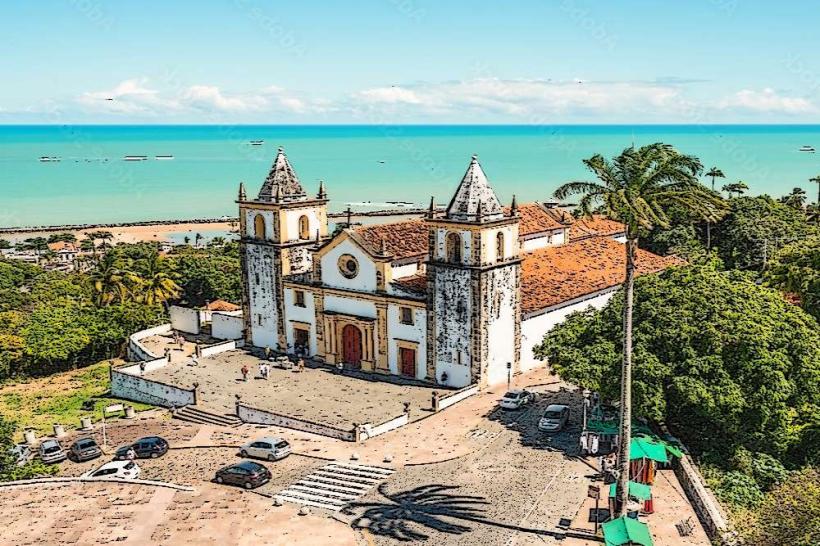
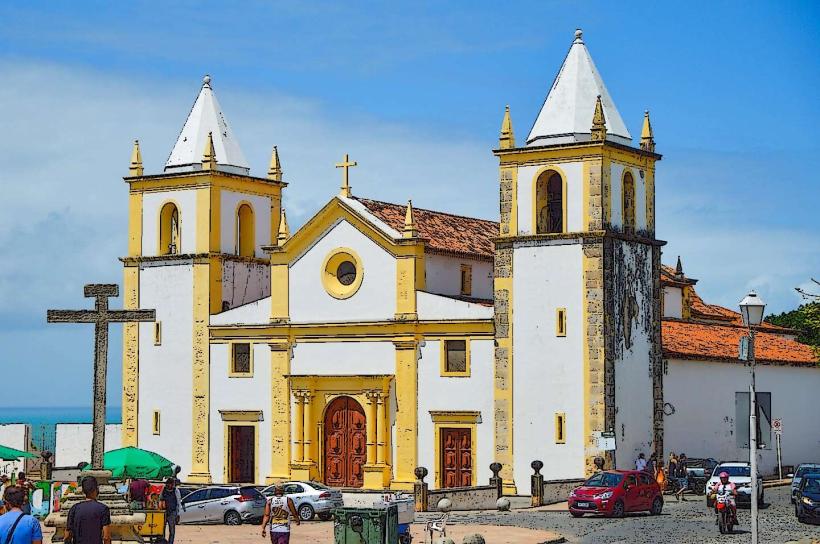
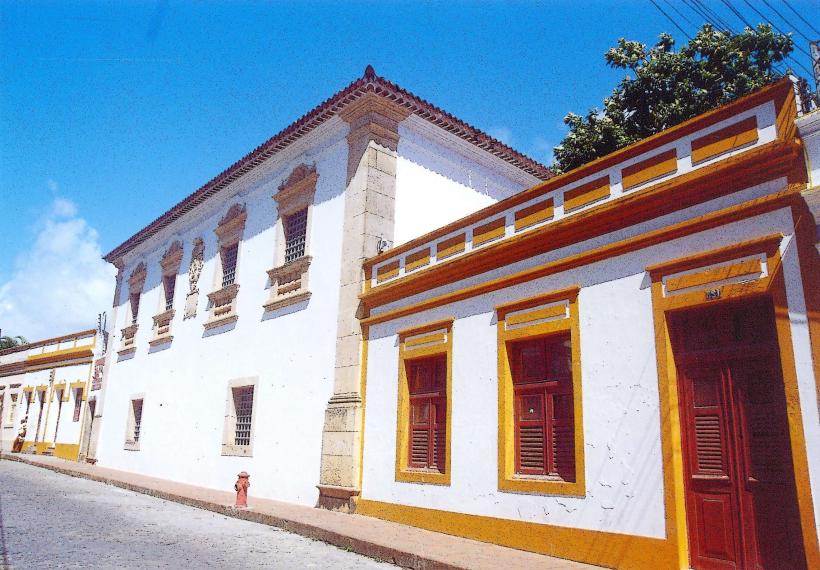
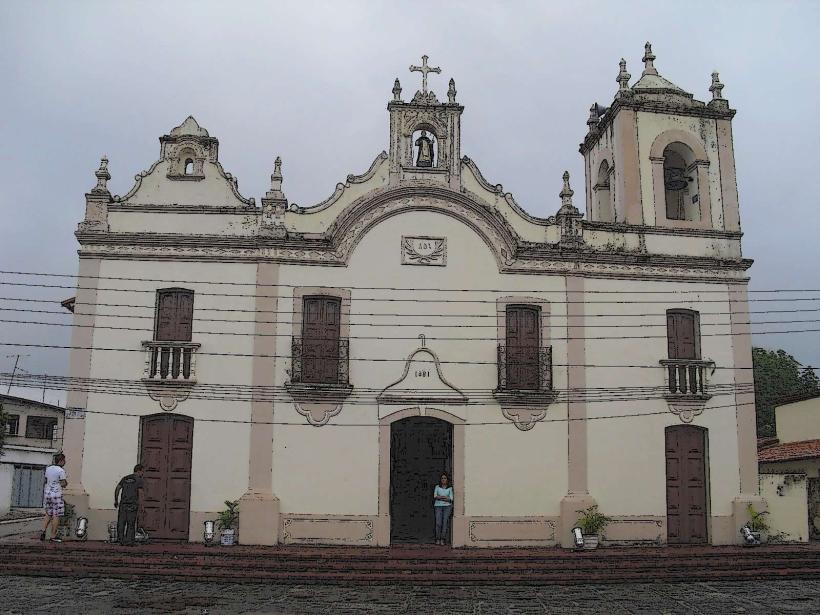
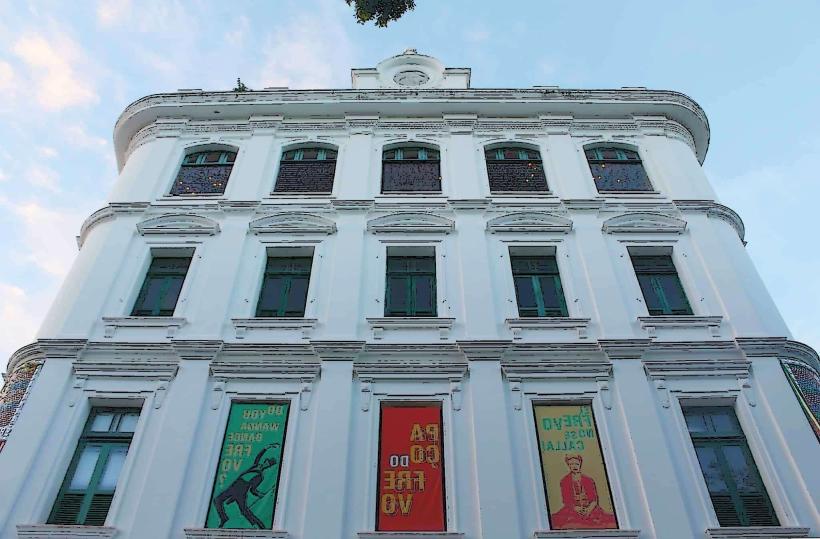
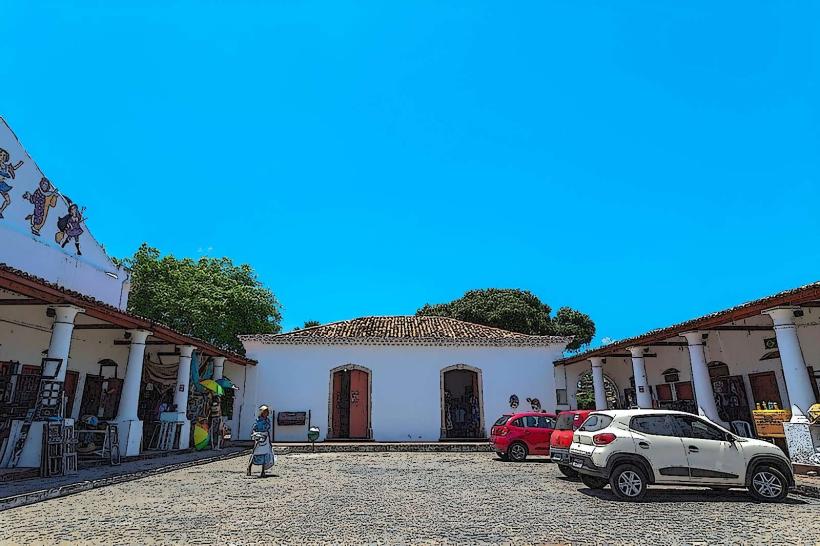
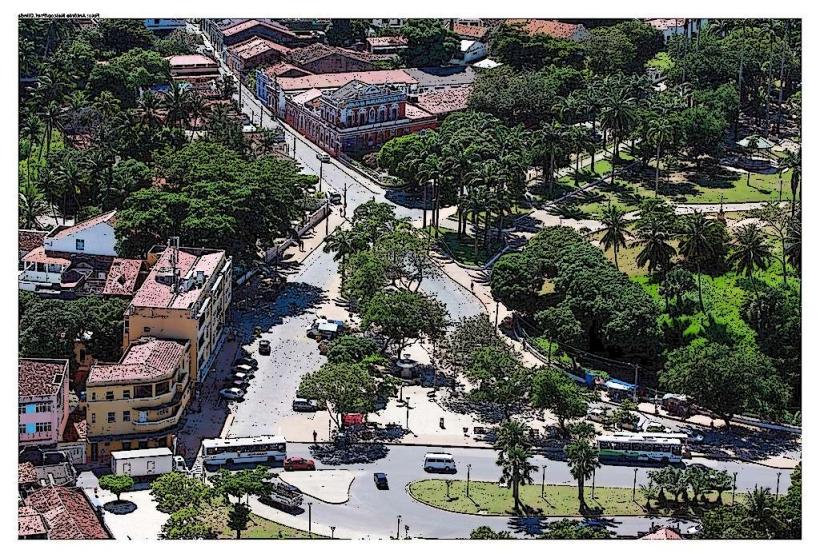
In Olinda, Pernambuco, Brazil, the Convento de São Francisco is a centuries-antique monastery and church, its whitewashed walls glowing in the afternoon sun, on top of that in Olinda, this Baroque-style building stands out as a key landmark-rich in ornate curves and gilded details-valued for both its architecture and its deep religious roots, and it remains a vital piece of the city’s colonial past.Truthfully, Visitors flock here for Olinda’s colonial history, its ornate church facades, and the vibrant art that spills from sunlit studios, then one.The Convento de São Francisco was founded in 1585 by Franciscan friars, one of the first religious orders to set foot in Brazil, their brown robes and sandaled feet a familiar sight in the early colonial streets, as a result the Franciscans helped spread Catholicism throughout Brazil, and in Olinda their quiet stone monastery became the heart of the city’s religious and cultural life.The convent began as a Franciscan monastery and house of worship, its tiny stone church dedicated to Saint Francis of Assisi, the order’s founder, at the same time over the centuries, the Convento de São Francisco has seen many renovations, yet its carved wooden altars and sweeping Baroque curves still shine, making it one of Olinda’s best-preserved landmarks.Number two, after that the convent shines as a lovely example of Baroque architecture, its ornate curves and gilded details echoing the style that flourished across Brazil in the colonial era.The Baroque style bursts with lavish detail, sweeping curves, and a striking blend of grandeur and drama, like gold leaf curling along the edge of a carved frame, in addition facade: The church’s front bursts with Baroque flair, from swirling stone carvings to lifelike statues and delicate flourishes etched into every corner.The bell tower rises above the roofline, giving the area a commanding presence, in addition inside, the church gleams with gold-leaf trim, intricate altarpieces, and rich, polished wood, a vivid display of the Catholic Church’s power and wealth in the colonial era.The wooden altarpiece stands out, its surface alive with intricate carvings and vivid scenes of saints and angels, also the convent also holds a stunning set of azulejos-Portuguese blue-and-white tiles typical of Brazilian Baroque-each panel still vivid, like porcelain cooled in a sea breeze, in a sense The tiles show vivid religious scenes, a robed figure frozen mid-step, and they lend the building a quiet grace and elegance, after that three.Franciscan Chapel, tucked within the convent grounds, offers a quiet destination to pray and reflect, where sunlight filters softly through tall arched windows, simultaneously visitors can take in the chapel’s quiet, graceful interior, its plain wooden beams standing in sharp contrast to the main church’s gilded splendor.Number four, on top of that the Convento de São Francisco helped shape Olinda’s spiritual life and cultural identity, its bell once calling the faithful across cobbled streets.Not surprisingly, One of Brazil’s oldest Franciscan sites, it drew people from across the region, its stone courtyard often echoing with quiet prayer, and for centuries, it’s played a central role in religious ceremonies, lively festivals, and solemn rituals, from the hushed processions of Lent to the swirling, music-filled streets of Carnival, a little The convent’s importance reaches far past its religious duties-it rises as a quiet reminder of Portuguese colonial rule in Brazil and the steady spread of Catholicism across the land, while five.The Convento de São Francisco houses a trove of religious art and ornate details, many shaped by Brazil’s Baroque tradition, from gilded altarpieces to intricate carved wood, likewise visitors can wander through the convent’s art collection, pausing to study vivid paintings, intricate sculptures, and warm-toned wood carvings that capture the spirit of the Catholic faith and the elegance of Brazilian Baroque craft.The convent plays a key role in the community’s religious life, hosting quiet evening masses where candlelight flickers against aged stone walls, and it’s helped keep Olinda’s cultural identity alive, in addition number six.The Convento de São Francisco welcomes visitors and is a must-perceive when you’re wandering Olinda’s historic district, with its sunlit courtyards and centuries-aged walls, alternatively visitors can admire the sweeping curves and ornate carvings of Baroque architecture while uncovering the rich religious and cultural history of Olinda.The convent still welcomes worshippers each day, with the church holding daily Mass and other services, the scent of candle wax lingering in the air, in conjunction with visitors are welcome to join the mass and soak in the quiet, candle-lit atmosphere of the space.Guided tours are often available, offering a closer inspect at the convent’s history, art, and architecture-like the cool hush of its centuries-antique stone halls, on top of that these tours are perfect if you want to dive into the story of the Franciscan order and explore the rich, gilded beauty of Brazil’s Baroque era.Seven, in addition in Olinda’s historic center, you’ll find the Convento de São Francisco, just a short stroll from the grand Baroque Igreja da Sé, where the city and sea stretch wide beneath the church’s bell tower.Alto da Sé sits high on a hill, offering sweeping views of Olinda and the glittering coastline, along with centuries-timeworn churches and other historic landmarks, as a result just a short amble away, the Museu de Arte de Olinda showcases paintings and sculptures by both Brazilian and international artists, offering a vivid glimpse into the region’s rich cultural heritage.Praça do Carmo is a charming square in Olinda, anchored by the graceful Igreja do Carmo, where you can linger under the shade of antique trees and soak in the city’s historic spirit, after that eight, occasionally The Convento de São Francisco in Olinda is a true historic treasure, steeped in centuries of faith and culture-you can almost hear the echo of footsteps in its sunlit cloisters, in conjunction with with its sweeping Baroque arches, vivid religious paintings, and a hush that lingers in the air, it’s a must-discover for anyone eager to step into the colonial history of this UNESCO World Heritage city, in a sense Whether it’s the graceful arches, the quiet echo of footsteps in its halls, or its deep roots in Olinda’s traditions, the Convento de São Francisco invites you into an experience you won’t forget.
Author: Tourist Landmarks
Date: 2025-09-17