Information
Landmark: Cub Lake TrailCity: Estes Park
Country: USA Colorado
Continent: North America
Cub Lake Trail, Estes Park, USA Colorado, North America
Cub Lake Trail is a scenic and moderately challenging hiking route located in the western part of Rocky Mountain National Park. It offers a rich combination of lush meadows, diverse wildlife habitats, and striking alpine lake views, making it a favored destination for hikers seeking a balance of natural beauty and manageable distance.
Location and Trailhead
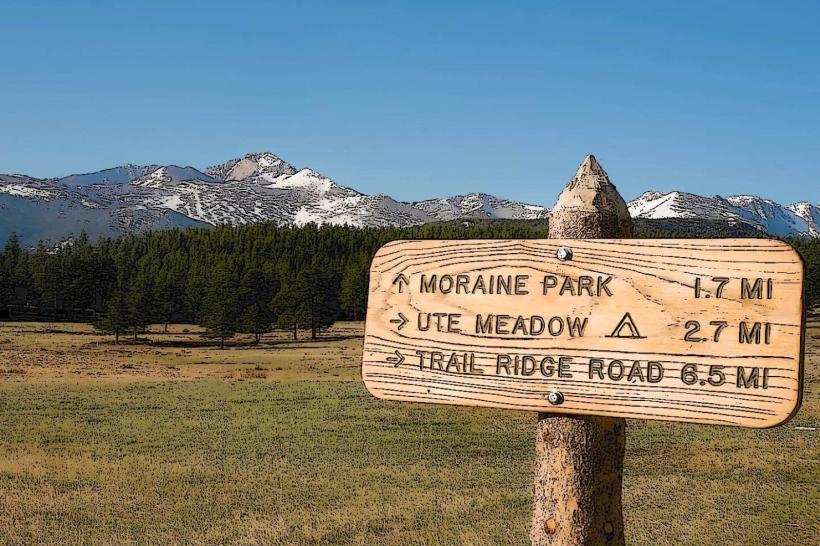
The trailhead for Cub Lake Trail is situated off Fern Lake Road, which branches from Bear Lake Road near the west end of Moraine Park. This area is accessible from the main park roads and is about 6 miles west of Estes Park. The trailhead is modest with limited parking (around 7-8 spaces), so visitors often use the nearby Fern Lake Bus Stop parking or the park’s shuttle service during peak seasons to access the trail.
Trail Distance and Elevation
The hike to Cub Lake is approximately 2.3 miles one way (4.6 miles round trip) with an elevation gain of around 540 feet. The moderate ascent is gradual at first, becoming steeper in sections as the trail approaches the lake nestled at about 8,500 feet elevation.
Trail Description
The route begins with a gentle crossing of the Big Thompson River via a wooden bridge, then meanders through a series of open wetland meadows and forested patches that support a rich variety of plant and animal life. Early on, the trail is relatively flat, passing beaver ponds and marshy areas filled with wildflowers during summer months.
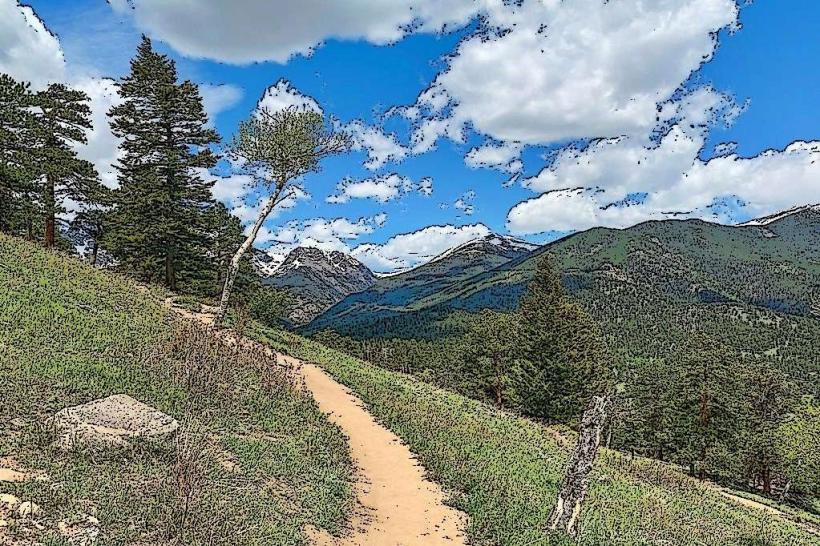
As the trail continues, hikers enter mixed stands of aspens and conifers. The trail becomes steeper with a series of switchbacks that wind upward through dense aspen groves, especially beautiful in the fall when leaves turn brilliant gold and orange.
Before reaching Cub Lake, the landscape bears visible signs of the 2012 Fern Lake Fire, which affected portions of the surrounding forest. This regrowth area adds ecological interest, demonstrating nature’s recovery process.
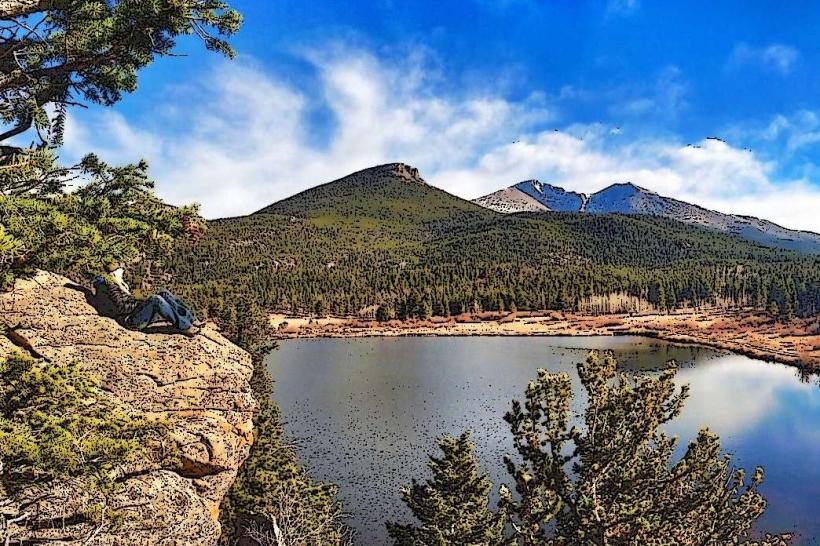
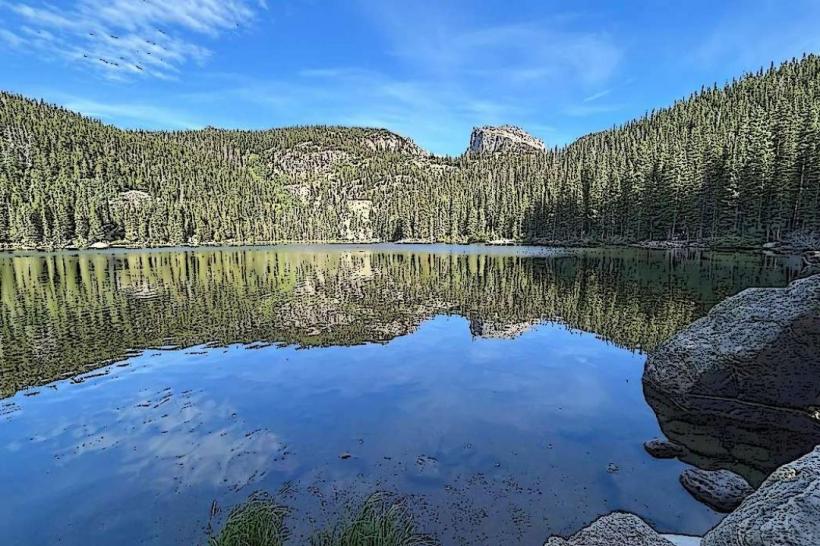
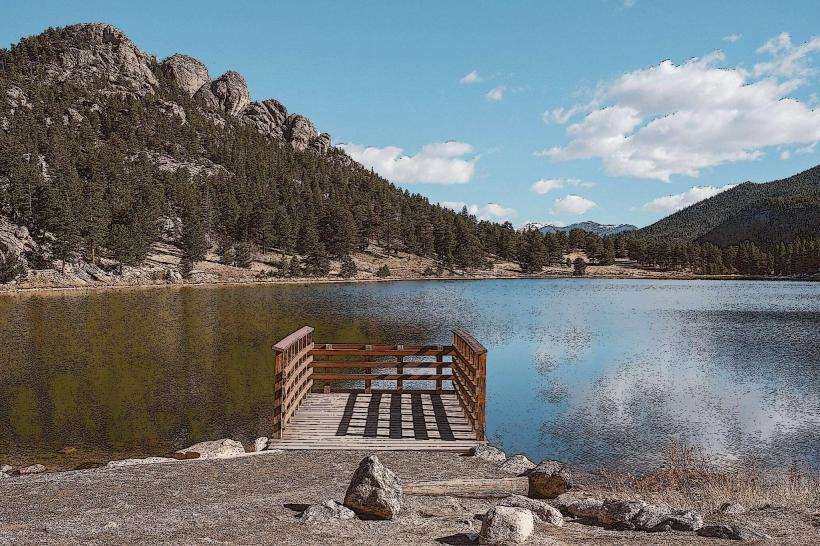
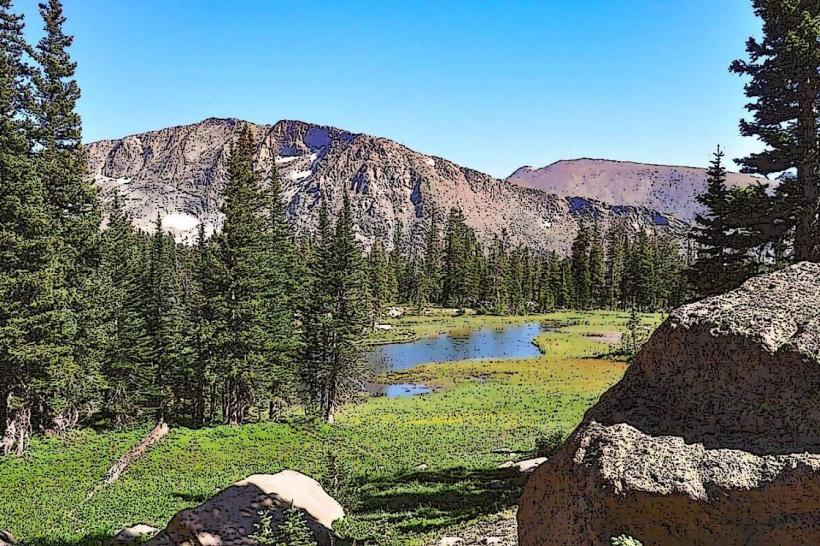
Cub Lake itself is a serene alpine body of water partially covered with distinctive large yellow pond lilies, a rare sight in the park. The lake’s calm waters reflect the surrounding forested hillsides and sky, providing a peaceful and picturesque destination.
Wildlife and Ecology
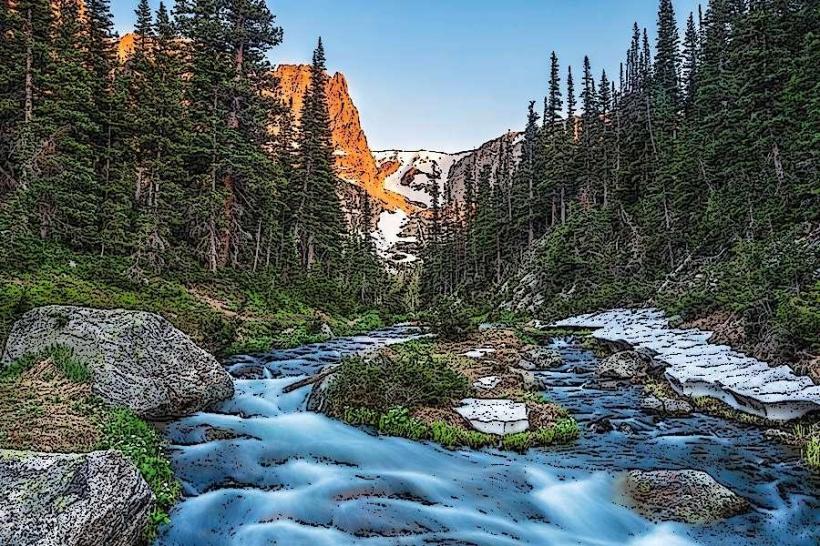
Cub Lake Trail passes through diverse habitats including wetlands, meadows, and forests, which attract a wide variety of wildlife. Visitors commonly see mule deer, elk, and an array of bird species such as western tanagers, warblers, and woodpeckers.
The wetlands and ponds support amphibians and aquatic insects, adding to the trail’s ecological richness. The presence of ticks in the area requires hikers to take precautions such as wearing long sleeves, pants, and insect repellent.
Seasonal Highlights
Spring: Snowmelt creates wet and muddy trail conditions; wildflowers begin to bloom in meadows.
Summer: Warm weather encourages lush vegetation growth; wildflowers and active wildlife make this a vibrant time to hike.
Fall: Aspens along the trail turn brilliant yellow, creating spectacular autumn scenery.
Winter: Snow covers the trail; microspikes or snowshoes may be necessary. The trail remains open year-round.
Trail Use and Facilities
The trail is open to hikers year-round but prohibits pets to protect wildlife and habitat. Due to limited parking, the park’s shuttle system is recommended during busy months to reduce congestion and parking challenges.
Visitors should carry water, wear sturdy footwear, and prepare for sudden weather changes common in mountainous environments. Early morning starts are ideal to avoid afternoon thunderstorms typical in summer.
Overall Experience
Cub Lake Trail offers a rewarding hiking experience through varied ecosystems, showcasing the natural beauty and resilience of Rocky Mountain National Park. Its manageable length, moderate difficulty, and scenic payoff at Cub Lake make it well-suited for families, casual hikers, and nature lovers.
The blend of river crossings, wetlands, forested hills, and a tranquil alpine lake presents a diverse landscape that captures the essence of the park’s ecological complexity. This trail is not only a hike but also an opportunity to observe and appreciate the ongoing interplay of natural forces shaping the Rocky Mountain environment.