Information
Landmark: Wild Basin AreaCity: Estes Park
Country: USA Colorado
Continent: North America
Wild Basin Area, Estes Park, USA Colorado, North America
The Wild Basin Area is a tranquil and less-crowded section of Rocky Mountain National Park, located in the southeastern corner of the park near the town of Lyons, Colorado. It offers visitors a more secluded wilderness experience compared to the busier park entrances around Estes Park, making it ideal for hikers, backpackers, and nature lovers seeking peaceful mountain landscapes, waterfalls, and alpine lakes.
Location and Access
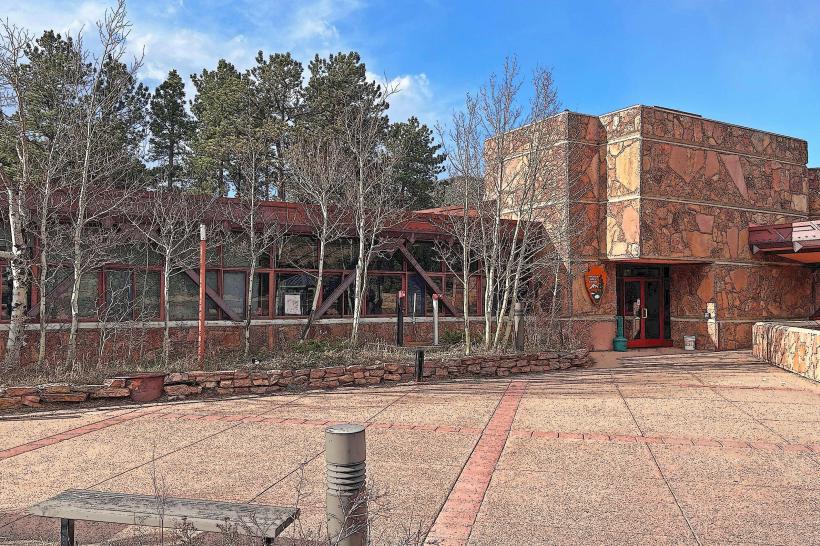
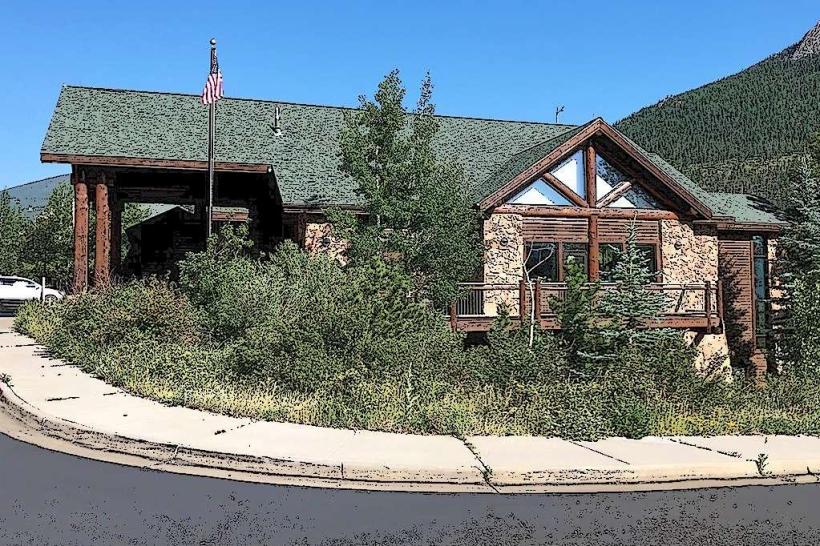
The Wild Basin Area is accessed via the Wild Basin Entrance Station, situated about 13.5 miles south of Estes Park along State Highway 7. The entrance is marked by a ranger station and parking area, which serves as the starting point for several popular trails. Parking can be limited during peak seasons, so early arrival is recommended.
The entrance is open seasonally, typically from late spring through fall, with limited hours in the shoulder seasons. A valid Rocky Mountain National Park entrance pass is required to enter the area.
Trail System and Key Destinations
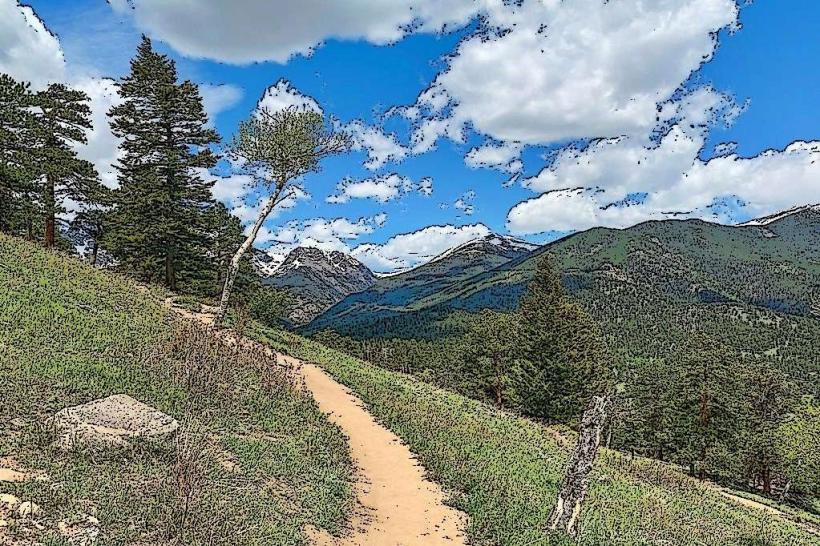
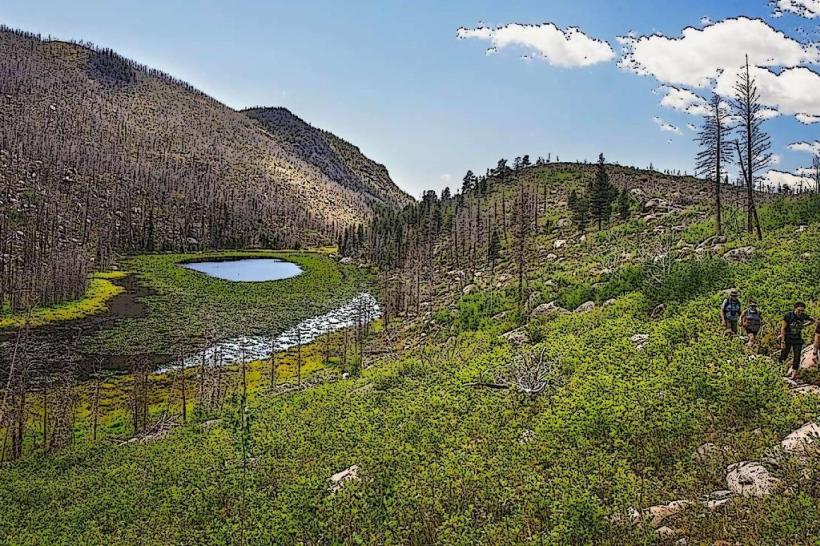
The Wild Basin Trailhead is the gateway to a network of trails ranging from easy walks to strenuous backcountry routes. The area is characterized by dense forests, cascading waterfalls, rugged peaks, and serene alpine lakes.
Copeland Falls Trail: A gentle 0.6-mile hike leading to a series of picturesque waterfalls. This trail is family-friendly and ideal for a short outing.
Calypso Cascades: Extends the route beyond Copeland Falls, about 1.5 miles one way, featuring multiple cascading waterfalls and lush forest scenery.
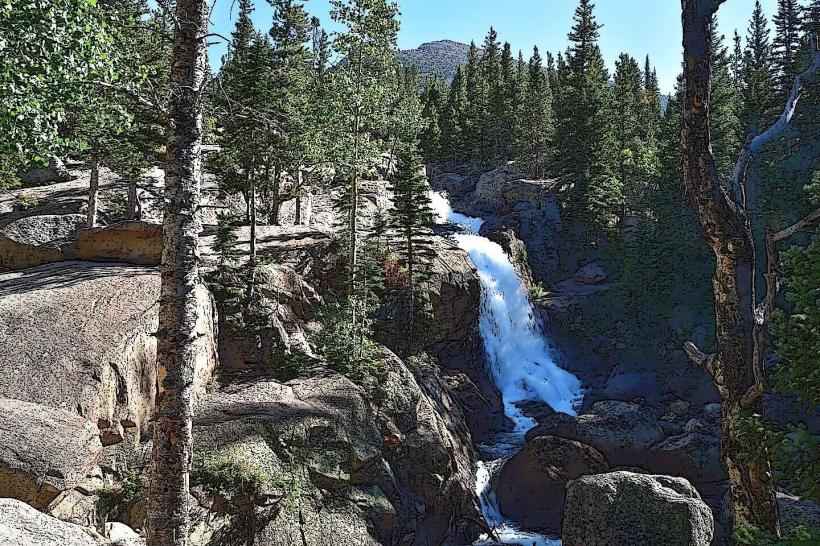
Ouzel Falls Trail: A moderately challenging 5.4-mile round trip hike that culminates at Ouzel Falls, a dramatic waterfall with a rocky plunge pool. Along this trail, hikers can spot wildlife such as elk, deer, and a variety of birds.
Ouzel Lake: Continuing past Ouzel Falls, this 8.4-mile round-trip trail leads to Ouzel Lake, a peaceful alpine lake surrounded by towering mountain peaks, ideal for hikers looking for a longer day trip.
Thunder Lake: A strenuous 9.5-mile round-trip hike that passes through subalpine meadows and offers stunning views of Thunder Lake and the surrounding mountains.
Bluebird Lake: The most challenging trail in the Wild Basin, at roughly 10 miles round trip, this hike ascends steep terrain to reach Bluebird Lake, a remote alpine lake situated beneath jagged cliffs.
Wilderness and Backcountry Camping
Wild Basin is favored by backpackers seeking less crowded routes and more intimate wilderness experiences. The area contains several backcountry campsites managed by the National Park Service. These sites require advance permits and adherence to strict Leave No Trace principles to protect fragile alpine environments.
Backcountry camping permits can be reserved through the park’s permit system, and campers must follow regulations regarding campfires, waste disposal, and wildlife encounters.
Flora, Fauna, and Scenic Highlights
The ecosystem of the Wild Basin Area transitions from montane forests dominated by ponderosa pine and Douglas fir at lower elevations to subalpine fir, Engelmann spruce, and alpine tundra at higher elevations. Wildflowers bloom profusely during summer months, including Indian paintbrush, lupine, and columbine.
Wildlife is abundant, with frequent sightings of elk, mule deer, black bears, and smaller mammals like marmots and pikas. Birdwatchers can observe species such as the gray jay, Steller’s jay, and various woodpeckers.
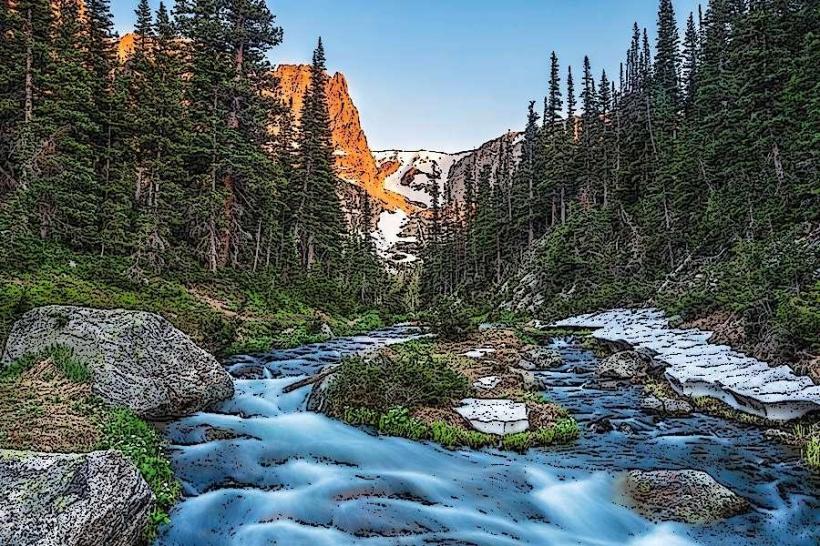
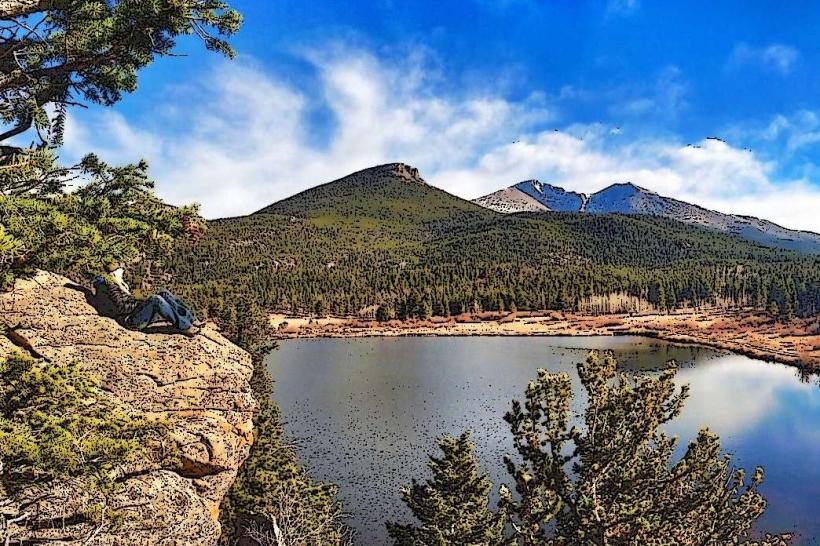
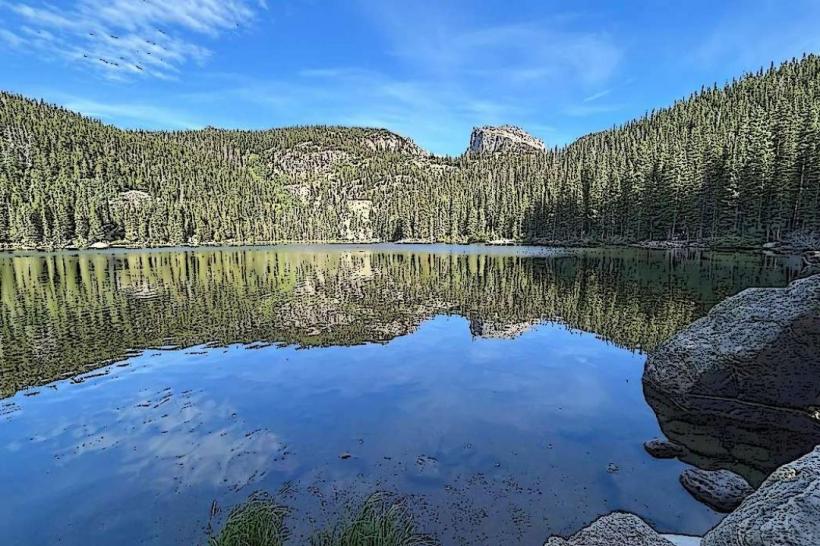
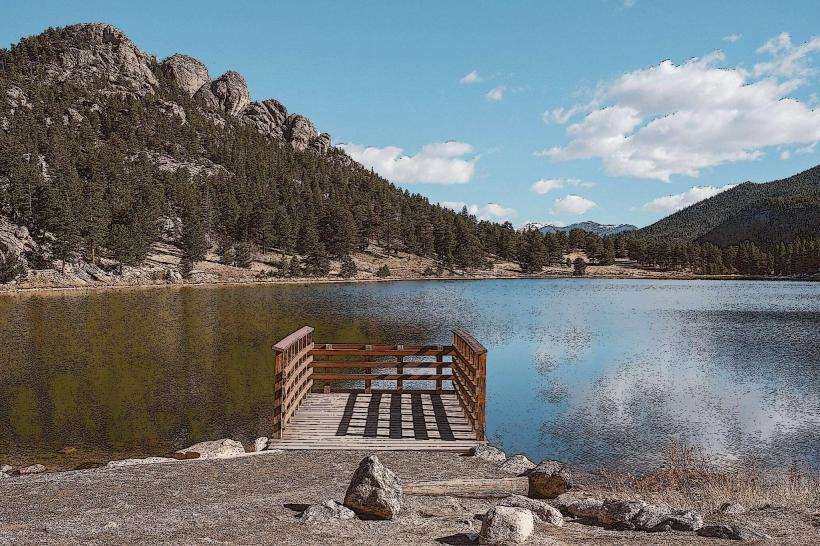
The area is renowned for its waterfalls-Copeland Falls, Calypso Cascades, and Ouzel Falls-all fed by mountain streams originating in the high Rockies. The crystal-clear alpine lakes, framed by towering peaks and evergreen forests, provide stunning vistas and tranquil settings for rest and photography.
Visitor Facilities and Regulations
The Wild Basin Entrance features basic facilities including parking, restrooms, and informational kiosks. There are no food services or visitor centers within this area, so visitors should come prepared with supplies.
Pets are strictly prohibited on all trails and backcountry areas to protect wildlife and maintain trail integrity.
Safety considerations are paramount in Wild Basin due to rapidly changing mountain weather, potential wildlife encounters, and rugged terrain. Hikers should carry adequate water, weather-appropriate clothing, navigation tools, and bear spray. Informing others of your plans is recommended for backcountry excursions.
Seasonal Considerations
The Wild Basin Area is generally accessible from late May to October. Snow can persist on higher elevation trails well into early summer, and some trails may be impassable during early spring or late fall.
Fall brings brilliant autumn colors, especially in aspen groves, enhancing the scenic beauty of hikes. Winter access is limited, and snow can make trails hazardous without specialized equipment.
The Wild Basin Area offers a blend of serene natural beauty, diverse hiking opportunities, and a quieter alternative to the more trafficked areas of Rocky Mountain National Park. Its waterfalls, alpine lakes, and abundant wildlife create a rewarding experience for visitors looking to connect with Colorado’s high-country wilderness.