Information
Landmark: Częstochowa PhilharmonicCity: Czestochowa
Country: Poland
Continent: Europe
Częstochowa Philharmonic, Czestochowa, Poland, Europe
The Bronisław Huberman Philharmonic (Filharmonia Częstochowska) is a major concert hall and cultural institution located in the city center of Częstochowa, Poland. It serves as the primary venue for the Częstochowa Symphony Orchestra and the Collegium Cantorum choir.
Visual Characteristics
The building is a modernist structure featuring a geometric, box-like silhouette with a facade composed of light-colored stone panels and expansive glass sections. The main auditorium is a large-scale symphonic hall with specialized acoustic paneling and wood finishes. The exterior is characterized by a prominent portico and a wide concrete plaza that integrates the building into the surrounding urban streetscape.
Location & Access Logistics
The philharmonic is located at ul. Wilsona 16, approximately 1.5km east of the Jasna Góra Monastery. It is positioned near the Częstochowa Main Railway Station (Częstochowa Główna), which is 0.5km to the south. Public transport access is provided by tram lines 1, 2, and 3, as well as multiple municipal bus lines stopping at the "II Aleja Najświętszej Maryi Panny" or "Piłsudskiego" stations. Limited street parking is available on ul. Wilsona, with larger paid parking zones located on nearby Aleja Wolności.
Historical & Ecological Origin
The current building was constructed in the 1960s on the site of the New Synagogue, which was destroyed by German forces in 1939. The philharmonic institution itself was established in 1945, initially operating in various temporary locations before moving to its permanent seat. It was named in honor of Bronisław Huberman, a world-renowned violin virtuoso born in Częstochowa.
Key Highlights & Activities
The venue hosts weekly symphonic concerts, chamber music recitals, and jazz performances. It is the central site for the biennial Bronisław Huberman Violin Festival and the International Festival of Sacral Music "Gaude Mater." Educational workshops for students and "Family Concert" matinees are scheduled regularly throughout the artistic season.
Infrastructure & Amenities
The facility includes a main concert hall with a capacity of over 800 seats and a smaller chamber hall. Restrooms are located in the basement and on the main foyer levels. The building is equipped with elevators and ramps for wheelchair accessibility. A cafe and cloakroom operate during event hours. High-speed 5G cellular signal is available throughout the interior and the exterior plaza.
Best Time to Visit
The artistic season runs from September to June, which is the best time to experience live performances. For architectural photography, the late afternoon provides optimal lighting on the western-facing glass facade. The building's exterior is best viewed during the summer months when the surrounding urban greenery is in full bloom and the plaza is used for outdoor public events.
Facts & Legends
The philharmonic stands directly on the foundations of the 19th-century New Synagogue; a commemorative plaque on the building's exterior marks this historical continuity. A local verified oddity is the "Acoustic Wall" in the foyer, designed specifically to minimize city noise interference during delicate recording sessions. The institution maintains a unique tradition of performing works by Wojciech Kilar, a composer who maintained a lifelong spiritual connection to the nearby Jasna Góra.
Nearby Landmarks
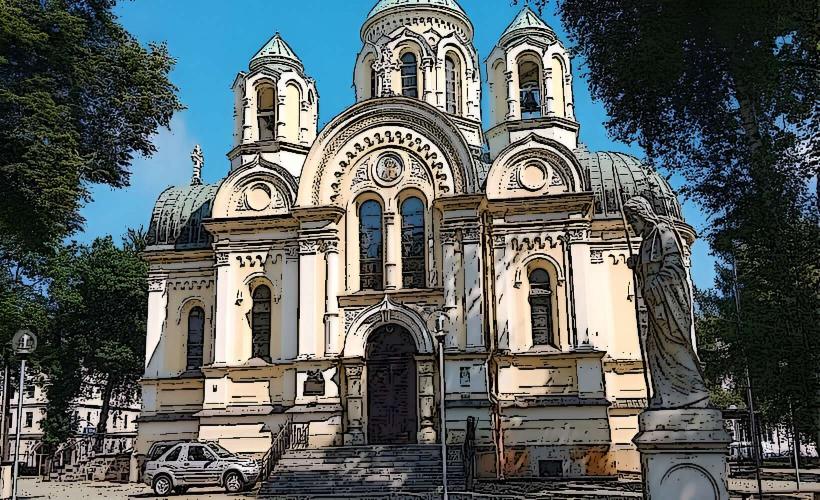
St. Sigismund's Church: 0.4km West
Częstochowa Town Hall: 0.7km West
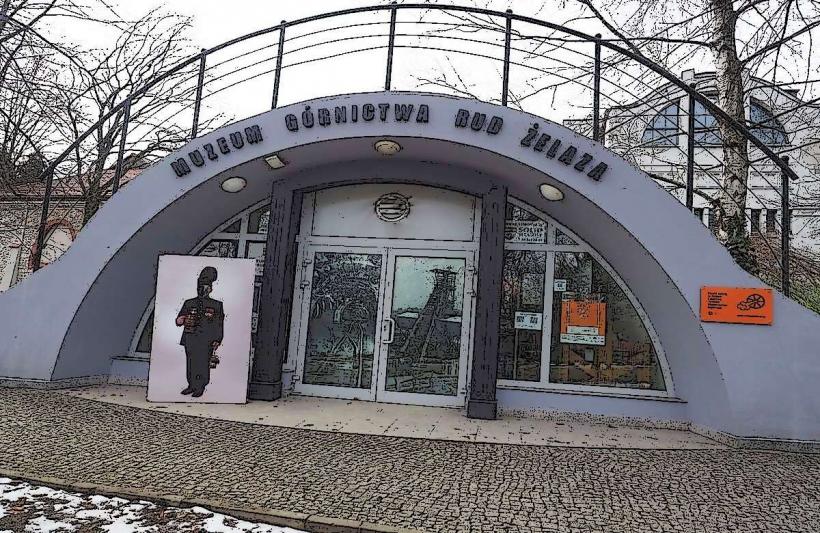
Museum of Iron Ore Mining: 1.2km West
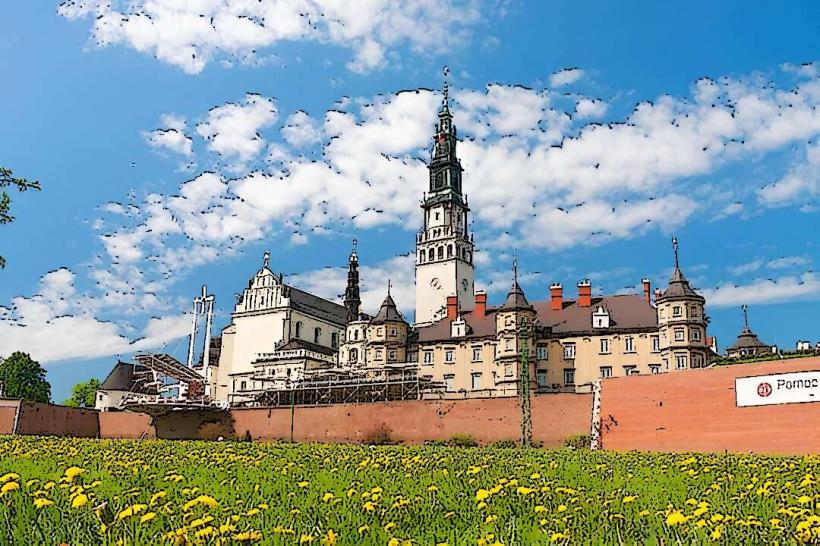
Jasna Góra Monastery: 1.5km West
St. James's Church: 0.6km Northwest