Information
Landmark: Jasna Góra MonasteryCity: Czestochowa
Country: Poland
Continent: Europe
Jasna Góra Monastery, Czestochowa, Poland, Europe
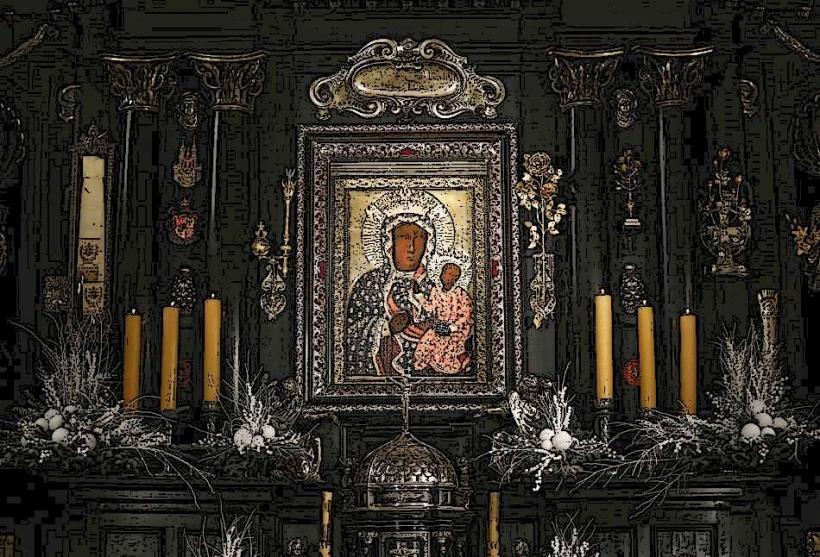
Jasna Góra Monastery is a world-renowned Catholic shrine and Pauline monastery located on a limestone hill in Częstochowa, Poland. It serves as the primary spiritual center for the country and houses the Black Madonna of Częstochowa, an icon attributed with miraculous powers.
Visual Characteristics
The complex is a fortified hill-top monastery (festung) surrounded by 17th-century brick bastions and defensive walls. The dominant feature is the 106-meter-tall Baroque bell tower, rebuilt in the early 20th century. Architectural styles vary from the Gothic presbytery of the chapel to the Baroque basilica nave, featuring ornate gilded altars, marble finishes, and frescoed ceilings.
Location & Access Logistics
The monastery is located at o. Augustyna Kordeckiego 2, at the western end of the city's main axis, Aleja Najświętszej Maryi Panny. From the Częstochowa Główna railway station, it is a 2km walk or a bus transfer via lines 11 or 12. Public parking for cars and buses is situated in large designated zones at the base of the hill near the southern and northern bastions.
Historical & Ecological Origin
The monastery was founded in 1382 by Pauline monks from Hungary at the invitation of Duke Władysław of Opole. It is situated on a 293-meter-high limestone outcrop. The fortifications were significantly expanded by King Władysław IV Vasa in the 1620s, which enabled the monastery to famously withstand the Swedish Siege of 1655 during "The Deluge."
Key Highlights & Activities
Daily unveilings of the Black Madonna icon occur at 06:00 and 13:30 (standard schedule). Visitors can walk the perimeter of the bastions for panoramic city views. Specific interior locations include the Knights' Hall, the Treasury (containing royal votive offerings), and the 600th Anniversary Museum. The Way of the Cross statues are situated in the park surrounding the walls.
Infrastructure & Amenities
The "Pilgrim's House" provides accommodation and basic dining facilities. Public restrooms are located near the information center and the bastion gates. Most areas are wheelchair accessible via ramps, though the tower requires climbing stairs. 4G/5G signal is consistent throughout the complex. Licensed stalls near the entrance provide religious artifacts and bottled water.
Best Time to Visit
The best time for photography of the tower is during late afternoon when the western sun illuminates the facade. May and August are peak pilgrimage months with extremely high visitor density; October and March offer a quieter experience. To view the Black Madonna without excessive crowds, early morning or late evening visits are optimal.
Facts & Legends
The Black Madonna icon has two visible "scars" on her cheek; historical records attribute these to a 1430 Hussite raid when the painting was struck by a sword. Legend claims the image was painted by St. Luke the Evangelist on a tabletop used by the Holy Family, though scientific analysis dates the wood and pigments to the medieval period.
Nearby Landmarks
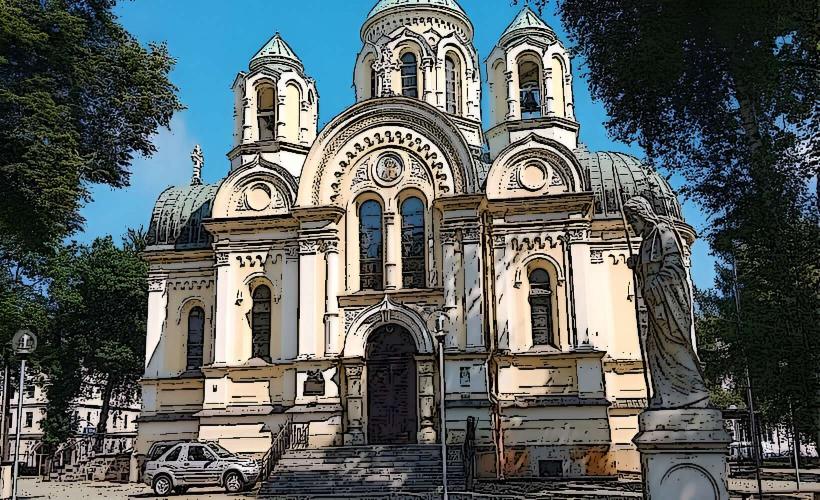
St. James’s Church: 0.7km East
Częstochowa Town Hall: 1.2km East
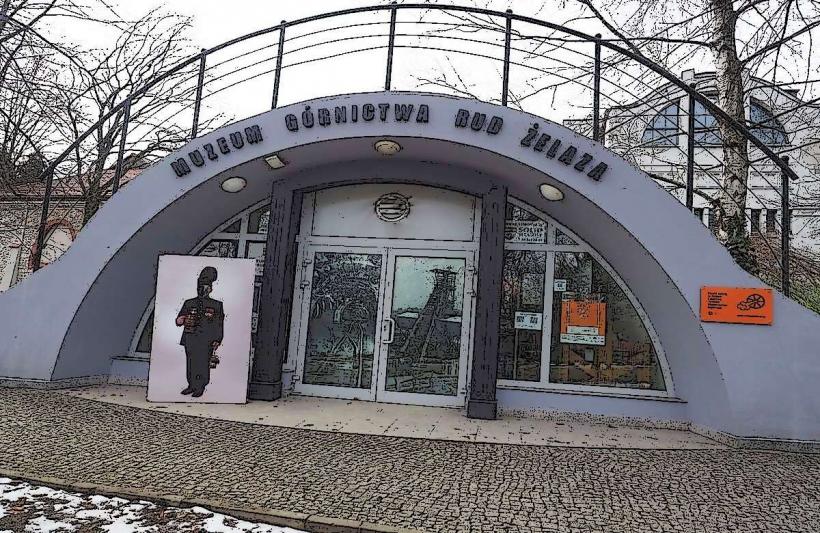
Museum of Iron Ore Mining: 0.5km South
St. Barbara’s Church and Spring: 0.8km South
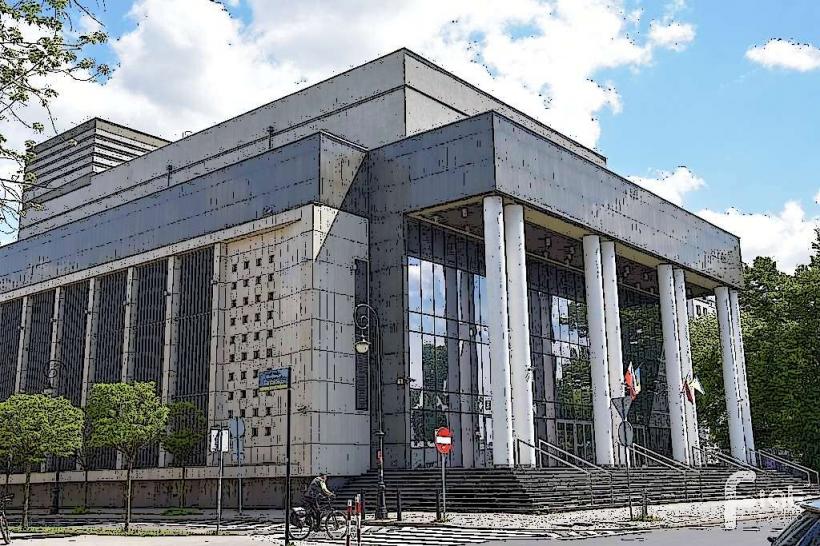
Czestochowa-philharmonic_czestochowa" class="underline">Częstochowa Philharmonic: 1.5km East