Information
Landmark: Daejeon Prehistoric GardenCity: Daejeon
Country: South Korea
Continent: Asia
Daejeon Prehistoric Garden, Daejeon, South Korea, Asia
Overview
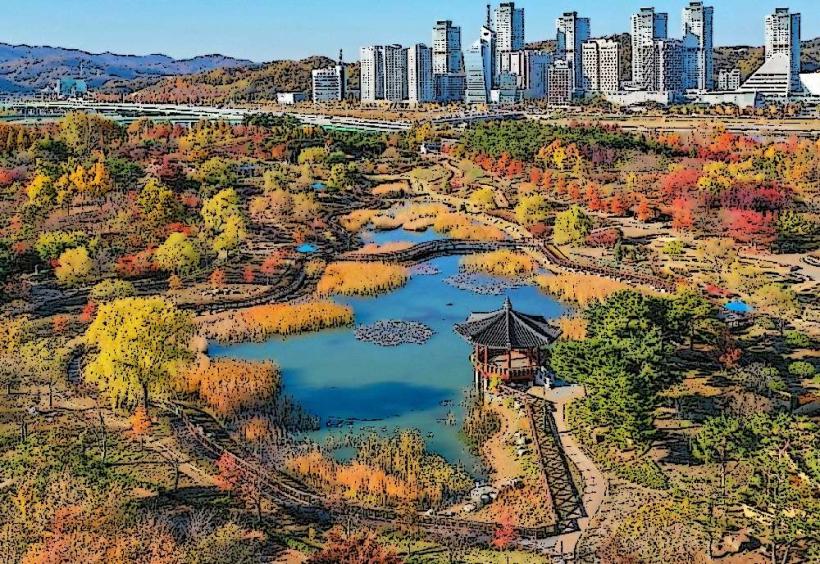
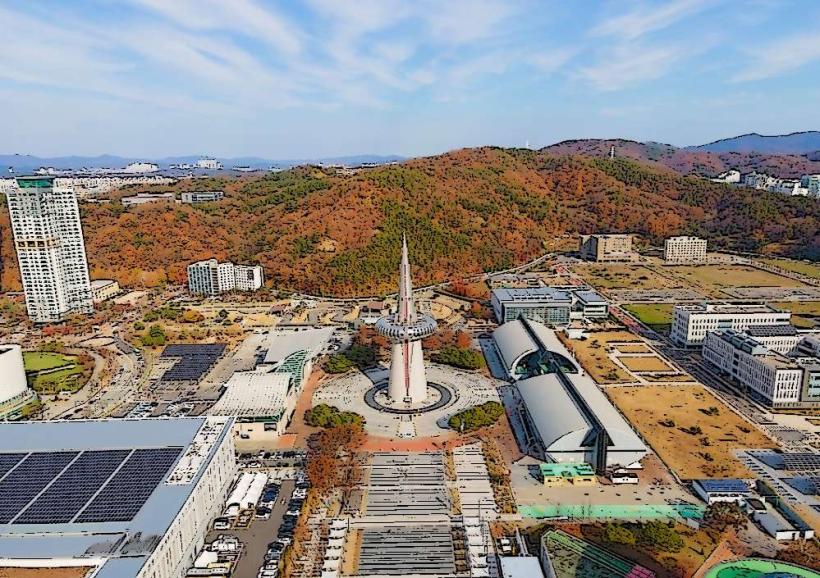
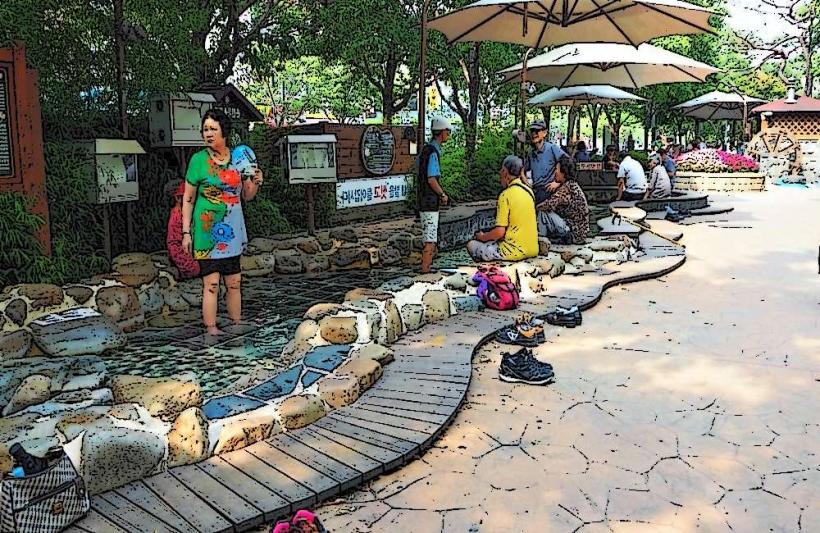
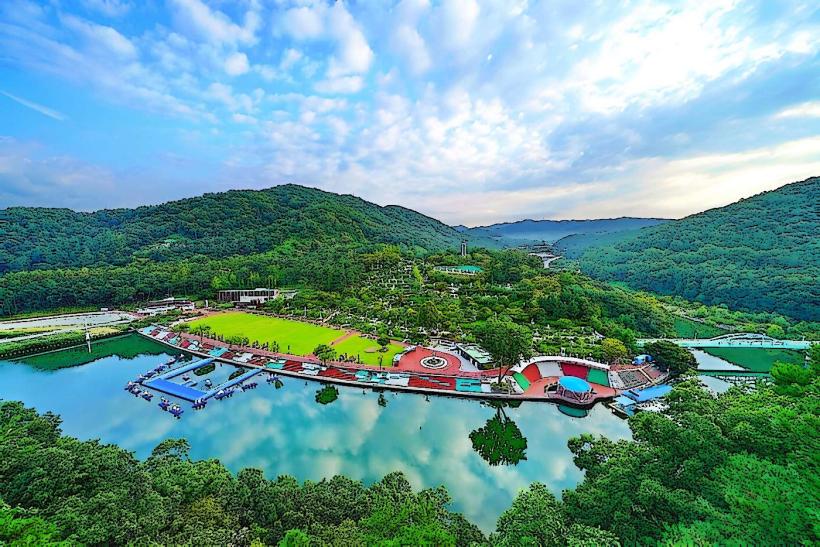
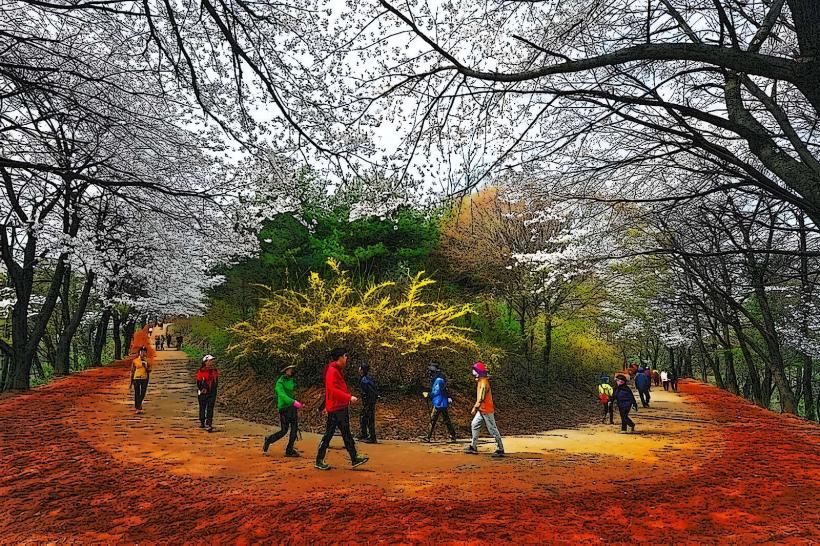
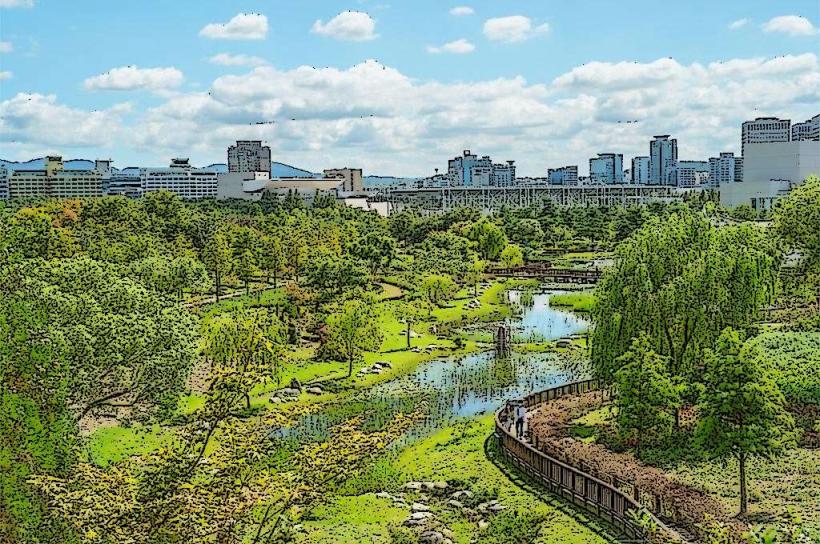
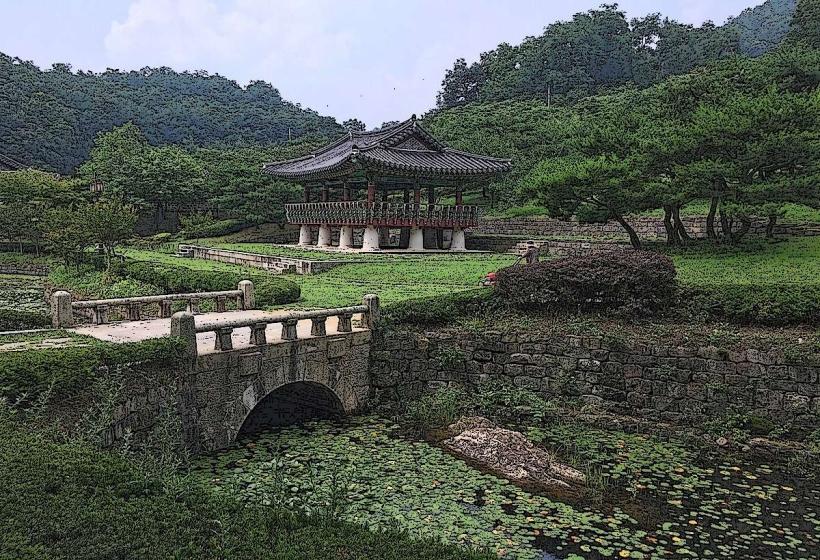
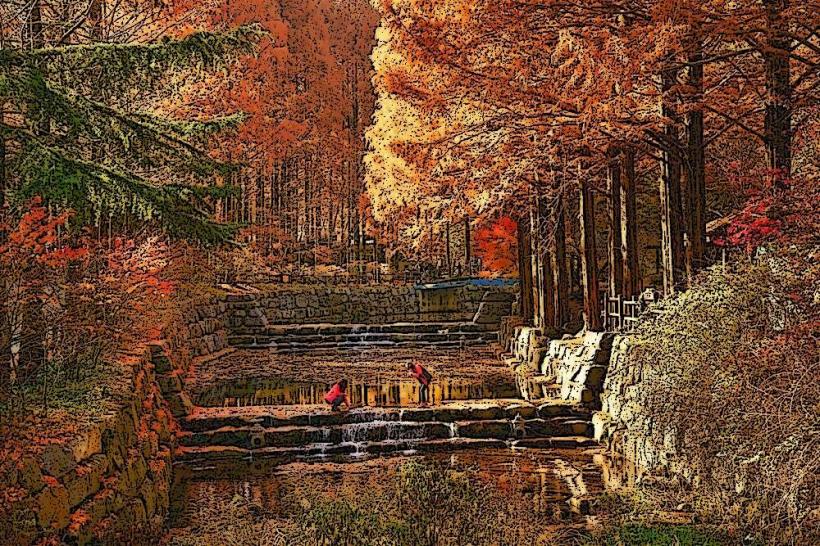
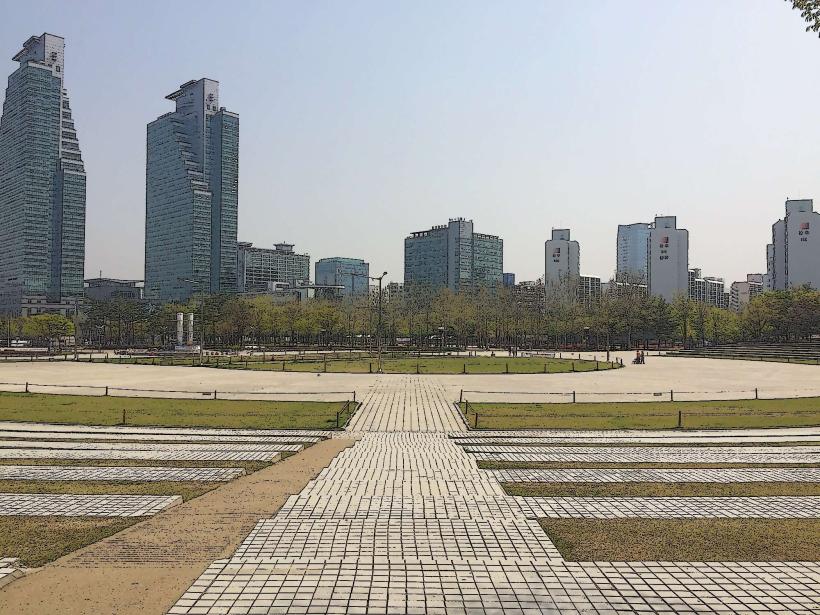
As it turns out, In Daejeon, South Korea, the Daejeon Prehistoric Garden (대전 선사유적공원) invites visitors to wander an open-air museum and park where ancient relics rest beneath the sun, moreover it’s devoted to bringing the region’s prehistoric past to life, with a spotlight on the Paleolithic and Neolithic eras-stone tools worn smooth by centuries are just one reminder of their story.The park offers a one-of-a-kind experience, blending ancient ruins, rebuilt prehistoric homes with smoke-darkened rafters, and exhibits that make the region’s long-ago history feel vivid and real, after that families, school groups, and history buffs alike will love it, from the ancient stone walls to the faint scent of aged parchment in the air.As it happens, The Daejeon Prehistoric Garden sits in Yuseong District, just a short drive from the city’s bustling downtown, where you can still hear the hum of traffic in the distance, then the park sits in a quiet setting, ringed by rolling green hills that echo its prehistoric theme.You can get there easily by bus or taxi, and it’s just a short roam from the Yuseong warm Springs and Daejeon’s leafy parks, then history and Purpose: The Prehistoric Garden was created to protect the Daejeon region’s ancient heritage and share it with visitors, from weathered stone tools to traces of early settlements.They built the park around a real prehistoric site, where archaeologists uncovered traces of early human life-a chipped stone tool still dusted with soil, after that it aims to teach visitors about the prehistoric era with hands-on exhibits, rebuilt dwellings, and real archaeological finds, giving a glimpse-like the feel of rough stone tools-into the lives of early humans who once called the region home.Key features and attractions include real prehistoric dig sites, where archaeologists have uncovered stone tools and other artifacts dating back to the Paleolithic and Neolithic eras-some still dusted with the soil that hid them for thousands of years, alternatively visitors can wander past shallow excavation pits where chunks of stone and pottery from ancient settlements lie exposed.Walking through the site, you catch a vivid glimpse of the area’s prehistoric past, and it makes clear just how central Daejeon is to understanding early human cultures, consequently one highlight of the Prehistoric Garden is its reconstructed prehistoric homes, their thatched roofs bending under the weight of fresh morning dew.These dwellings closely mirror the kinds of homes early humans built in the Paleolithic and Neolithic ages, from rough stone walls to roofs woven with reeds, equally important these dwellings, built from wood, stone, and roofs thick with dry thatch, invite visitors to step inside and imagine the daily life of prehistoric people.The reconstructions feature tools, clay pots still marked with faint fingerprints, and other objects once used by ancient communities, furthermore thematic Exhibitions: Step inside the park’s museum buildings and you’ll perceive displays of stone tools, ancient artifacts, and glimpses of how prehistoric people lived day to day.The exhibits display stone axes, pottery, fossils, and early hunting tools, each one hinting at how early humans pushed their skills forward-like the sharp edge of a flint blade shaped by careful hands, on top of that the exhibitions teach as much as they delight, blending sparkling multimedia screens with hands-on displays you can touch and explore.Replica Fossils and Stone Tools: The park displays a range of replicas, from ancient-looking stone axes to fossil casts you can almost feel the ridges on, equally important these artifacts offer a glimpse into how prehistoric people lived and changed over time, from the tools they chipped from stone to the patterns worn into their pottery.Visitors can spot arrowheads chipped from flint, stone knives with worn handles, and other tools once used for hunting, building, and staying alive, in addition if you’re fascinated by archaeology, you’ll find a research center tucked inside the park, where stone fragments and ancient tools line quiet display shelves.At the center, you can dig deeper into the archaeologists’ current work in the region and find clear, hands-on resources for anyone eager to explore the prehistoric past, what’s more nature and Landscape: The Daejeon Prehistoric Garden sits in a quiet park, surrounded by grassy lawns, winding paths, and views that stretch to the tree-covered hills.In a way, The park’s landscaping blends seamlessly with its historical theme, so visitors can take in the soft curve of heritage stone walls while enjoying the surrounding trees and open sky, therefore stroll quietly along the park’s winding paths, then let families and friends wander together under the tall oak trees.The park often hosts hands-on programs and lively workshops for kids and students, like nature walks where you can smell the fresh pine, in conjunction with these programs might feature things like joining an archaeological dig, shaping clay into simple tools, or playing prehistoric-themed games-all designed to teach visitors about the region’s history in a lively, hands-on way.Schools and other learning groups often come to the park for field trips, where students can handle replicas of ancient tools and explore history in a hands-on way, besides visitor Information – Opening Hours: The Daejeon Prehistoric Garden welcomes visitors daily, but it shuts its gates on some national holidays or when crews need time for upkeep, like trimming overgrown paths after a summer storm.Check the official website or stop by the local tourist desk to spot the latest hours-like knowing if the gates open at sunrise-so you can plan your visit without surprises, as well as you’ll usually pay a minute fee to get into the Daejeon Prehistoric Garden, but kids, students, and seniors often get a discount-sometimes just enough to cover an ice cream afterward.The fees keep the park running and support its classrooms, where maps curl at the edges from years of use, simultaneously certain special exhibits or events might cost extra, so check ahead for any added fees-like a $5 ticket for the planetarium-before you go.Parking’s easy here-plenty of open spots wait for visitors who decide to drive in, subsequently you’ll find the parking lots just steps from the park’s entrance, beside the row of tall oak trees.Restrooms: You’ll find clean facilities scattered across the park, with floors that smell faintly of lemon soap, moreover cafes and shops: Scattered through the park, a few cozy cafés and slight gift shops invite visitors to grab a sweltering coffee, pick up a postcard, or browse books and souvenirs.Accessibility: The Daejeon Prehistoric Garden welcomes visitors with disabilities, offering smooth paths and wheelchair-friendly routes that wind past the park’s greenery and into the exhibition halls, also the park offers educational programs and activities for everyone, from kids chasing butterflies to seniors exploring nature trails, making it a truly welcoming spot.Spring and autumn are the ideal times to explore the Daejeon Prehistoric Garden, when the air feels crisp and the trees glow with fresh blossoms or fiery leaves, not only that you can visit the park any time of year, but summer heat often bakes the paths, so many people wait for the crisp air of spring or fall.In conclusion, the Daejeon Prehistoric Garden gives visitors a rare chance to explore the ancient history of the region, from weathered stone tools to stories carved in time, while the park’s a venue where you can wander among ancient ruins, step inside rebuilt huts, try your hand at interactive displays, and take in the scent of pine on the breeze-all while discovering the prehistoric era and the rise of early human communities.Whether you’re into ancient history, visiting with curious kids, or just craving a quiet afternoon under the trees, the Daejeon Prehistoric Garden offers a vivid glimpse into South Korea’s distant past.
Author: Tourist Landmarks
Date: 2025-09-16