Information
Landmark: Davison Art CenterCity: Middletown
Country: USA Connecticut
Continent: North America
Davison Art Center, Middletown, USA Connecticut, North America
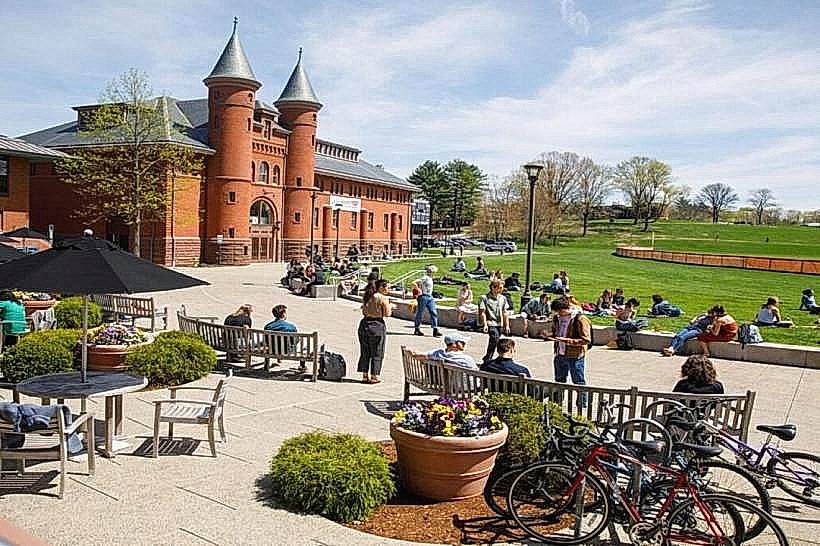
Davison Art Center (DAC) at Wesleyan University in Middletown, Connecticut, is one of the institution’s most significant cultural landmarks, renowned for its exceptional print collection, exhibitions, and academic integration. Though its primary functions have evolved over time, the DAC continues to represent Wesleyan’s deep commitment to the arts and humanities.
Historical Background
The Davison Art Center was founded in 1952, thanks to the bequest of George W. Davison (Class of 1892), a Wesleyan alumnus, philanthropist, and art collector.
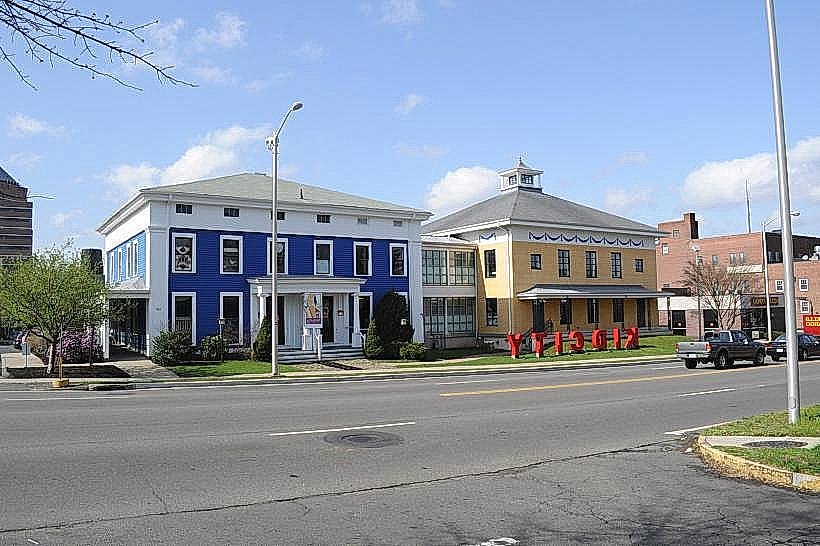
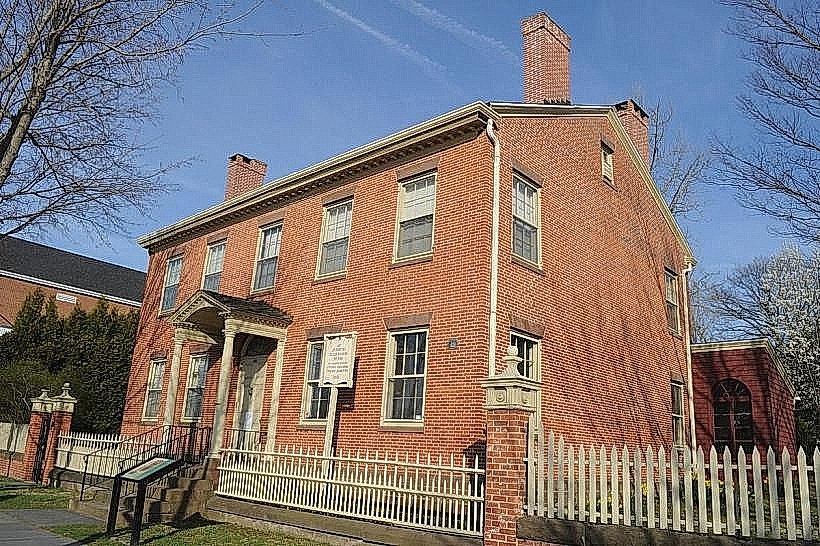
The center was housed in the Alsop House, a mid-19th-century Greek Revival mansion that itself is a National Historic Landmark.
Davison’s gift included his extraordinary collection of fine art prints, which became the heart of the center’s mission in research, teaching, and exhibition.
Collections
The DAC is best known for its print collection, considered one of the finest at any U.S. university.
The holdings include more than 25,000 works on paper, spanning 15th-century engravings to contemporary graphic art.
Highlights feature works by Albrecht Dürer, Rembrandt, Francisco Goya, James McNeill Whistler, and modern masters.
The collection has been a vital academic resource for Wesleyan’s art history program, enabling hands-on study.
The Alsop House
The center was long located in the Alsop House, built in 1839 by architect Ithiel Town for Middletown’s Alsop family.
Architecturally, the Alsop House is a Greek Revival masterpiece, with elegant proportions, columned porches, and interior details reflecting 19th-century grandeur.
Its preservation and adaptation for academic use gave the DAC a unique historic setting.
Exhibitions and Academic Role
For decades, the DAC mounted exhibitions of prints, photographs, and works from its collections, alongside traveling shows.
It served both the Wesleyan community and the broader public, acting as a regional cultural hub.
Students and scholars used the center for direct engagement with original works of art, supporting Wesleyan’s philosophy of experiential learning.
Recent Changes
In 2021, the art collection was formally transferred from the Davison Art Center to the Wesleyan University Library’s Special Collections & Archives.
While the Alsop House remains a historic campus landmark, the DAC’s role shifted from a physical museum to a curatorial and academic resource integrated into broader campus collections.
Digital initiatives now expand access to the print collection, continuing its relevance in contemporary scholarship.
Cultural Significance
The DAC embodies the intersection of art, history, and education.
Its collections have long been recognized for both scholarly depth and teaching value.
By preserving and digitizing its holdings, Wesleyan ensures the DAC’s legacy continues to shape art historical research and liberal arts education.
Present-Day Importance
The Alsop House stands as a historic anchor on Wesleyan’s campus, admired for its architecture and legacy as home to the DAC.
The art collections once under the DAC name remain among Wesleyan’s most prestigious assets, accessible for study, teaching, and exhibitions.
The transformation of the DAC into a more integrated academic entity underscores Wesleyan’s adaptability in maintaining cultural heritage while embracing new forms of access.
Davison Art Center today represents both a historic institution and a living collection, balancing its 19th-century architectural roots with its ongoing influence in art education and research at Wesleyan University.