Information
Landmark: Wesleyan University CampusCity: Middletown
Country: USA Connecticut
Continent: North America
Wesleyan University Campus, Middletown, USA Connecticut, North America
Wesleyan University Campus in Middletown, Connecticut is one of New England’s most distinctive liberal arts college environments, combining historic architecture, modern academic facilities, green spaces, and cultural landmarks. Founded in 1831, Wesleyan’s campus blends 19th-century charm with contemporary innovation, reflecting its evolution as both an academic and cultural hub.
Historical Background
Established by Methodist leaders and Middletown citizens, Wesleyan was among the first prominent Methodist institutions of higher education in the United States.
Its early campus centered around College Row, a series of historic buildings constructed in the mid-1800s.
Over time, the university expanded into a 200-acre campus that integrates historic halls, modern research facilities, arts spaces, and athletic fields.
Geography and Layout
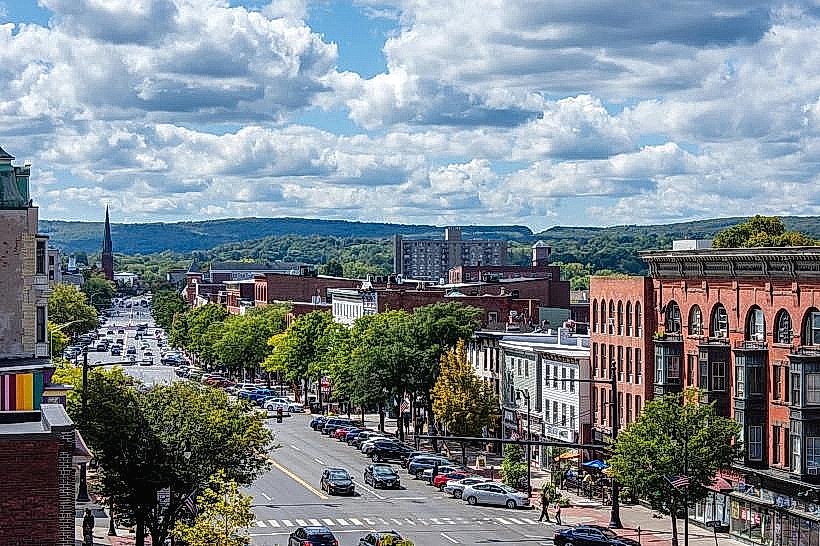
The campus is located on a hill overlooking downtown Middletown and the Connecticut River, giving it scenic views and a commanding presence in the city.
Key areas include:
College Row – the historic academic heart, featuring Brownstone buildings such as North College and South College.
Foss Hill – an open hillside popular for student gatherings, concerts, and relaxation, serving as a campus focal point.
Olin Library – the main academic library, central to student and faculty research.
Science and Research Quads – modern facilities supporting Wesleyan’s strong emphasis on interdisciplinary study.
Center for the Arts (CFA) – a nationally recognized complex housing theaters, studios, and galleries.
Athletic Complexes – including fields, courts, and fitness centers supporting Wesleyan’s Division III athletics.
Architectural Character
The campus architecture blends Federal, Collegiate Gothic, Modernist, and Contemporary styles.
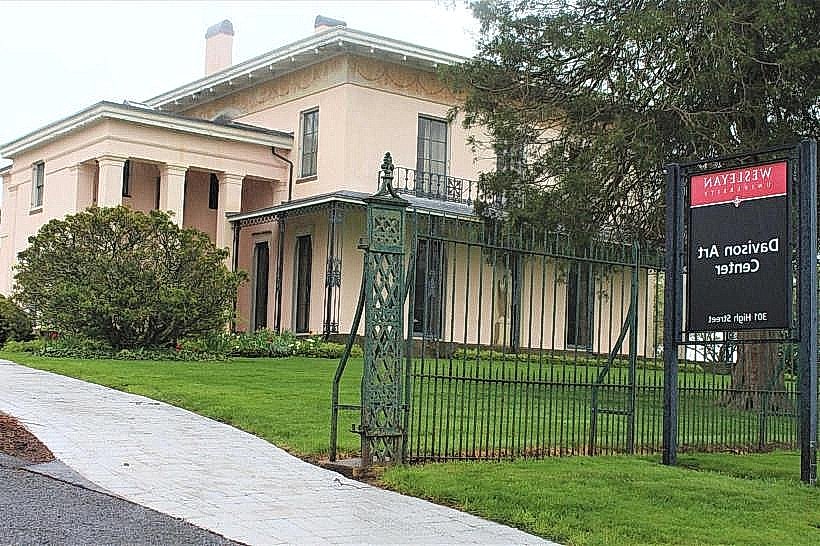
Historic brownstone structures along College Row contrast with innovative spaces like the Exley Science Center and the Davison Art Center.
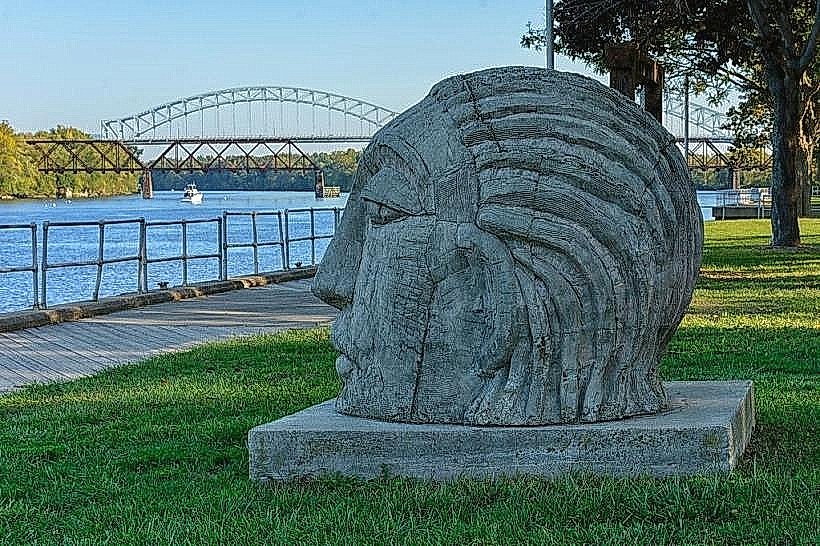
Outdoor sculptures and landscaped quads add to the aesthetic and cultural richness of the grounds.
Academic and Cultural Highlights
Libraries and Archives – Olin Memorial Library, with special collections and archives, is a key intellectual hub.
Center for the Arts – integrates music, dance, theater, and visual arts, fostering a vibrant creative community.
Davison Art Center – houses one of the nation’s finest print collections, connecting the university with global artistic traditions.
Foss Hill Tradition – a central part of student life, especially during spring events, outdoor concerts, and film screenings.
Exley Science Center – home to natural sciences, research labs, and a planetarium.
Green Spaces and Natural Features
Andrus Field – the oldest continuously used baseball field in the country, highlighting Wesleyan’s athletic heritage.
Foss Hill – green lawns ideal for gathering, reflecting the campus’s emphasis on community.
Botanic elements – tree-lined walkways, landscaped courtyards, and gardens enhance the campus atmosphere.
Cultural and Community Role
The Wesleyan campus is a cultural destination for both Middletown and the broader region, hosting concerts, lectures, festivals, and exhibitions.
It serves as a center for progressive thought, interdisciplinary study, and artistic innovation.
The mix of historic preservation and modern expansion reflects Wesleyan’s balance of tradition and forward-thinking values.
Present-Day Significance
Today, Wesleyan University’s campus represents both a historic liberal arts tradition and a modern academic powerhouse.
Its location integrates seamlessly with Middletown, enriching the city’s identity with intellectual, cultural, and economic contributions.
The campus remains a living landmark, symbolizing higher education’s ability to preserve history while fostering new ideas.
Wesleyan University Campus stands as a picturesque and dynamic environment, where historic brownstone halls and green quads meet cutting-edge research centers and arts complexes, embodying the spirit of liberal arts education in Connecticut.