Information
Landmark: Deadwood Historic DeadwoodCity: Deadwood
Country: USA South Dakota
Continent: North America
Deadwood Historic Deadwood, Deadwood, USA South Dakota, North America
Old West Origins
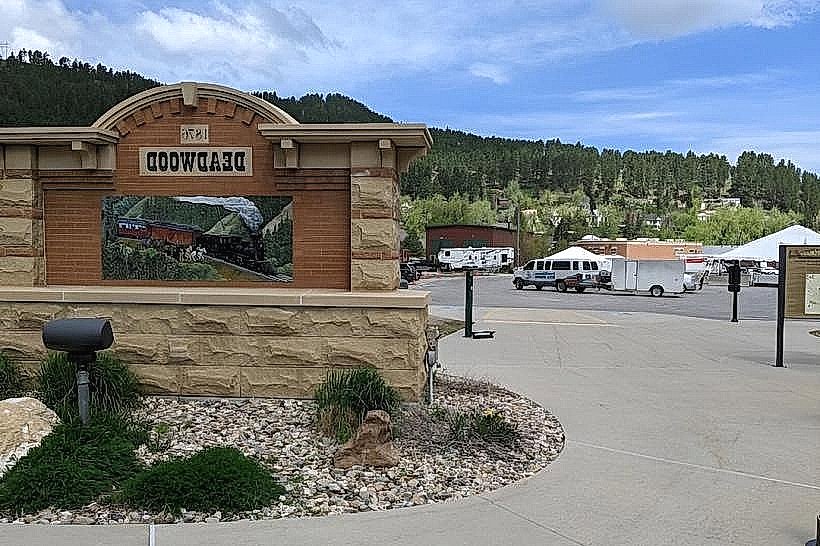
Historic Deadwood sits deep in the northern reaches of South Dakota’s Black Hills, where pine forests wrap around steep gulches and narrow streets lined with preserved 19th-century façades. The town sprang to life in 1876 after gold was discovered in the nearby streams of Whitewood Creek. Within months, thousands of miners, prospectors, gamblers, and drifters flooded the canyon, building a frontier settlement that quickly became infamous for its lawlessness and opportunity. Unlike many boomtowns that faded away, Deadwood’s fortune endured, largely because of its colorful residents and enduring legends.
Legends of the Frontier
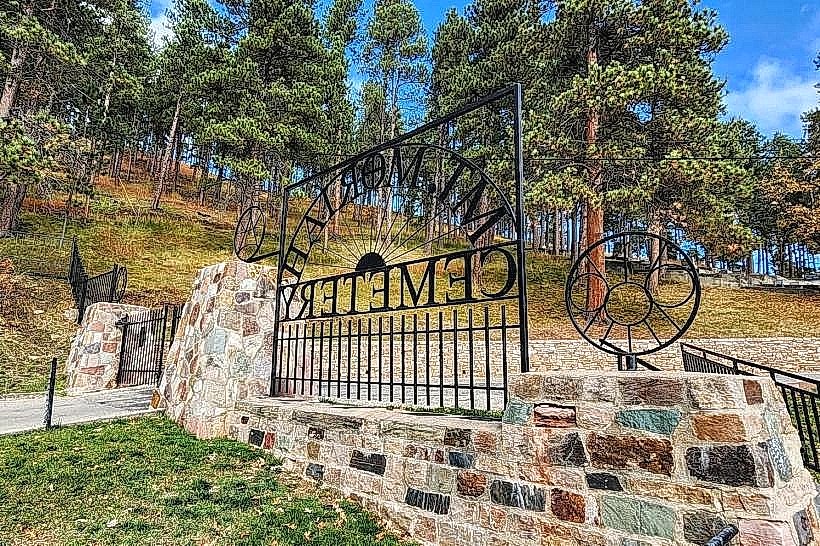
Deadwood’s story cannot be told without Wild Bill Hickok and Calamity Jane, two figures whose lives and deaths became inseparable from the town’s lore. Hickok met his end in Saloon No. 10 while holding the “dead man’s hand” - aces and eights - a tale that has echoed through generations. Calamity Jane, the sharp-tongued frontierswoman, remained devoted to him even in death; both are buried together at Mount Moriah Cemetery, a serene hilltop site shaded by ponderosa pines and overlooking the entire valley. The cemetery itself serves as a living museum of frontier life, with headstones marking the final resting places of prospectors, outlaws, and pioneers who helped shape the town.
Preserved Streets and Architecture
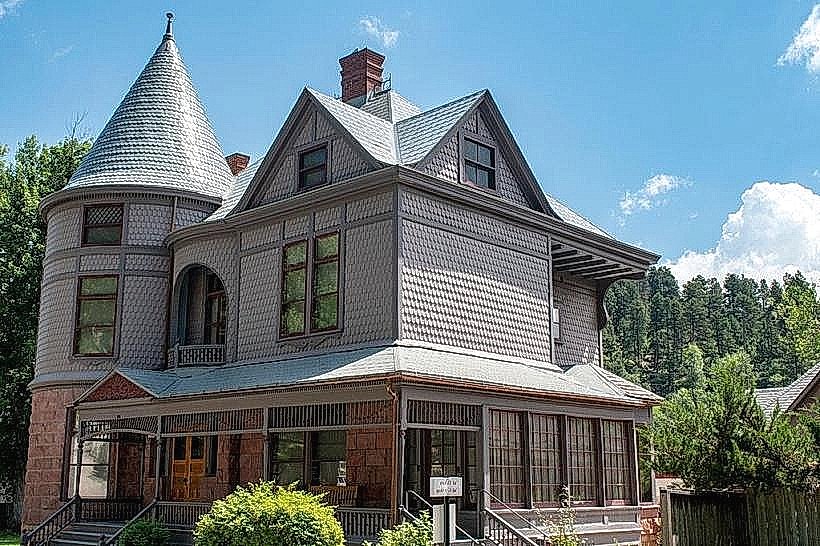
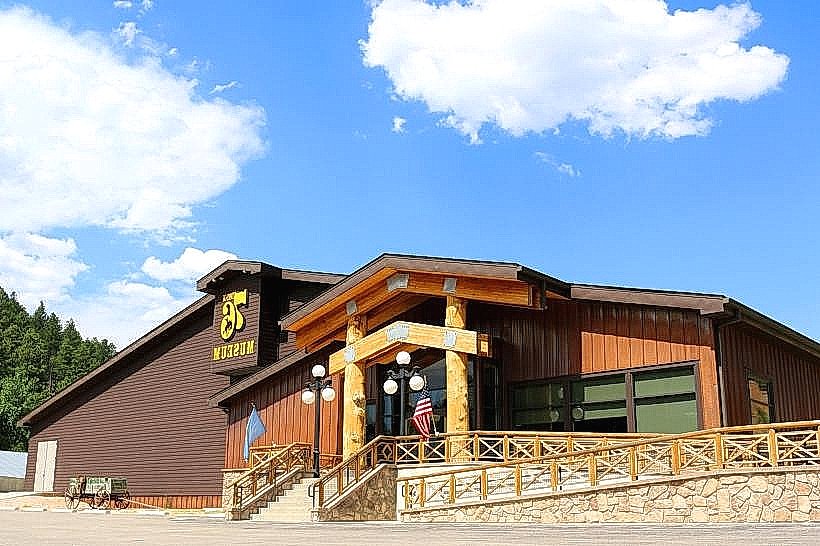
Walking along Main Street, visitors can sense the layered texture of time. Many buildings retain their Victorian and Western-style wooden fronts, reconstructed after several fires but still carrying the marks of their original design. The Adams Museum, founded in 1930, preserves relics from Deadwood’s golden age: gold nuggets from the Homestake Mine, antique firearms, period furniture, and portraits of the town’s early residents. Nearby, the Historic Adams House, built in 1892, captures the elegance of Deadwood’s wealthier era with its stained glass windows, original furnishings, and carved oak interiors.
Culture, Casinos, and Reenactments
Today, Deadwood’s blend of history and entertainment makes it feel like a living set from a Western film. Gambling, legalized in 1989 to fund historic preservation, brought new life to the old saloons and hotels. Visitors can try their luck in establishments that have operated since the 19th century, where polished brass bars, tin ceilings, and red velvet drapes recreate the glamour of the Gilded Age. During the summer months, the town stages daily reenactments of Wild West shootouts, while events like the Days of ’76 Rodeo, Deadwood Jam, and Kool Deadwood Nites draw crowds with music, parades, and classic cars.
Natural Surroundings and Scenic Drives
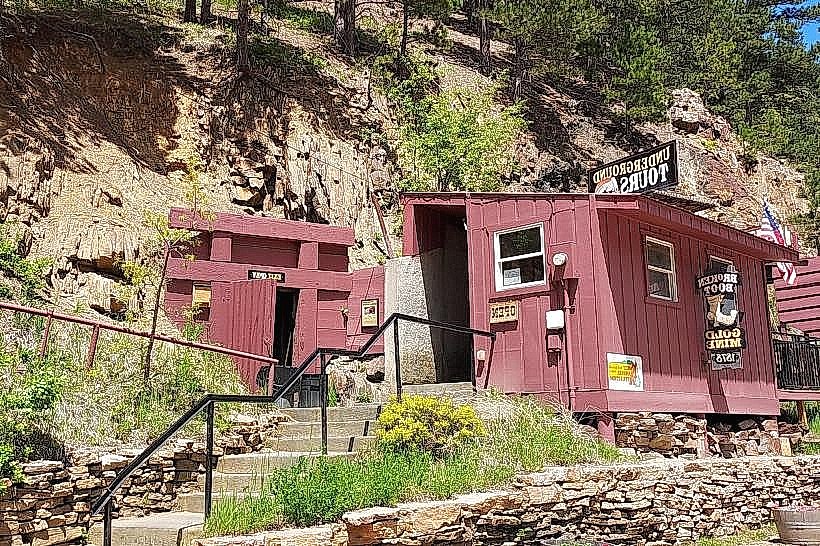
The setting adds to Deadwood’s allure. Tucked between steep, pine-clad hills, the town is a gateway to outdoor adventures in the Black Hills National Forest. Just beyond the historic district, scenic byways lead to Spearfish Canyon, known for its waterfalls and limestone cliffs, and to Lead, home of the Homestake Mine, once the largest and deepest gold mine in North America. Trails for hiking, horseback riding, and snowmobiling radiate from the town, making it a year-round destination for both history buffs and nature enthusiasts.
Atmosphere and Timeless Appeal
What sets Historic Deadwood apart is its immersive atmosphere - the mingling scent of pine, whiskey, and rain on old wood; the sound of boots on brick sidewalks; the faint echo of a piano from a distant saloon. As dusk settles, gas lamps flicker along Main Street, illuminating the same stretch once walked by gamblers and gunslingers. Deadwood thrives not as a frozen relic, but as a vivid reminder of America’s restless frontier spirit - where the legends of the Wild West still feel just around the next corner.