Information
Landmark: Days of ’76 MuseumCity: Deadwood
Country: USA South Dakota
Continent: North America
Days of ’76 Museum, Deadwood, USA South Dakota, North America
Origins and Historical Background
The Days of ’76 Museum in Deadwood, South Dakota, was established to preserve and celebrate the spirit of the legendary Days of ’76 celebration, an annual event that began in 1924 to honor the pioneers, miners, and prospectors who arrived during the 1876 Black Hills Gold Rush. The festival grew into one of the most iconic rodeo and parades in the region, and the museum emerged as a way to safeguard the artifacts, wagons, and stories connected to that era. Over the decades, the collection expanded from a modest display of parade relics into a world-class facility chronicling the full sweep of Deadwood’s frontier history.
Architecture and Setting
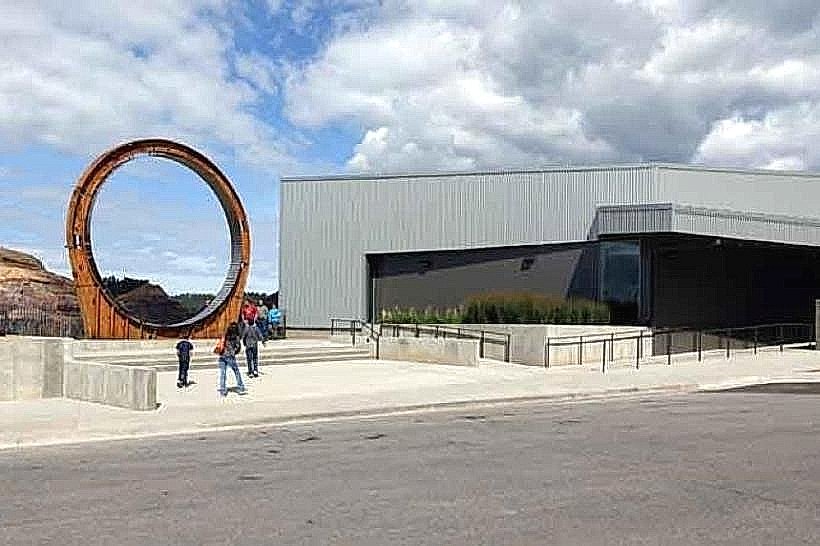
The museum’s modern 32,000-square-foot building, completed in 2012, blends rustic design with contemporary exhibition space. It sits near the rodeo grounds on the southern edge of Deadwood, surrounded by rolling hills and open skies that echo the area’s ranching heritage. The structure’s timber frame, stone walls, and broad glass windows give it a rugged elegance, reminiscent of both a Western barn and a frontier lodge. Inside, the spacious galleries are lined with warm wood tones and high ceilings, creating a museum experience that feels both authentic and immersive.
Permanent Collections and Exhibits
At the heart of the Days of ’76 Museum is its extraordinary wagon and stagecoach collection, one of the largest in the United States. More than 50 original horse-drawn vehicles, including freight wagons, covered wagons, buggies, and ornate parades coaches, are displayed in pristine condition. Each is meticulously restored to show the craftsmanship that powered transportation and trade during the late 19th century.
Another major highlight is the Firearms and Native American collection, which features rifles, pistols, beadwork, and ceremonial clothing that reveal the diverse cultural exchanges-and conflicts-of the frontier. The exhibits blend the stories of settlers, traders, and the Lakota Sioux people who inhabited the Black Hills long before gold fever struck.
The Pioneer Gallery offers an evocative glimpse into Deadwood’s early days, displaying mining tools, handwritten diaries, and personal belongings that once filled the wagons of those who ventured west. Period photographs and sound installations recreate the noise and bustle of a booming mining town.
The Rodeo Legacy and Celebration
One of the museum’s most vibrant sections honors the Days of ’76 Rodeo, a tradition that continues every summer with parades, rodeo events, and pageantry celebrating Deadwood’s Wild West roots. Exhibits showcase original parade floats, vintage cowboy attire, championship saddles, and photos documenting nearly a century of the event. Visitors can trace how the celebration evolved from a small local commemoration to a nationally recognized rodeo, now part of the ProRodeo Hall of Fame.
Educational Role and Preservation Efforts
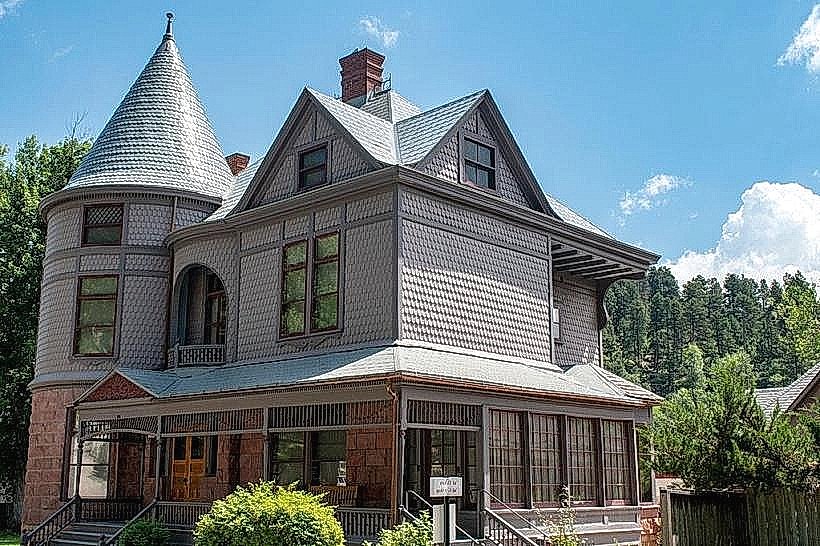
Beyond its artifacts, the museum serves as a hub for research and historical preservation under Deadwood History, Inc., the organization that also manages the Adams Museum and Historic Adams House. Interactive displays, children’s programs, and rotating exhibits encourage visitors to explore the human stories behind the relics - the endurance, improvisation, and community spirit that defined the early settlers of the Black Hills.
Visitor Experience
Exploring the museum feels like walking through time. The air carries a faint scent of leather and old timber, and the echo of cowboy boots on polished floors creates an almost cinematic rhythm. Each exhibit is thoughtfully lit to highlight textures - the worn wood of a wagon wheel, the shimmer of beadwork, the gleam of polished brass. Informational panels are detailed but concise, allowing visitors to linger and absorb the atmosphere without feeling overwhelmed.
Cultural Significance
The Days of ’76 Museum stands as both a historical archive and a living tribute to Deadwood’s heritage. It honors not just the rough-and-tumble image of the Wild West but also the endurance and ingenuity of the people who turned a fleeting gold rush camp into a lasting community. In preserving these stories, the museum ensures that the frontier spirit - bold, restless, and unyielding - continues to resonate through the Black Hills and beyond.