Information
Landmark: Depot MuseumCity: De Smet
Country: USA South Dakota
Continent: North America
Depot Museum, De Smet, USA South Dakota, North America
The Depot Museum in De Smet is a historic site and museum housed in the town’s original railroad depot. It serves as both a preservation of transportation history and a showcase for local heritage, providing visitors with insight into the vital role the railroad played in the settlement and development of De Smet and Kingsbury County.
Historical Background
The Depot Museum occupies the former Chicago and Northwestern Railroad depot, constructed in the late 19th century during the rapid expansion of rail lines across South Dakota. The railroad was crucial in connecting De Smet to regional markets, facilitating the movement of goods, livestock, and settlers.
The museum preserves the depot’s historical character while interpreting the broader significance of the railroad in shaping the town’s economy, culture, and community life.
Architecture and Structure
The Depot Museum retains many architectural features characteristic of frontier-era rail depots:
Exterior: Traditional wooden or brick construction with wide eaves and a prominent overhang along the platform, designed to shelter passengers and cargo.
Interior: Restored waiting rooms, ticket counters, and freight areas convey the functional layout of an operational depot.
Railway Features: Original signage, platform edges, and adjacent tracks (where preserved) provide historical authenticity.
Exhibit Spaces: Converted areas now display artifacts, photographs, and interpretive materials.
The architecture reflects the practical, utilitarian design of 19th-century railway infrastructure while retaining a sense of period charm.
Exhibits and Collections
The Depot Museum focuses on railroad history and local heritage:
Railroad Artifacts: Tools, lanterns, timetables, uniforms, and equipment illustrate daily operations and the life of railroad workers.
Photographs and Documents: Historical images of trains, depot staff, and the surrounding town provide context for the region’s development.
Local History Displays: Exhibits include pioneer life, early commerce, and community events connected to the railroad era.
Interactive Features: Some exhibits allow visitors to engage with the railroad’s history through models, storytelling, or hands-on artifacts.
These collections highlight both the technical and cultural impact of railroads on small-town America.
Educational and Community Role
The museum serves as a cultural and educational hub:
School Programs: Guided tours and interactive sessions educate students about transportation history, pioneer settlement, and regional development.
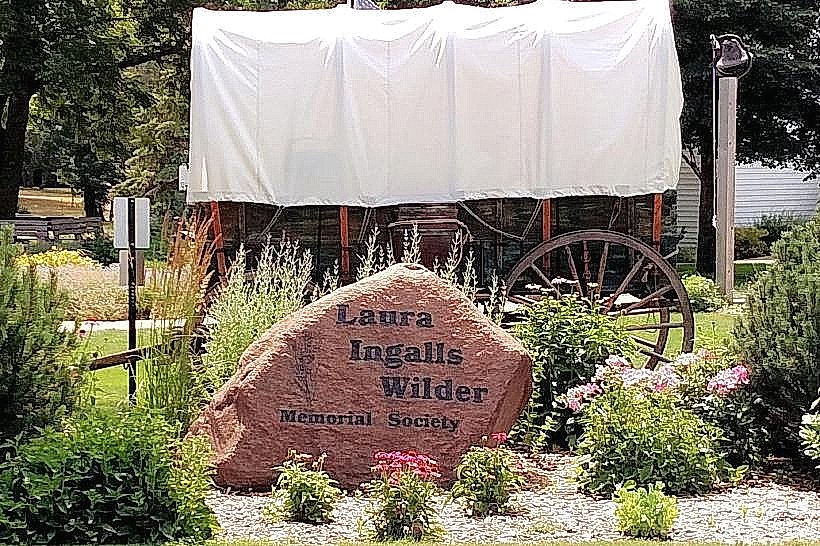
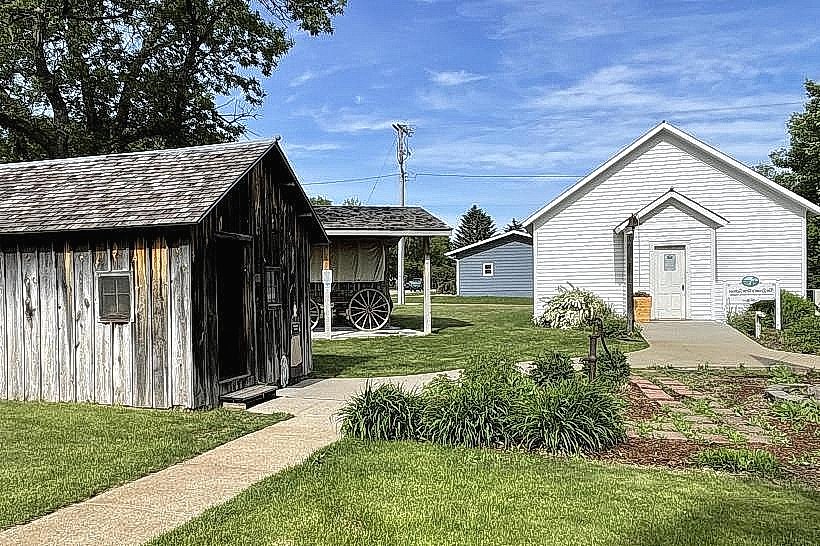
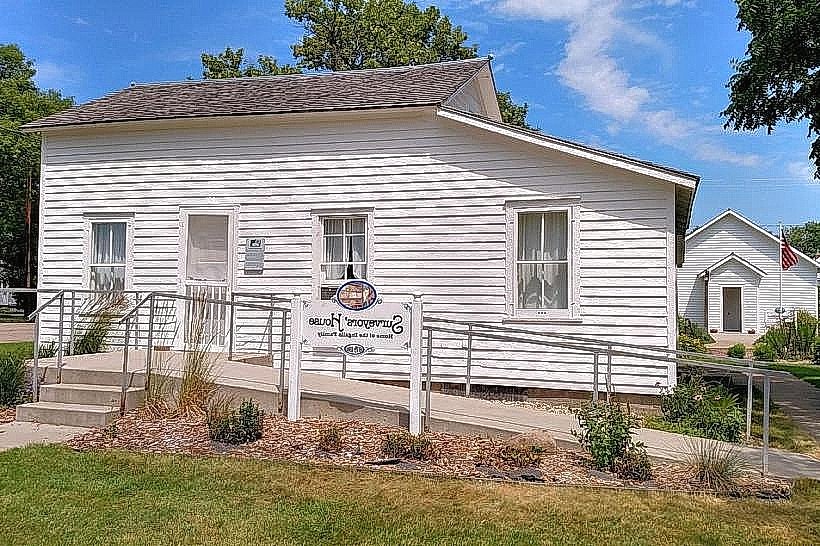
Tourist Attraction: Provides context for visitors exploring De Smet’s historic district and Laura Ingalls Wilder-related sites.
Community Engagement: Hosts events, presentations, and historical demonstrations that involve residents and visitors.
Heritage Preservation: Protects the historic depot structure while maintaining its interpretive function for future generations.
The museum bridges local history with broader themes of transportation and settlement in the American Midwest.
Visitor Experience
Visiting the Depot Museum offers a hands-on glimpse into the railroad era. Guests can walk through restored waiting rooms, observe historical artifacts, and imagine the daily bustle of passengers and freight activity. Photographs and interpretive materials provide vivid storytelling, while the preserved platform and adjacent tracks reinforce the sense of historical authenticity.
The museum also complements visits to other De Smet sites, allowing visitors to connect pioneer life, literary heritage, and transportation history in one experience.
Overall Impression
The Depot Museum is a vital historic and cultural site in De Smet, preserving the legacy of the town’s railroad era while educating visitors about regional development and pioneer life. Its combination of authentic architecture, historical artifacts, and interpretive displays makes it a compelling destination for those interested in transportation history, local heritage, and the interconnected stories of the prairie town.