service

Divača Cave | Skocjan


Information

Landmark: Divača Cave
City: Skocjan
Country: Slovenia
Continent: Europe

Divača Cave, Skocjan, Slovenia, Europe

Overview

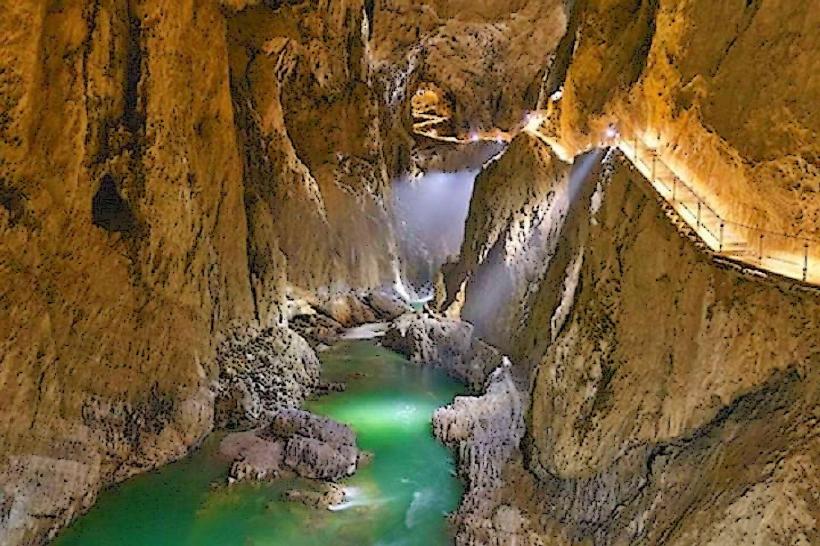
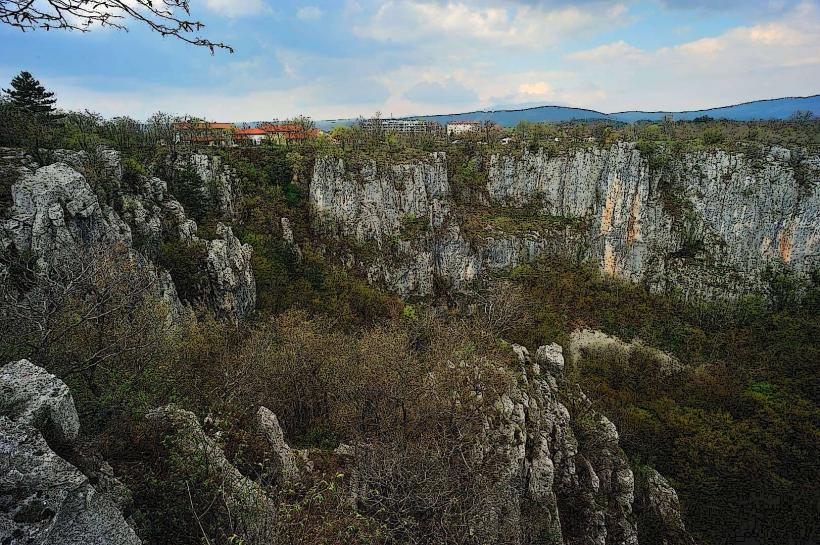
The Divača Cave (Slovene: Divjača jama) is a striking karst formation just outside the town of Divača in Slovenia, where the rocky edge of the Karst Plateau rises above the fields, also it’s part of the region’s vast web of underground limestone, celebrated for its breathtaking beauty and winding caves where cool air drifts through the dusky.Honestly, Divača Cave may not draw the same crowds as Slovenia’s famous Postojna or Škocjan caves, but it lets visitors step into a shadowy maze of karst formations and hidden underground life, not only that like many caves in the Karst region, Divača Cave took shape over millions of years as water slowly ate away at the limestone, carving passages the way a trickle can hollow out stone.When rain turns slightly acidic, it slowly eats away at the limestone below, carving out hollows, winding tunnels, and echoing chambers, and karstic Features: The cave boasts stalactites hanging like stone icicles, stalagmites rising from the floor, and smooth ripples of flowstone, all shaped over countless years.The cave vividly showcases the region’s karst hydrology, where water once carved twisting tunnels and echoing chambers through solid rock, moreover divača Cave may be smaller than some of Slovenia’s vast karst caverns, yet it still opens into an underground world of towering stone columns and echoing chambers.The cave’s size isn’t always recorded, but its narrow, winding passages and delicate stone arches are well known, furthermore flora and fauna underground: Like many caves in the Karst region, Divača Cave shelters unique species adapted to the cool, wet darkness, where pale crickets cling to the stone walls.Species like the proteus, or “human fish,” have evolved to thrive in the cave’s shadowy, freezing underground streams, after that bats flit through the cave, taking shelter in its cool, steady darkness, where they roost high on the stone walls and raise their young.These bats help keep the area’s insect numbers in check, snapping up moths and beetles in the dusk air, what’s more divača Cave may not draw the crowds that Slovenia’s famous caves do, but visitors can still reach it easily, following a winding road through quiet fields.You can join a guided tour that walks you past glittering rock walls while sharing the cave’s geology, its long history, and the surrounding wildlife, as a result most tours meander you through how karst landscapes form and why the region’s caves matter, from sheltering rare bats to filtering icy, clear water.Guided Tours: Like many Slovenian caves, this one offers guided visits-usually in Slovene-but during busy summer months, you might hear the guide switch to English or another language as footsteps echo softly off the stone walls, in turn tours usually run about an hour, though a modest, eager group might finish faster while pausing to snap photos along the way.Divača Cave sits just outside the town of Divača, an easy trip by car or a short ride on the local bus, furthermore the cave is one of several natural wonders in the Karst region, along with the Škocjan Caves and Postojna Cave, both just a short drive away through rolling limestone hills.Though Divača Cave is best known for its striking natural formations, archaeologists have uncovered artifacts there-stone tools and fragments of pottery-that reveal people once lived in the area, subsequently in the cave, researchers have uncovered stone tools and the weathered bones of ancient animals, remnants from a time long before history began.These findings shed light on the Karst region’s distant past, revealing how it shaped the rise of early human societies-like the way its limestone caves once sheltered compact bands of hunters, in addition in the Karst region, where towns like Divača sit above a maze of limestone tunnels, people have explored caves and studied the karst landscape for centuries, and these underground worlds still shape local traditions.Long ago, people turned to caves for rituals, a locale to sleep, or to stash grain in the cool dim, and they still stand as strong symbols of the region’s landscape and heritage, subsequently just 10 kilometers from Divača, you’ll find the Škocjan Caves-a UNESCO World Heritage Site where cool, echoing chambers stretch deep underground.From what I can see, These caves are bigger and better known, yet they share the same karst scenery-vaulted stone chambers echoing in the dusky and rivers that twist and rush far below ground, equally important postojna Cave, one of Europe’s biggest and busiest cave networks, lies just a short drive away, its cool, echoing tunnels stretching for miles underground.Thousands flock here each year for the rumble of a train ride deep into the cave and the sight of glittering rock formations, in conjunction with close by lies the Rakov Škocjan Valley, where you’ll find striking karst formations-shadowy caves, yawning sinkholes, and chilly streams that vanish underground.It’s a great spot to hike and take in the region’s one-of-a-kind scenery, from jagged cliffs to sunlit valleys, along with just a few miles from Divača, the Lipica Stud Farm is where the first Lipizzaner foals kicked up dust in the paddock.You can tour the historic farm, watch lively demonstrations, and smell fresh hay in the barn-perfect for a family day out, consequently the Divača Cave, along with other karst caves scattered across Slovenia, is part of a wider push to safeguard the fragile karst ecosystem, where cool, damp air drifts through chambers carved over centuries.The Slovenian government treats these caves as rare natural treasures and has put strict protections in location-limits on visitor numbers, for example-to guard them from crowd damage and environmental harm, to boot like other caves in Slovenia, this one welcomes visitors who tread lightly, following sustainable tourism practices to keep its fragile limestone formations intact for years to come, generally That means keeping visitor numbers low, using gentle, well-placed lighting, and closing off the most fragile parts of the cave, moreover in conclusion, the Divača Cave is a tucked-away treasure in Slovenia’s Karst region, where you can view the stone walls and winding passages that reveal the land’s natural history and the forces that shaped it.Believe it or not, It might not draw the same crowds as Slovenia’s best-known caves, but it’s a key spot to study the nation’s karst landscape, with soaring limestone walls, pockets of rare moss, and a rich past etched into the rock, along with whether you’re a seasoned spelunker or just curious about Slovenia’s wild beauty, stepping into Divača Cave surrounds you with cool, echoing chambers and offers a glimpse into one of Europe’s most extraordinary landscapes.
Author: Tourist Landmarks
Date: 2025-08-29


Location

Get Directions


Rate it

You can rate it if you like it


Share it

You can share it with your friends


Contact us

Inform us about text editing, incorrect photo or anything else

Contact us

Landmarks in Skocjan

Škocjan Caves
Landmark

Škocjan Caves

Skocjan | Slovenia
Matavun Village
Landmark

Matavun Village

Skocjan | Slovenia
Reka River
Landmark

Reka River

Skocjan | Slovenia
Risnik Collapse Doline
Landmark

Risnik Collapse Doline

Skocjan | Slovenia
Globocak Forest
Landmark

Globocak Forest

Skocjan | Slovenia


Latest Landmarks

Seria Energy Lab

Bandar Seri Begawan | Brunei

Savuti Marsh

Maun | Botswana

Francistown Golf Club

Francistown | Botswana

Moremi Gorge

Maun | Botswana

Tswapong Hills

Serowe | Botswana

Tourist Landmarks ® All rights reserved