Information
Landmark: Downtown Montpelier Historic DistrictCity: Montpelier
Country: USA Vermont
Continent: North America
Downtown Montpelier Historic District, Montpelier, USA Vermont, North America
The Downtown Montpelier Historic District forms the cultural and civic heart of Vermont’s capital city. Nestled in a narrow valley along the Winooski River and framed by low green hills, Montpelier’s downtown preserves the elegant architecture and human scale of a 19th-century New England town. Despite its small size, the district radiates civic importance, creativity, and community life-home to the Vermont State House, independent shops, cafés, and historic brick facades that have changed little in over a century.
Historic Background
Montpelier was designated the state capital in 1805, and its downtown soon developed around the needs of government, trade, and transport. Fires and floods reshaped the area several times during the 19th century, but local determination rebuilt it with brick, granite, and marble, giving the city its distinctive look. By the late 1800s, banks, hotels, and theaters lined State and Main Streets, establishing Montpelier as a compact yet sophisticated civic center.
Architecture & Streetscape
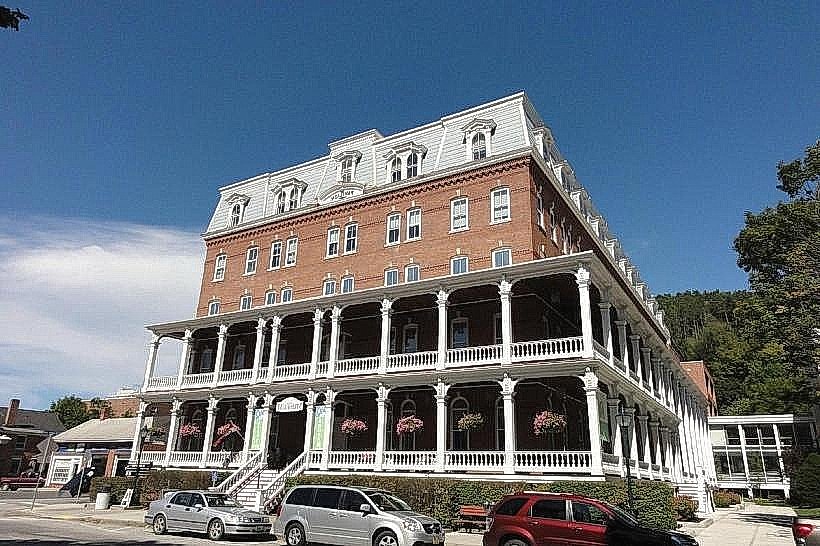
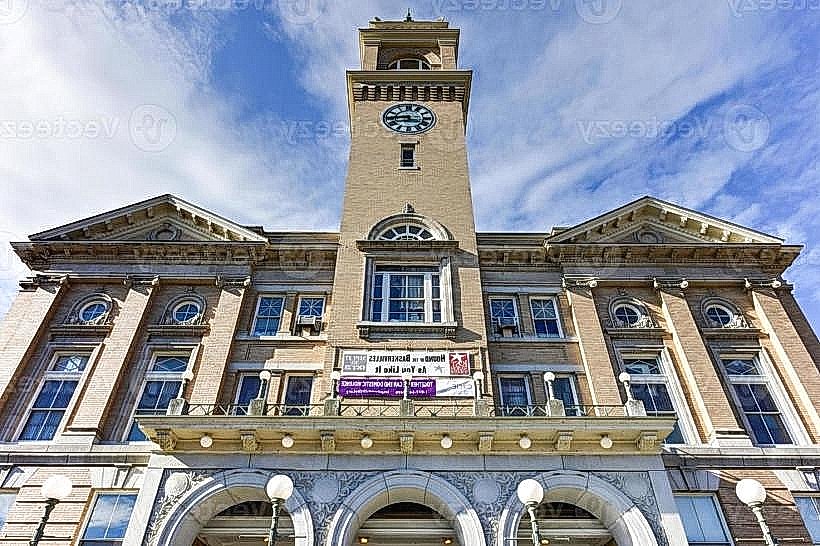
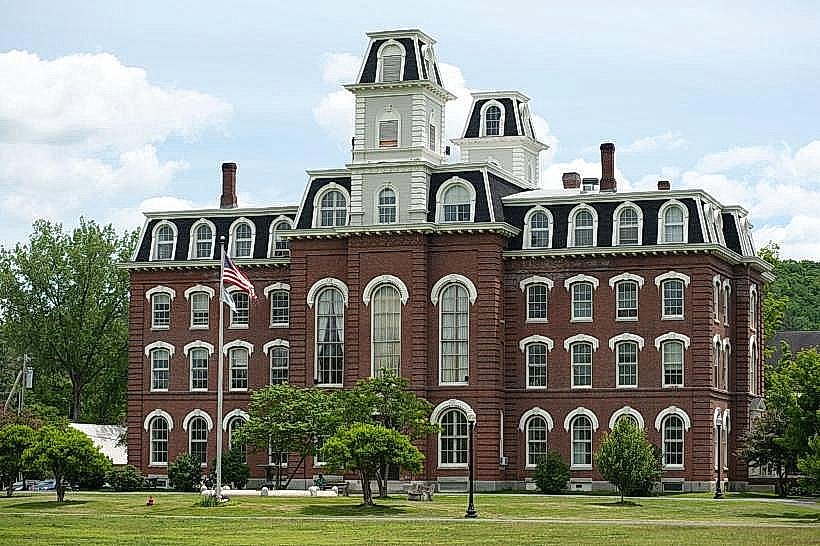
The district features an exceptional collection of Greek Revival, Italianate, and Victorian commercial buildings, many with elaborate cornices, arched windows, and stone detailing. The Kellogg-Hubbard Library, completed in 1895, stands as a local landmark of Richardsonian Romanesque design, while the City Hall and the Union Mutual Building exemplify the solidity of turn-of-the-century civic architecture. Narrow streets, cast-iron lampposts, and period signage contribute to the preserved ambiance.
Civic & Cultural Life
Montpelier’s downtown is a working civic center rather than a museum piece. Government offices, local businesses, and cultural institutions coexist within walking distance. Bookstores, bakeries, and craft shops fill ground-floor storefronts, while upper floors house studios and offices. Street festivals, parades, and the Capital City Farmers Market animate the area from spring through autumn, turning the historic streets into open-air gathering spaces.
State House Connection
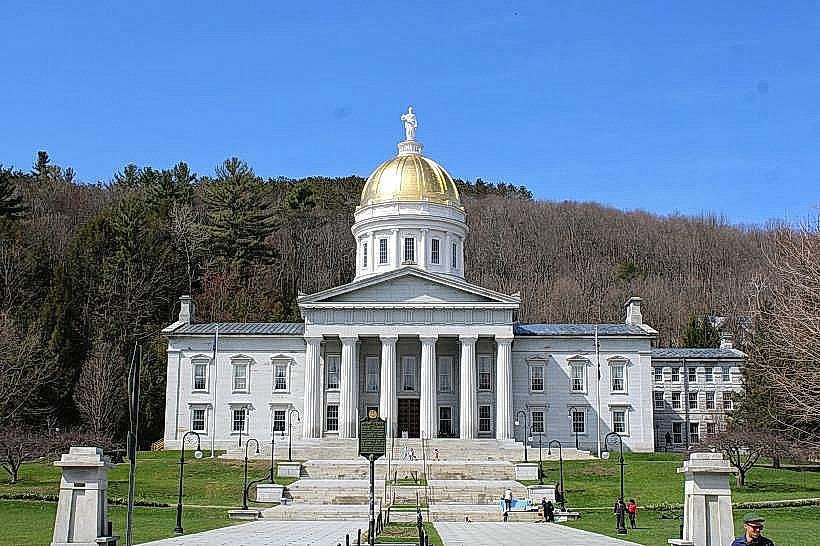
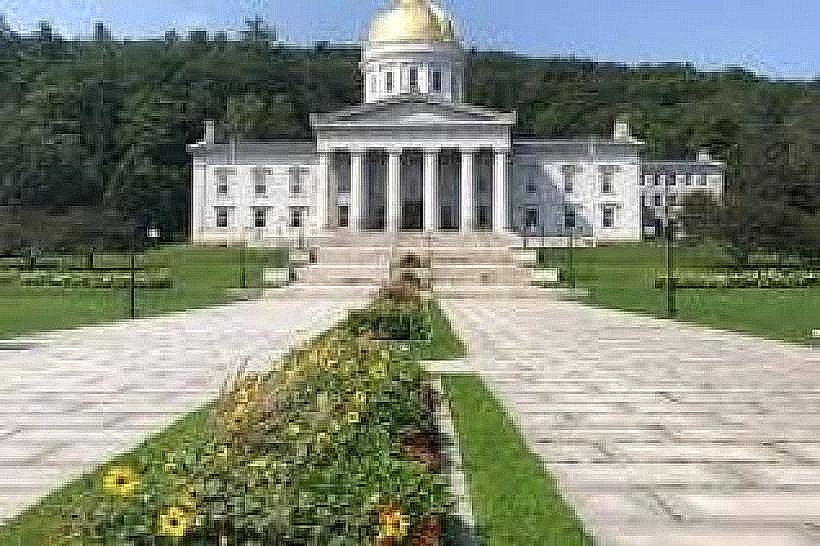
Just west of the commercial core, the Vermont State House rises above the district on State Street, linking the political and historic narratives of Montpelier. The flow of visitors, lawmakers, and residents between the golden-domed capitol and the downtown cafés or bookstores gives the city its unique blend of formal governance and everyday warmth.
Community Spirit
Montpelier’s small size fosters a strong sense of community ownership over its downtown. Local restoration efforts in recent decades have preserved façades and improved accessibility while maintaining authenticity. Many businesses are locally owned, reflecting Vermont’s tradition of independent enterprise. Even after severe flooding events-such as those that occasionally affect the Winooski River-the community has rebuilt and revitalized its historic heart with remarkable resilience.
Art, Food & Gathering Places
Art galleries, small theaters, and live-music venues infuse the district with creativity. Restaurants focus on farm-to-table dining, often sourcing ingredients from surrounding farms and dairies. In winter, lights twinkle across the snow-covered rooftops; in summer, window boxes overflow with flowers, and outdoor tables fill with conversation.
Essence of the District
The Downtown Montpelier Historic District captures the essence of Vermont’s capital-intimate, historic, and alive with civic pride. Its architecture tells the story of endurance and craftsmanship; its streets echo with democratic energy and neighborly familiarity. It remains one of the few American capitals where you can step from the halls of government directly into a small-town main street that feels timeless yet thoroughly lived in.