Information
Landmark: Drumlane AbbeyCity: Cavan
Country: Ireland
Continent: Europe
Drumlane Abbey, Cavan, Ireland, Europe
Overview
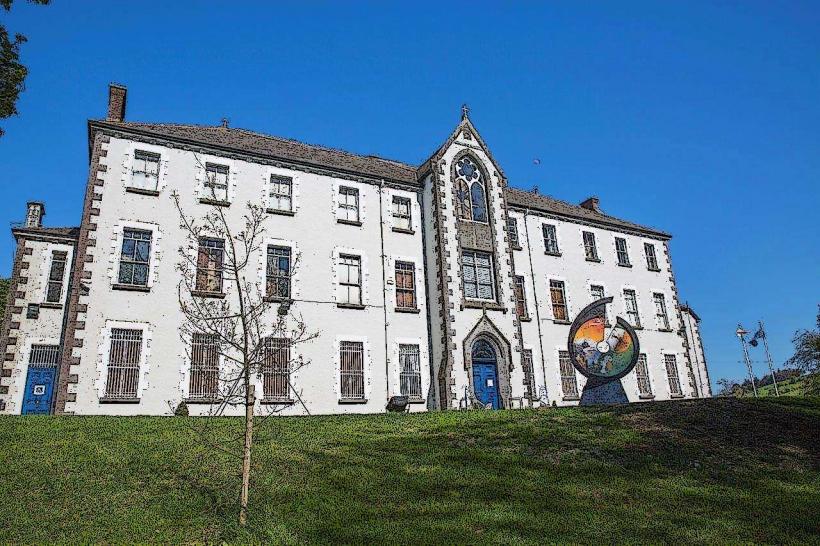
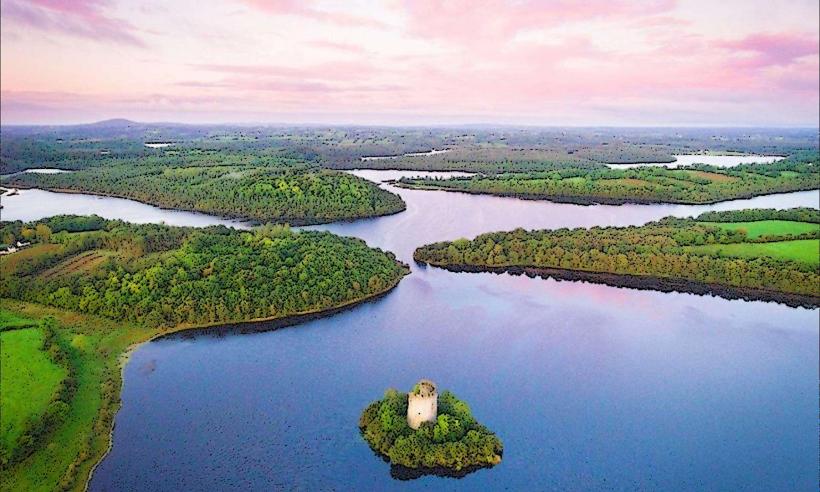
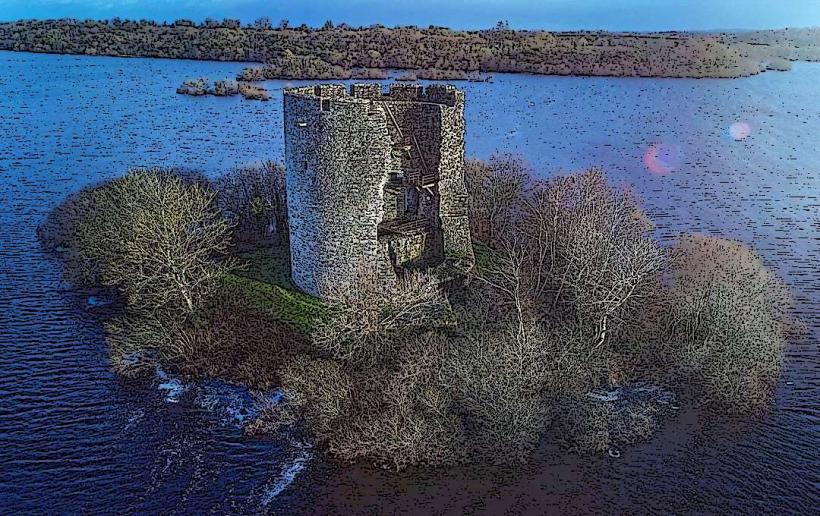
Drumlane Abbey, a centuries-heritage monastic site, stands just outside the village of Belturbet in County Cavan, Ireland, where the stone walls hold the chill of the wind, while this medieval ruin ranks among the region’s most notable landmarks, holding religious and cultural importance since the day its first stones were set.Number one, meanwhile drumlane Abbey traces its roots to the 6th century, when St. Mogue-also called Mochua of Balla-established it as part of his mission to spread early Christianity across Ireland, after that legend says St. It seems, Mogue founded the monastery here, a setting that grew into a vibrant hub of Christian learning and monastic life, at the same time rooted in the Celtic Christian tradition, the abbey thrived on self-sufficiency, long hours of prayer, and the steady rhythm of teaching in its stone-walled halls.Like many Irish monasteries, Drumlane Abbey once bustled with prayer, scholarship, and the hum of daily life in the early medieval era, also in the 9th and 10th centuries, Viking raiders struck its walls-a fate shared by countless monastic communities across Ireland.Though it suffered repeated attacks, it still served as a vital hub for worship and culture, its crumbling Romanesque church walls rising from the ruins of Drumlane Abbey, therefore though much of the church now lies in ruin, you can still perceive the sturdy stone arches over its doorways and the tall, narrow window frames shaped by medieval Irish hands.Rising nearby, the round tower stands as Drumlane Abbey’s most striking landmark, a familiar silhouette in early Irish monastic sites, what’s more people often used these towers to store goods, ring out the bells, and shelter inside when attackers closed in.Frankly, The round tower at Drumlane Abbey rises about 30 feet, a striking stone pillar that shows just how remarkable this kind of structure can be, also one of the site’s best-preserved features, it gives visitors a real feel for the abbey’s original size.Nearby, an classical graveyard holds rows of weathered tombstones, each marking the resting venue of someone who once belonged to the community, in conjunction with weathered tombstones lean in the grass, some carved centuries ago, yet the graveyard still welcomes fresh burials.Drumlane Abbey once thrived as a monastic center, where monks followed the Benedictine-or a similar-rule in their daily lives, then it was likely a venue where people studied scripture, prayed in the dim glow of candlelight, and worked, all helping spread Christianity across Ireland.Drumlane Abbey probably stood at the heart of the region’s Christianization in the early medieval era, and-like many Irish monasteries-it may have spent long hours crafting illuminated manuscripts, their pages sparkling with gold leaf and deep blue ink, moreover during Europe’s so‑called “gloomy Ages,” the abbey thrived as a hub of learning, where monks bent over parchment by candlelight, copying sacred texts to safeguard knowledge.In medieval times, places like Drumlane Abbey also drew pilgrims from far and wide, all seeking blessings, spiritual comfort, or the hope of a cure, as a result the abbey’s link to St. Mogue, a revered figure in the Irish church, likely drew pilgrims seeking his blessing, furthermore by the late Middle Ages, however, Drumlane Abbey-like many others-began to fade under the weight of Viking raids, Norman advances, and, in the 16th century, the harsh Dissolution of the Monasteries imposed by the English Crown.During this period, many Irish religious houses shut their doors or found current uses, and Drumlane Abbey fell silent, in addition for centuries after, it lay overgrown and overlooked, until it was finally recognized as a local heritage site.It never became a major tourist spot, but its rich history and the quiet beauty of its surroundings have made it a locale worth noting, meanwhile drumlane Abbey sits just outside Belturbet in northern County Cavan, a short drive from the border with County Fermanagh.The abbey sits in a quiet stretch of countryside, where green fields roll out behind its weathered stone walls, in addition visitors can reach it easily, yet it feels tucked away-perfect for anyone wanting to wander through Ireland’s monastic past without the bustle.The site’s open to everyone, offering a rare chance to step into Ireland’s early Christian past, also there aren’t any massive visitor facilities-just weathered stone walls and a quiet sense of history that lingers as you wander the ruins.The site’s round tower, crumbling church walls, and quiet graveyard let you feel the past in your bones, simultaneously some visitors might be drawn to the rich local heritage around Drumlane Abbey, where weathered stone walls tell part of Ireland’s wider Christian story.Just up the River Erne, the minute town of Belturbet offers its own slice of history, what’s more after wandering through Drumlane Abbey, visitors can stroll into the nearby town, where a quiet street might smell faintly of turf smoke, and get a feel for rural life in County Cavan.Interestingly, The county brims with history, from weathered stone ruins to rolling green hills and ancient archaeological sites, in conjunction with not far from here, you’ll find Cavan Town, the ancient railway station in Belturbet, and dozens of clear, quiet lakes where anglers cast lines and compact boats drift in the sun.Drumlane Abbey, though often overlooked, is a significant monastic site in County Cavan, giving visitors a rare glimpse into Ireland’s early Christian roots, alternatively the round tower rises beside crumbling church walls and a moss-covered graveyard, all standing in quiet witness to the bustling monastic life that once filled this spot, somewhat Whether you’re drawn to history, enchanted by Irish heritage, or just eager to wander quiet, hidden corners of the countryside, Drumlane Abbey offers an experience that stays with you, after that with its rich history, quiet grounds, and stone walls still standing strong, it’s a stop worth making for anyone drawn to Ireland’s medieval past.
Author: Tourist Landmarks
Date: 2025-08-26