Information
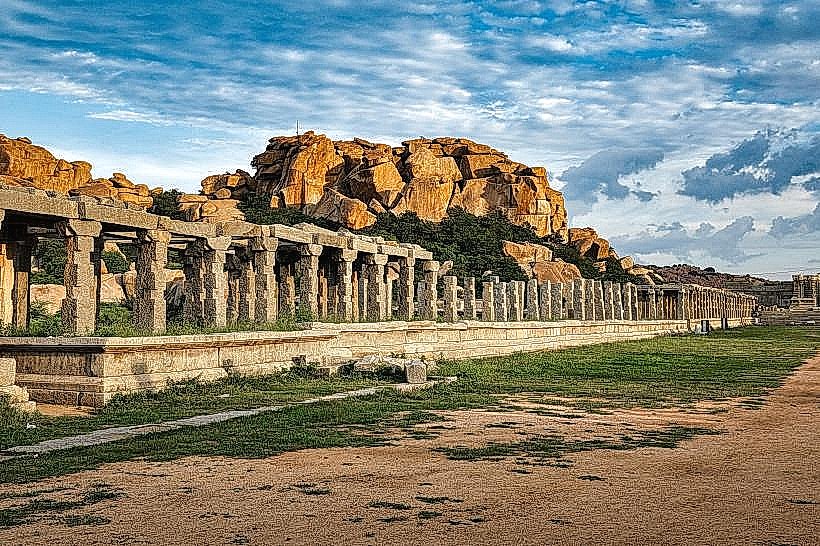
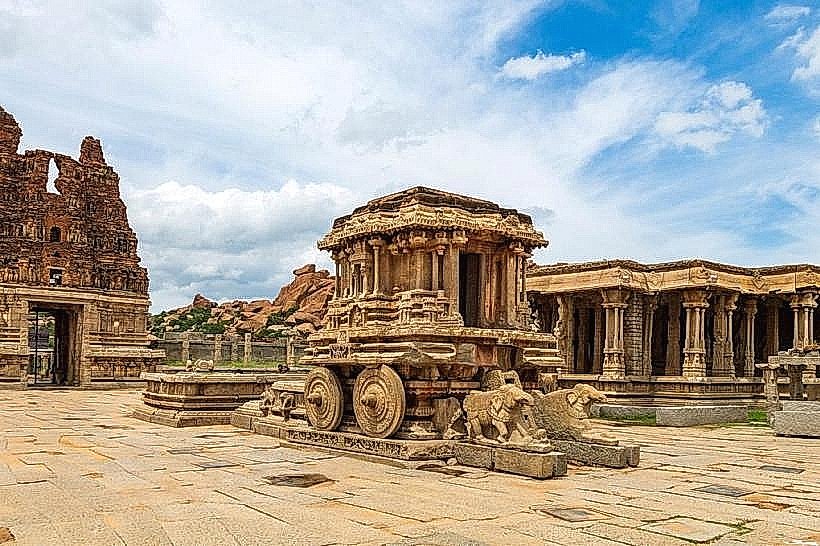
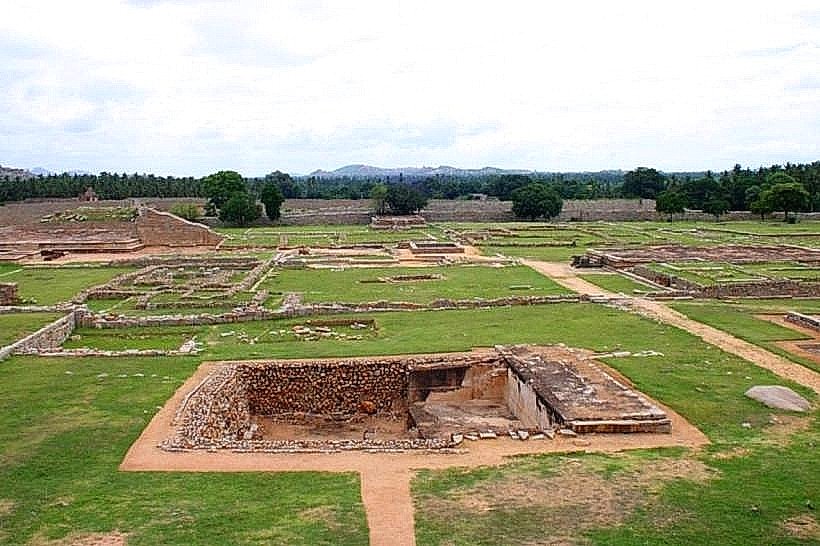
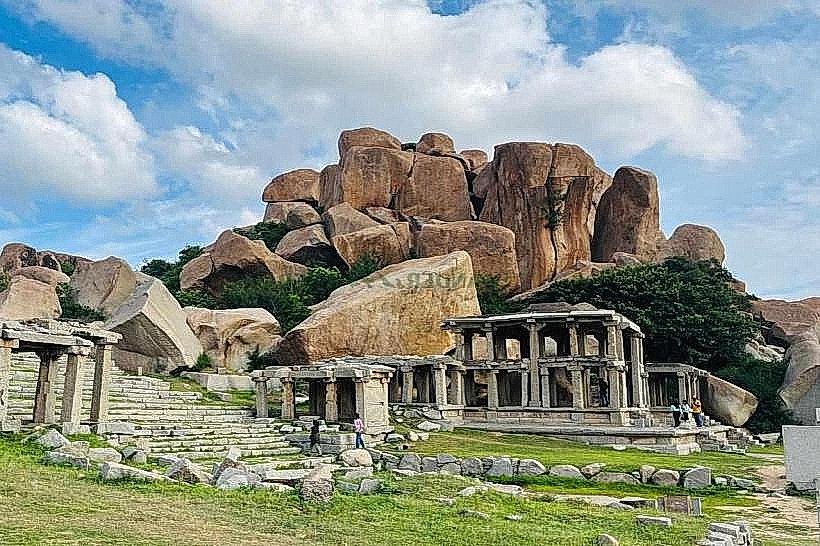
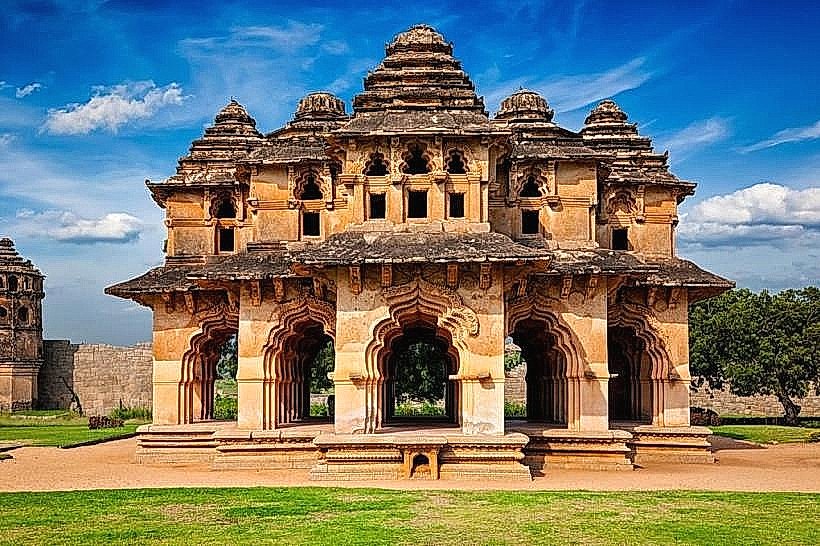
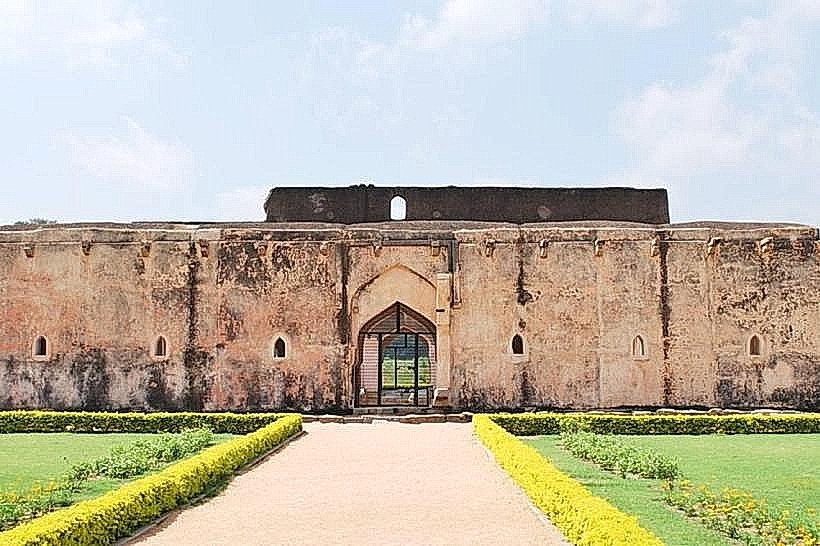
Landmark: Elephant StablesCity: Hampi
Country: India
Continent: Asia
Elephant Stables, Hampi, India, Asia
Eklingji Temple is a Hindu temple complex dedicated to Lord Shiva, located in the village of Kailashpuri, approximately 22 kilometers north of Udaipur, Rajasthan, India.
Visual Characteristics
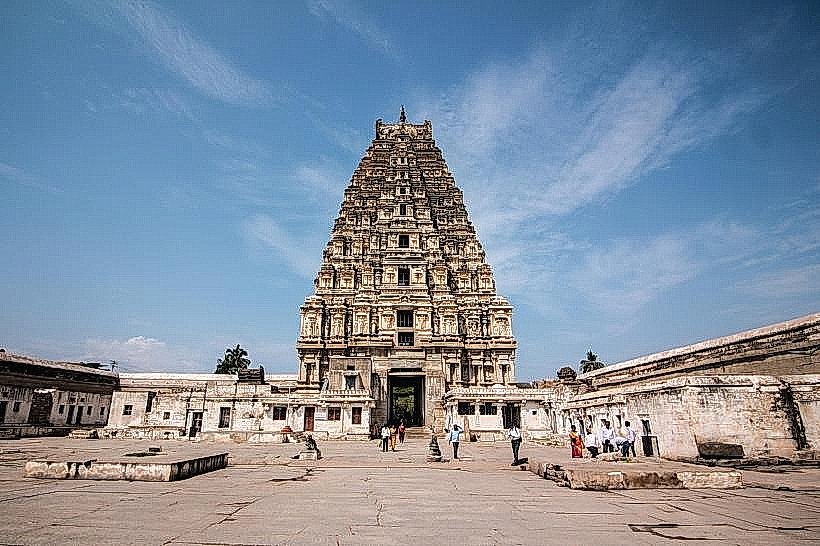
The main temple, dedicated to Eklingji (a form of Lord Shiva), is constructed from white marble and sandstone. It features a multi-storied spire (shikhara) and is surrounded by a series of smaller shrines. The complex is enclosed by a high stone wall. The idol of Eklingji is a four-faced image carved from black stone, representing the four aspects of Shiva.
Location & Access Logistics
The temple is situated on National Highway 48 (NH 48), formerly NH 8, connecting Udaipur to Ajmer. It is approximately 22 kilometers from the center of Udaipur. Ample parking is available at the site. Regular local buses operate from Udaipur's main bus stand to Eklingji. Auto-rickshaws and taxis are also readily available.
Historical & Ecological Origin
The original temple is believed to have been constructed in 734 AD by Bappa Rawal, the founder of the Mewar dynasty. The current structure is largely a reconstruction and renovation, with significant additions and repairs undertaken by various rulers of Mewar over centuries, notably Maharana Raimal in the 15th century. The temple is built on a site of religious significance for Shaivism.
Key Highlights & Activities
Visitors can observe the architecture of the main temple and the surrounding smaller shrines. Photography is permitted in the outer courtyards but not inside the sanctum sanctorum. Devotees can participate in daily aarti (prayer ceremonies). The temple complex also houses a sacred tank.
Infrastructure & Amenities
Restrooms are available within the temple complex. Shade is provided by the temple structures and surrounding trees. Cell phone signal (4G/5G) is generally good in the area. Small food stalls and shops selling religious items are located outside the temple gates.
Best Time to Visit
The best time of day for photography is during the early morning or late afternoon when the light is softer. The ideal months to visit are from October to March, when the weather is cooler and pleasant. The temple is open year-round.
Facts & Legends
It is said that the original temple was built in a single night. The deity Eklingji is considered the ruling deity of the Mewar region, and historically, the rulers of Mewar acted as his regents. A unique feature is the silver image of Nandi (the bull vahana of Shiva) facing the main shrine.
Nearby Landmarks
- Nagda (Sas Bahu Temple): 1.5km Northwest
- Shobhaagpura: 5km South
- Udaipur City Palace: 22km South
- Saheliyon Ki Bari: 21km South
- Lake Pichola: 23km South