Information
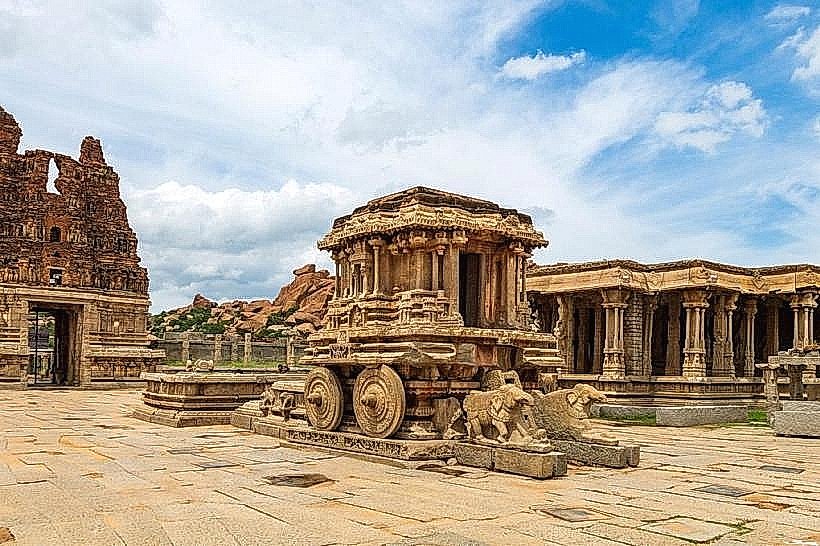
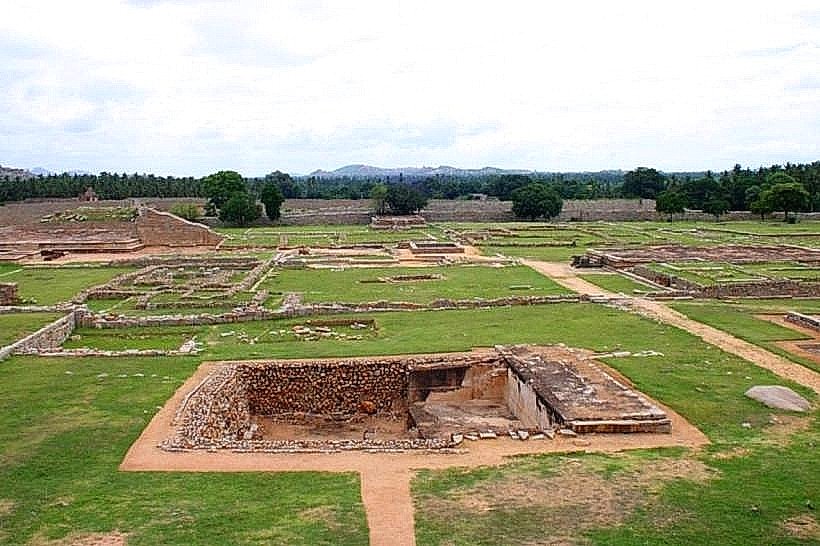
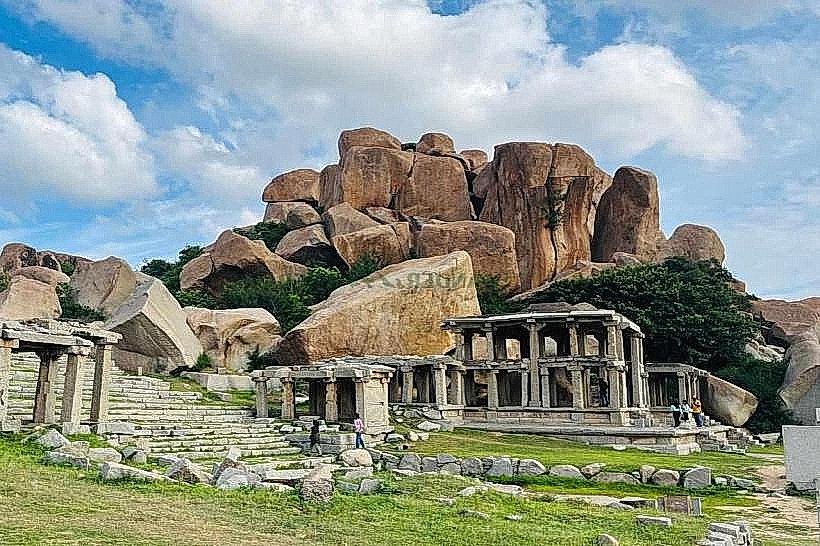
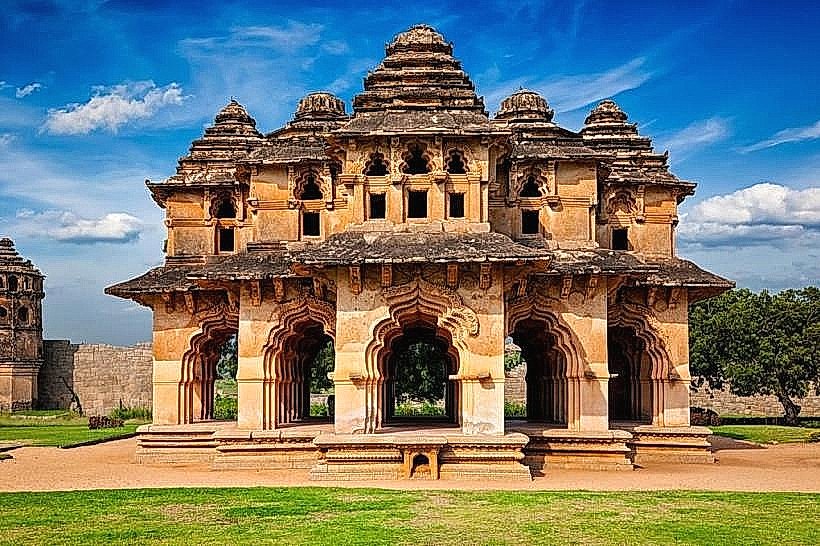
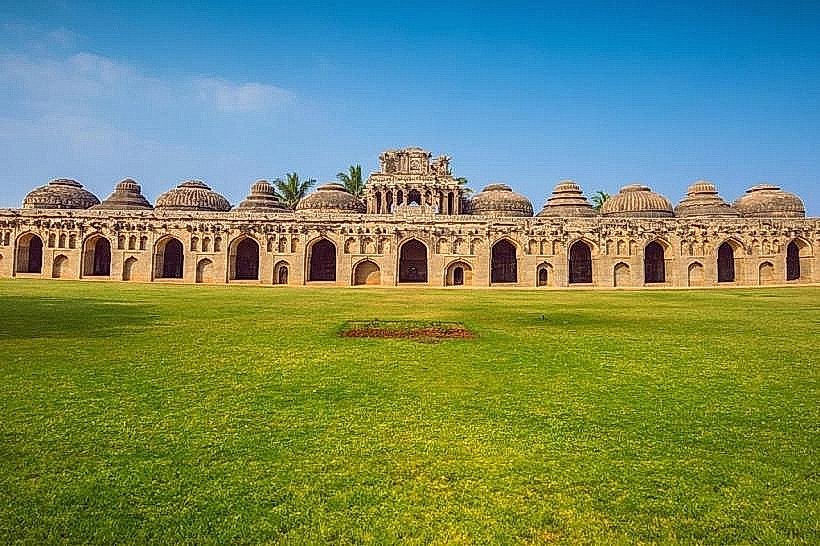
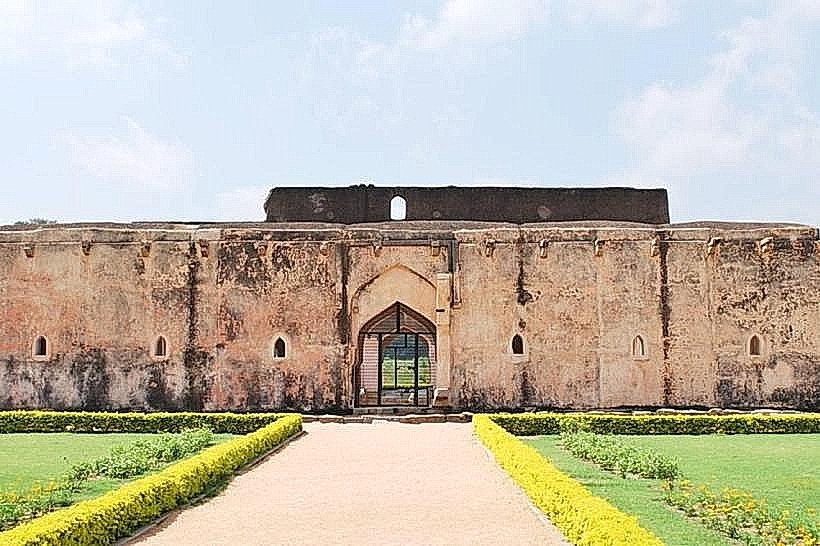
Landmark: Hampi BazaarCity: Hampi
Country: India
Continent: Asia
Hampi Bazaar, Hampi, India, Asia
Sanganer is a town located approximately 16 kilometers south of Jaipur, India, known for its historical significance and traditional crafts.
Visual Characteristics
The town features a mix of older, traditional Rajasthani architecture with sandstone structures and more modern buildings. The dominant color palette includes earthy tones of sandstone and terracotta, with accents of painted facades. The landscape is generally flat, with scattered trees and agricultural fields surrounding the main settlement.
Location & Access Logistics
Sanganer is accessible via National Highway 48 (NH 48), formerly NH 8, which connects Jaipur to Ajmer. The turn-off for Sanganer is clearly marked from the highway. Travel time from Jaipur city center is approximately 30-45 minutes depending on traffic. Ample parking is available in designated areas within the town, particularly near the main craft workshops and the temple complexes. Local buses, such as routes 10, 11, and 12, operate frequently from Jaipur's Sindhi Camp bus station to Sanganer.
Historical & Ecological Origin
Sanganer's origins trace back to the 11th century, with significant development occurring under the Kachwaha rulers of Amber. It was established as a fortified town and a center for trade and religious activities. The town is situated on alluvial plains, part of the larger semi-arid ecosystem of Rajasthan.
Key Highlights & Activities
Visitors can observe and purchase handmade paper products, block-printed textiles, and pottery directly from the artisans' workshops. The Shri Digambar Jain Mandir, a 10th-century Jain temple complex, is a significant religious site with intricate carvings. Exploring the narrow lanes to witness the traditional craft processes is a primary activity.
Infrastructure & Amenities
Basic public restrooms are available near the main temple and market areas. Shade is provided by awnings over market stalls and within temple courtyards. Cell phone signal (4G) is generally reliable within the town. Small local eateries and tea stalls offer refreshments; however, formal restaurants are limited.
Best Time to Visit
The best time to visit Sanganer for comfortable weather is between October and March. Mornings between 9:00 AM and 11:00 AM offer good natural light for observing craftwork without the peak midday sun. The dry season is generally preferred.
Facts & Legends
Sanganer is renowned for its unique handmade paper industry, which uses recycled cotton rags. A specific tip for visitors is to look for the "Sanganeri print" mark on textiles, which signifies authentic block printing originating from this town.
Nearby Landmarks
- Shri Digambar Jain Mandir (within Sanganer)
- Jagat Shiromani Temple (7.5km Northwest)
- Amber Fort (10km Northwest)
- Jaigarh Fort (12km Northwest)
- Nahargarh Fort (15km Northwest)