Information
Landmark: Fatu HivaCity: Marquesas Islands
Country: French Polynesia
Continent: Australia
Fatu Hiva, Marquesas Islands, French Polynesia, Australia
Overview
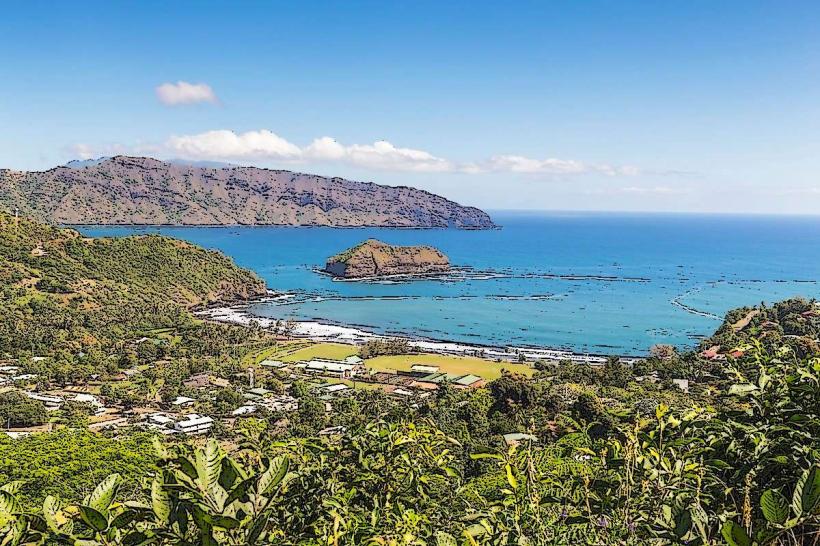
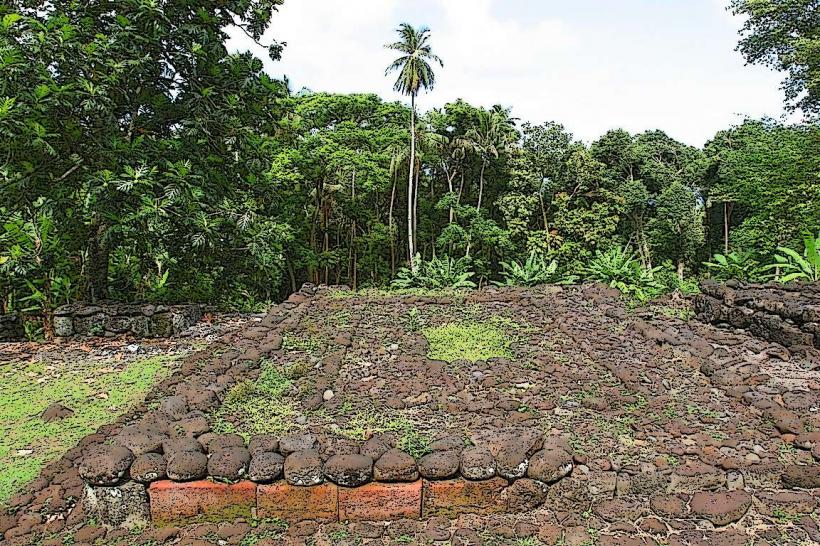
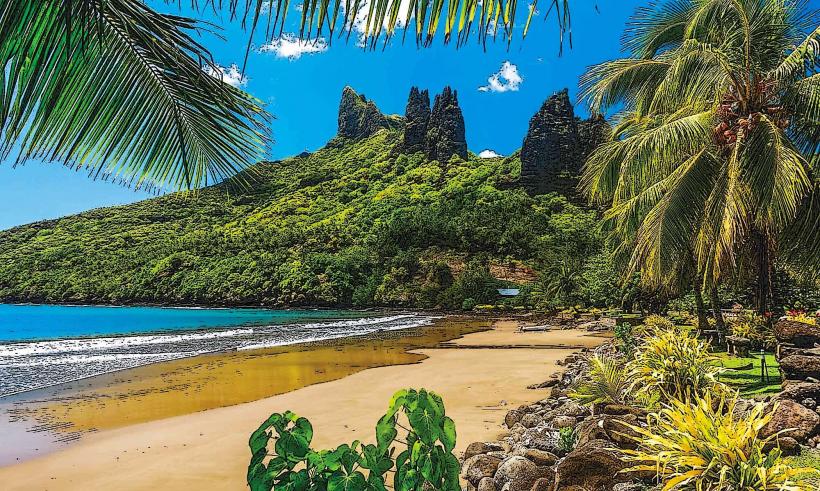
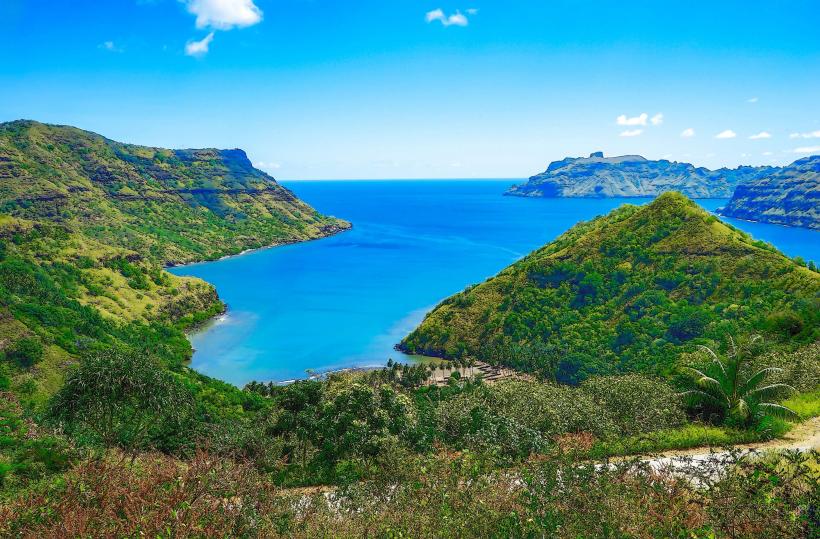
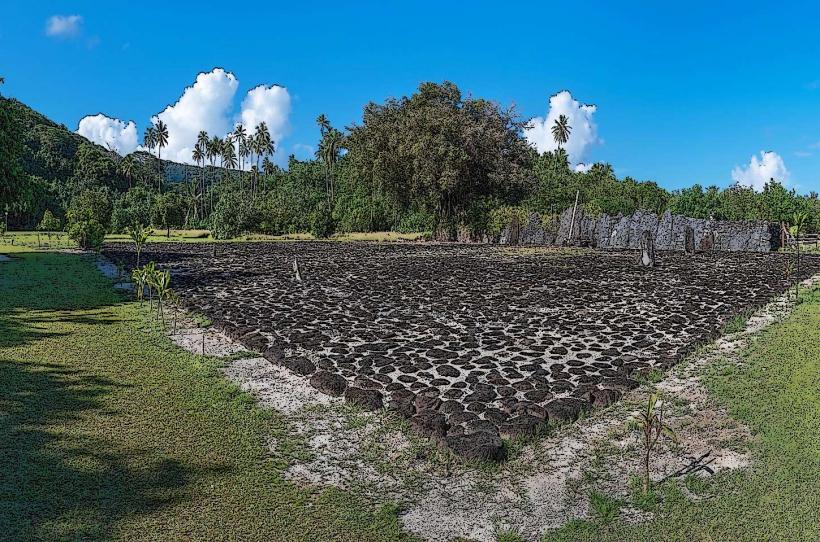
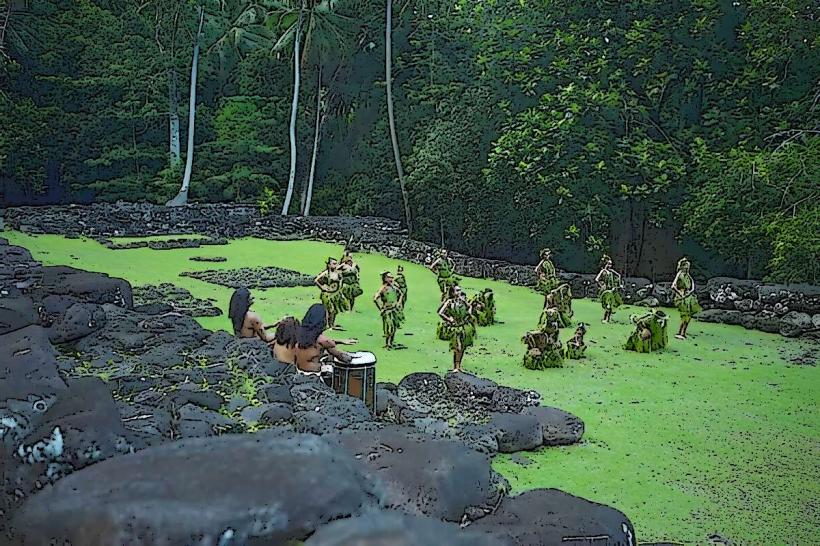
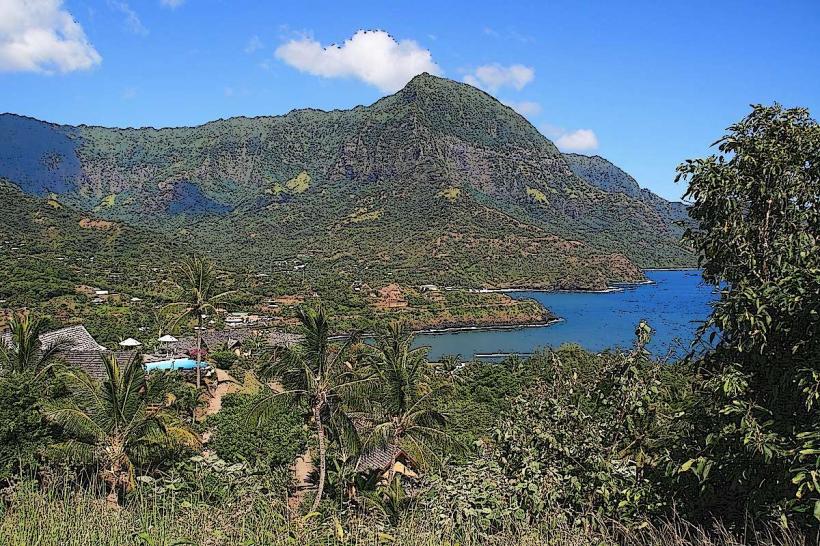
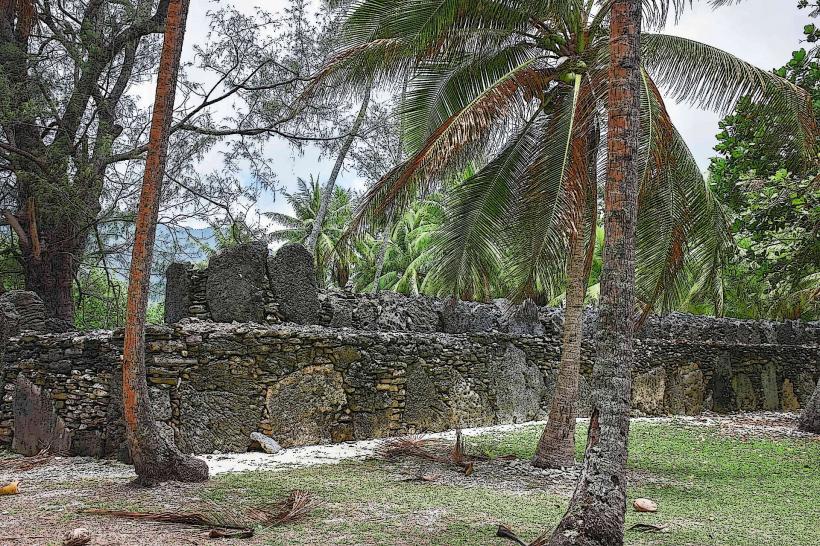
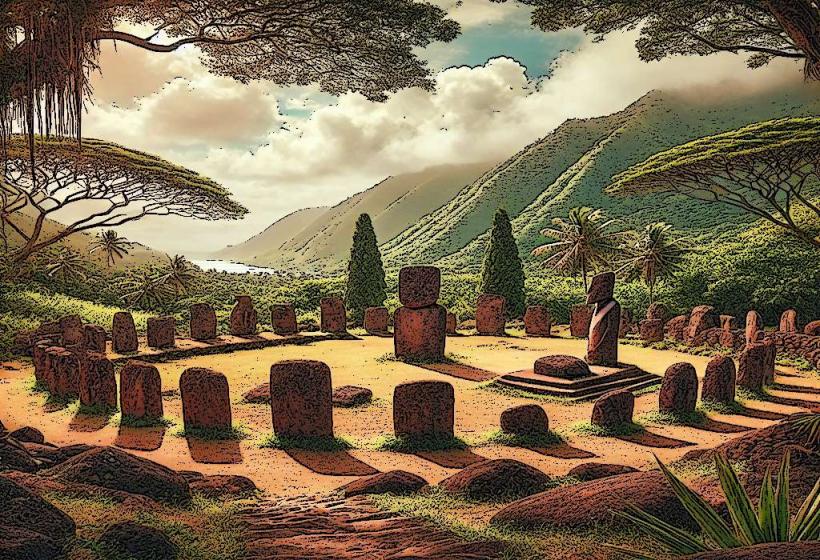
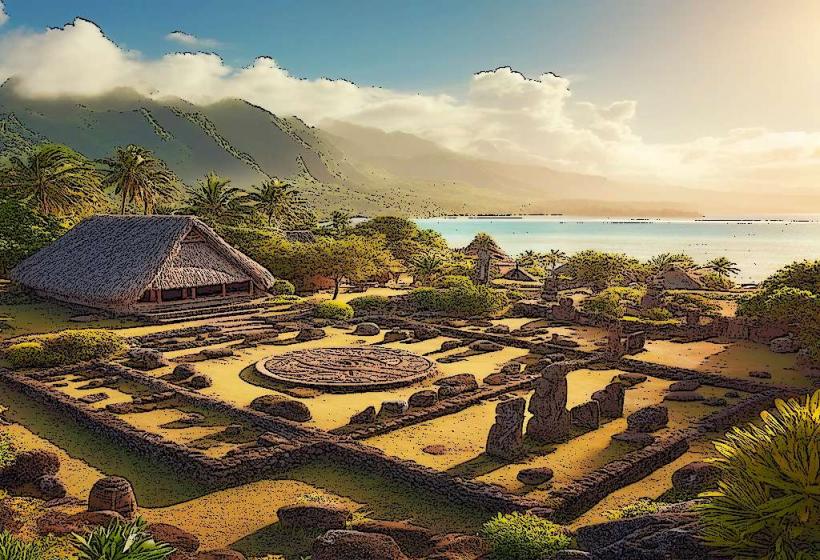
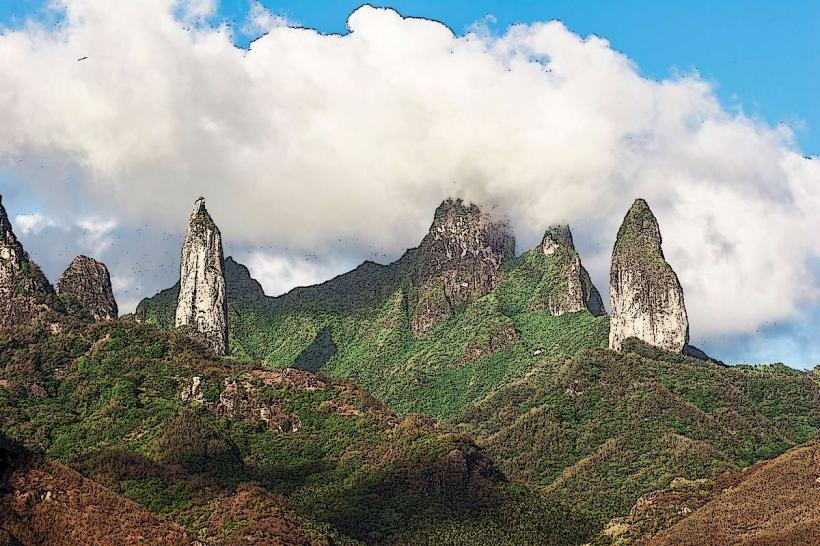
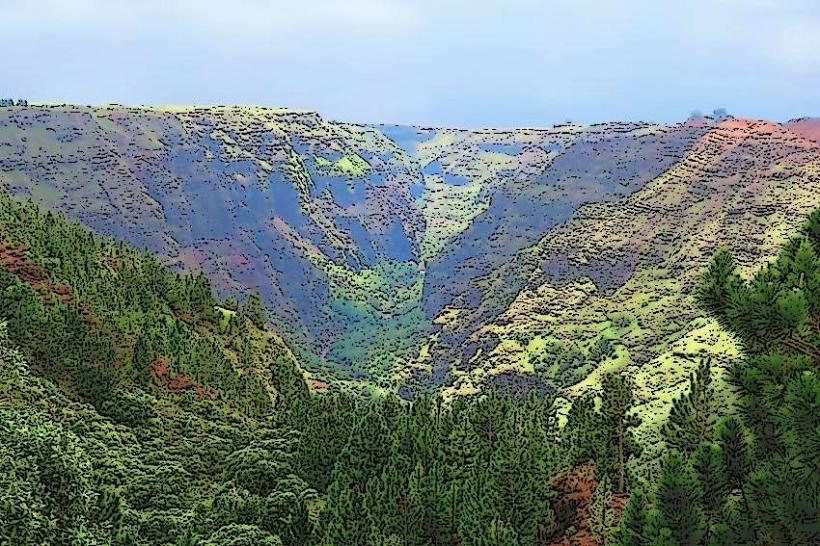
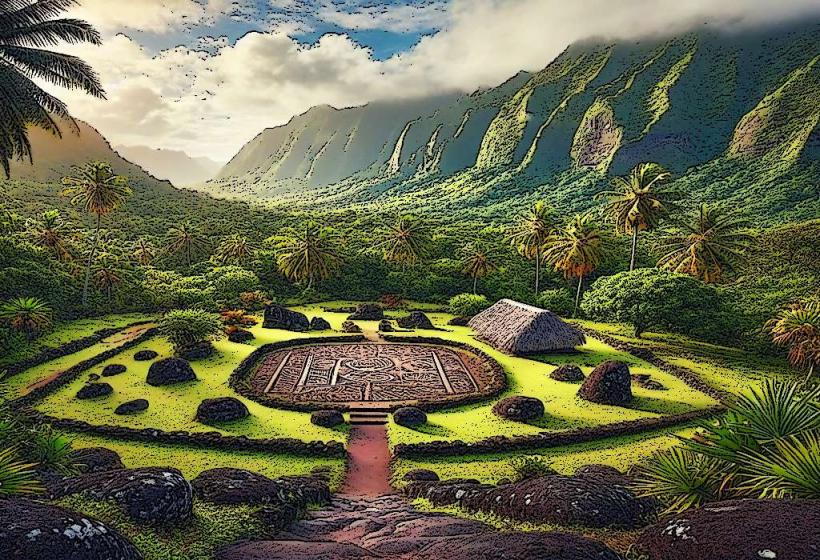
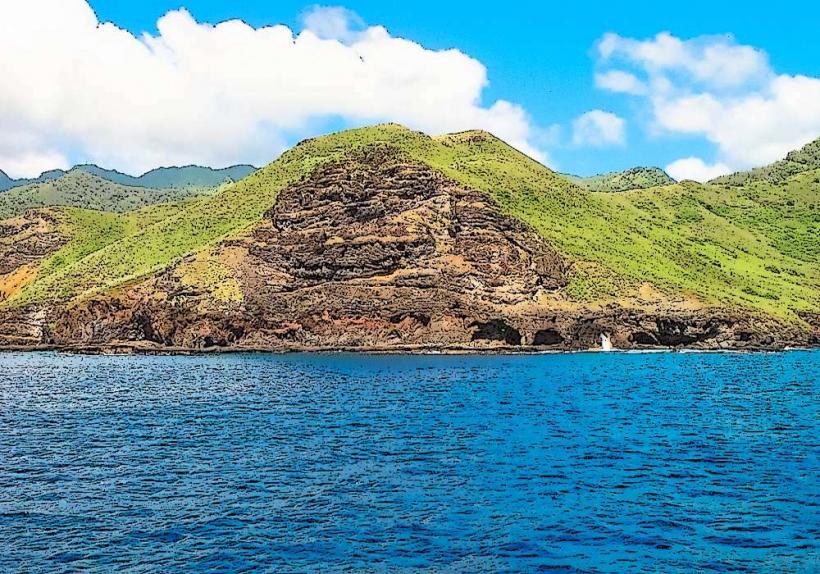
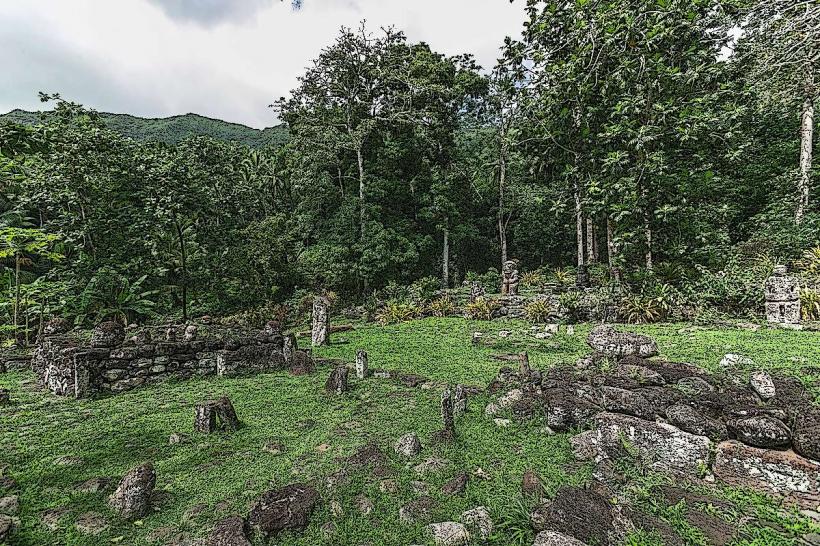
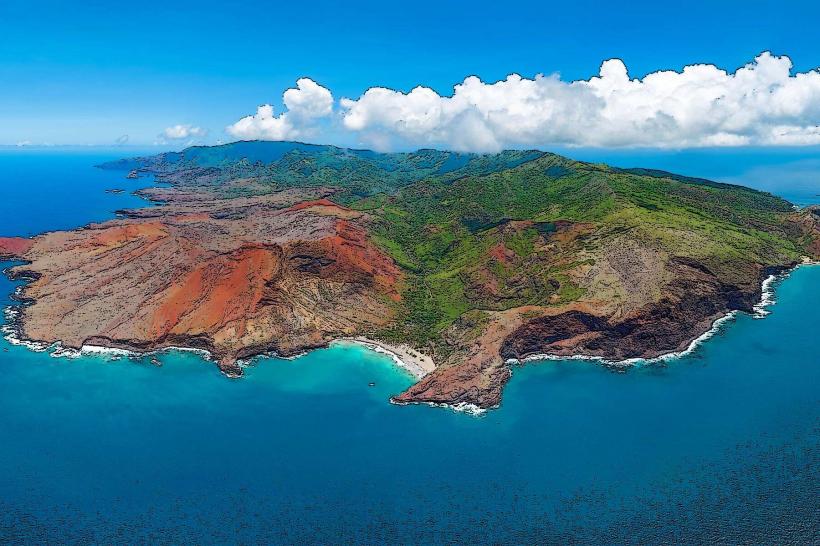
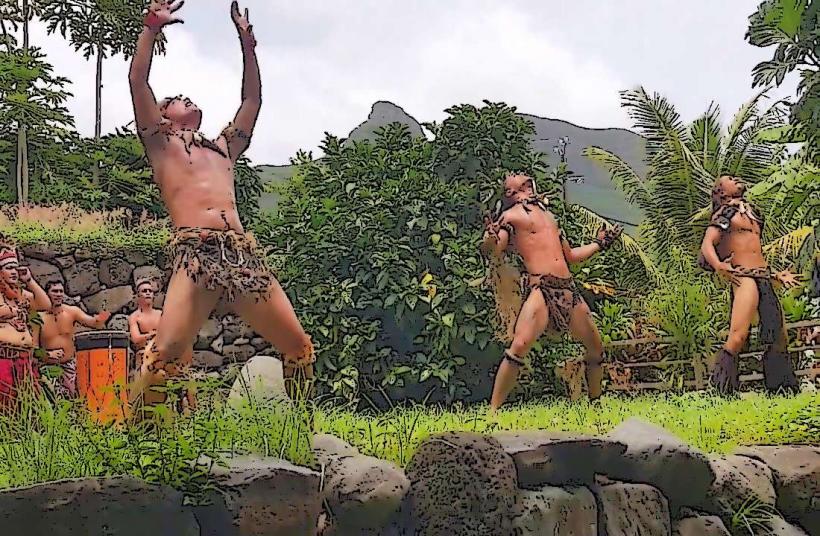
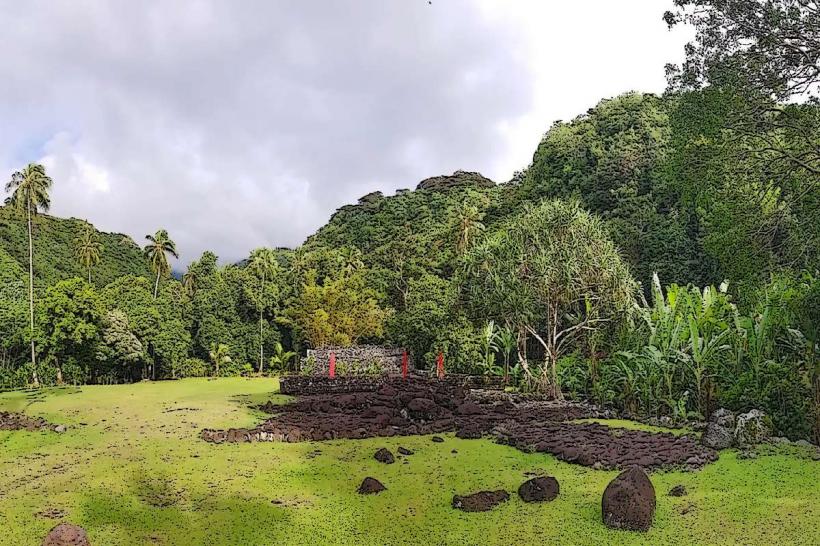
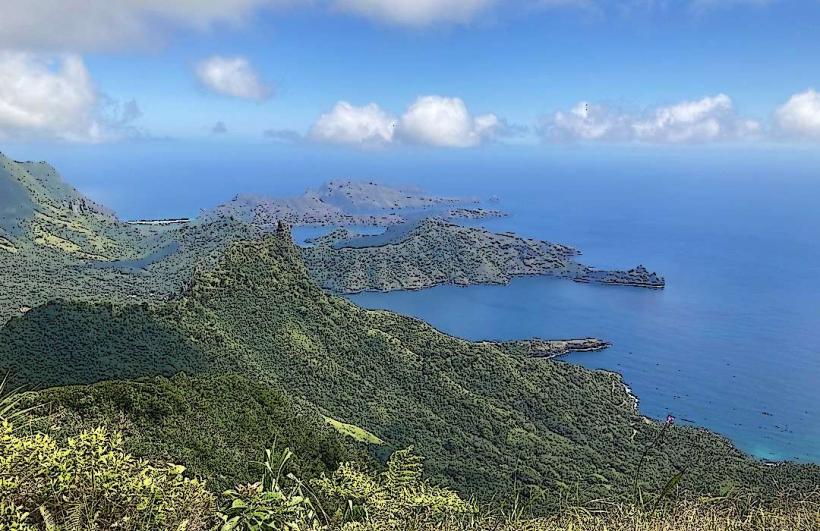
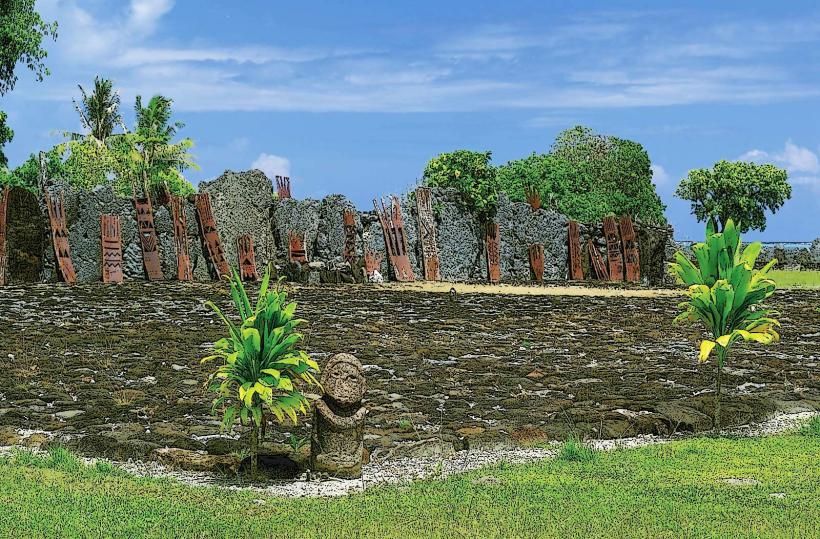
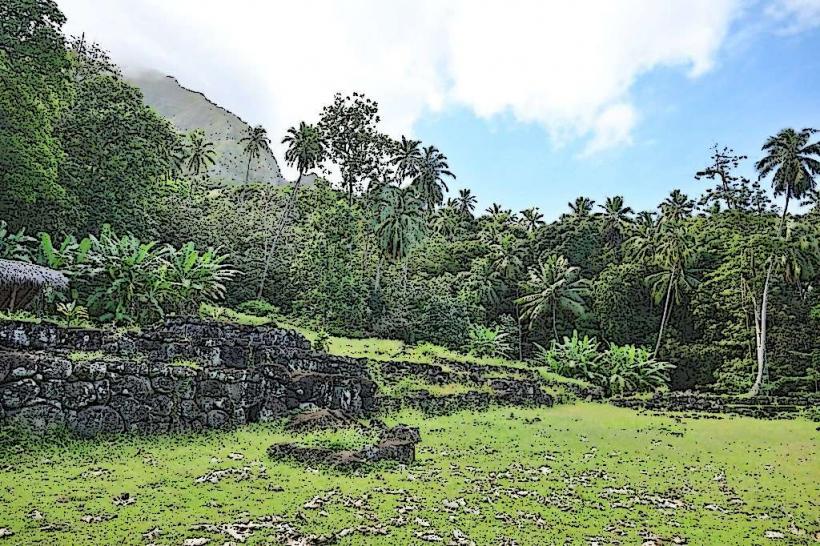
Fatu Hiva sits far from anywhere, a hidden gem in the Marquesas Islands of French Polynesia, where steep green cliffs drop into turquoise water, meanwhile this is the Marquesas’ southernmost island, famous for its jagged cliffs, deep cultural roots, and untouched beauty that smells faintly of salt and wild flowers.Fatu Hiva sits in the far southeast of the Marquesas Islands, about 100 kilometers (62 miles) south of Hiva Oa, making it one of French Polynesia’s most remote spots, and covering roughly 85 square kilometers (33 square miles), it’s home to only a few hundred people, most of whom live in the quiet main village of Hanavave.Steep volcanic peaks rise above green valleys, and sheer cliffs plunge straight into the deep blue Pacific, and born from volcanic fire, the island rises with jagged ridges, plunging ravines, and waterfalls that crash into mist below.Mount Fujimo, the island’s highest peak, rises to about 1,245 meters (4,085 feet), on top of that jagged ravines cut through the land, and the Bay of Virgins-quiet and ringed by sheer cliffs-lies hidden like a secret at the water’s edge.Many say this bay is among the most radiant in the Marquesas, with water the color of deep turquoise, along with fatu Hiva’s deep ravines, thick with rain-soaked tropical forests, shelter a rich mix of plants found nowhere else-towering trees, vivid blossoms, and delicate ferns among them.Fatu Hiva teems with unique wildlife, from the soft gray plumage of the Marquesas pigeon to the flash of a red-tailed tropicbird overhead, and its waters brim with diverse marine life, then it’s also one of the few places where traditional Marquesan culture still thrives.The islanders speak Marquesan, a Polynesian language, and still practice traditions handed down for centuries-tattooing intricate patterns, carving wood and stone, and making tapa cloth from softened bark, therefore the island’s history lives on in its ancient sites, where weathered stone platforms and structures mark it as an critical early settlement.For centuries, the Marquesan people have called Fatu Hiva home, their traditions still woven tightly with the island’s lush valleys and rugged cliffs, in addition today, only a miniature community remains, most of them settled in Hanavave, a quiet village on the western shore, for the most part Life on Fatu Hiva moves at a gentle, traditional pace, with locals tending taro gardens, casting nets into the sea, and crafting intricate wood carvings, meanwhile reaching this remote island means arriving by boat or a minute plane from places like Hiva Oa, since there’s no airport here.A handful of simple guesthouses, often run by welcoming families, offer a destination to rest, therefore for adventurous travelers, the island’s steep green cliffs and untouched valleys make it a favorite for hiking and exploration.It’s easy to spend a day hiking-one trail leads to the Bay of Virgins, another to hidden waterfalls, and others to sweeping viewpoints where the wind smells of salt, likewise this island’s ideal if you’re after something rare and off the tourist map.You’ll find intricate wood carvings in open-air workshops and artisans etching traditional Marquesan tattoos alongside gleaming handmade jewelry, not only that on Fatu Hiva, visitors can dive into island culture by chatting with local artisans and watching their hands shape wood or weave vibrant cloth.Tucked far from the beaten path, this remote gem blends jagged cliffs, deep-rooted traditions, and a rare window into life in one of the planet’s most secluded corners, in conjunction with it’s still a venue where traditional Polynesian customs mingle easily with modern life, like the sound of drums carrying over the hum of passing scooters.
Author: Tourist Landmarks
Date: 2025-09-12