Information
Landmark: Fianarantsoa Haute VilleCity: Fianarantsoa
Country: Madagascar
Continent: Africa
Fianarantsoa Haute Ville, Fianarantsoa, Madagascar, Africa
Fianarantsoa Haute Ville is the historic upper town district of Fianarantsoa, located in the central highlands of Madagascar. This area serves as a cultural and architectural preservation zone within the city.
Visual Characteristics
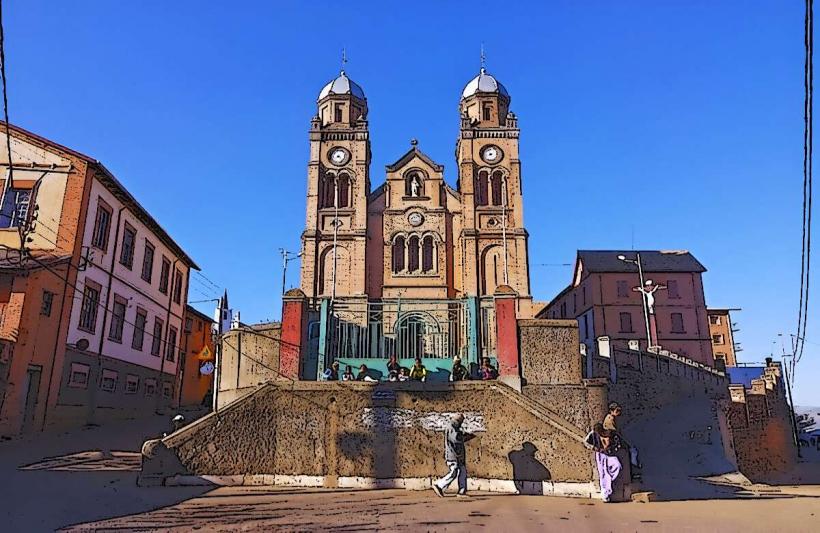
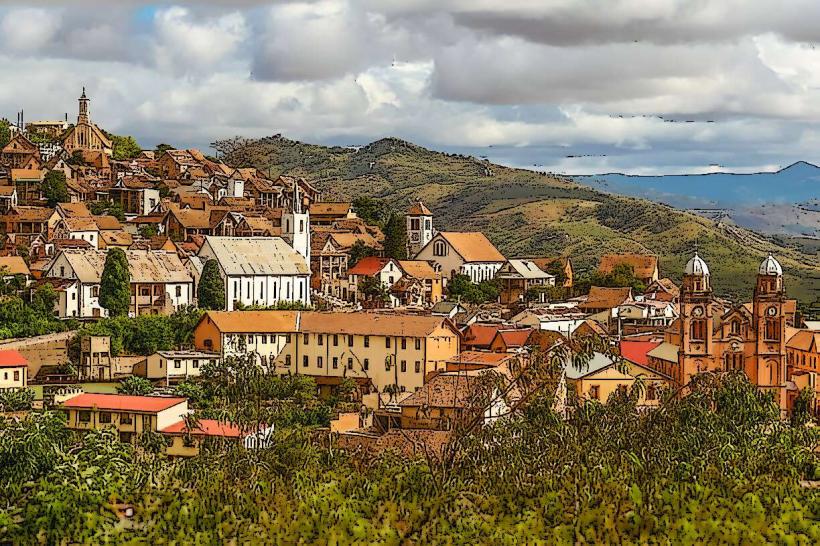
The Haute Ville is characterized by its colonial-era architecture, featuring multi-story buildings constructed primarily from red brick and stone. Streets are narrow and often paved with cobblestones, winding through the elevated terrain. Prominent structures include several churches with distinct steeples and facades, contributing to the town's skyline. The overall layout is terraced, adapting to the natural slopes, with many buildings exhibiting balconies and ornate ironwork.
Location & Access Logistics
Fianarantsoa Haute Ville is situated on a hill overlooking the lower, modern parts of Fianarantsoa. It is approximately 1km from the city center's main commercial area. Access is primarily by foot from the lower town via several ascending streets and staircases. Limited vehicle access is available on some main thoroughfares within the Haute Ville, but parking is scarce and often restricted to designated small areas or street-side spots. Local taxis (taxis-brousse) can drop visitors at the base of the hill or at specific entry points.
Historical & Ecological Origin
Construction of Fianarantsoa Haute Ville began in the late 19th century, primarily after 1869, under the Merina monarchy. Its original purpose was to serve as an administrative, religious, and educational center for the southern regions of Madagascar, mirroring the capital Antananarivo. The town was designed to house missionaries, government officials, and educational institutions, establishing a distinct European-influenced urban plan.
Key Highlights & Activities
Exploring the narrow, winding streets on foot is a primary activity. Visitors can tour historical churches such as the Cathedral of Ambozontany and the FJKM Tranovato Fitiavana. Panoramic views of the lower city and surrounding landscapes are accessible from various viewpoints. Artisan shops selling local crafts and small art galleries are present throughout the district.
Infrastructure & Amenities
Restrooms are generally available in cafes and restaurants within the Haute Ville. Shade is limited to the narrow streets and occasional building overhangs. Cell phone signal (4G/5G) is typically strong throughout the area. Several small local restaurants and cafes offer food and beverages, alongside convenience stores for basic supplies.
Best Time to Visit
The best time to visit Fianarantsoa Haute Ville is during the dry season, from April to October, when rainfall is minimal and temperatures are moderate. Mornings and late afternoons offer optimal lighting for photography, highlighting the red brick architecture and providing clear views. Visiting during midday can be warm, with less natural shade.
Facts & Legends
Fianarantsoa Haute Ville is currently on Madagascar's Tentative List for UNESCO World Heritage status, recognized for its unique urban planning and architectural heritage. A local tip suggests exploring the side alleys, which often lead to unexpected courtyards or small, family-run craft workshops not visible from the main streets.
Nearby Landmarks
- Rova of Fianarantsoa (historical royal compound) - 0.8km North
- Anosy Lake (artificial lake with recreational areas) - 1.5km South-East
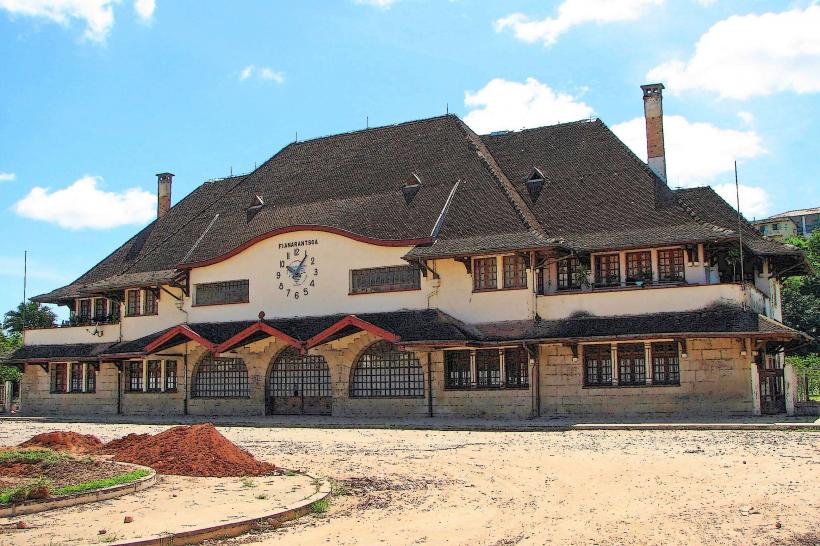
- Fianarantsoa Train Station (historic railway hub) - 2.0km East
- Andrainarivo Market (local produce and goods market) - 1.2km South