Information
Landmark: Fiery FurnaceCity: Moab
Country: USA Utah
Continent: North America
Fiery Furnace, Moab, USA Utah, North America
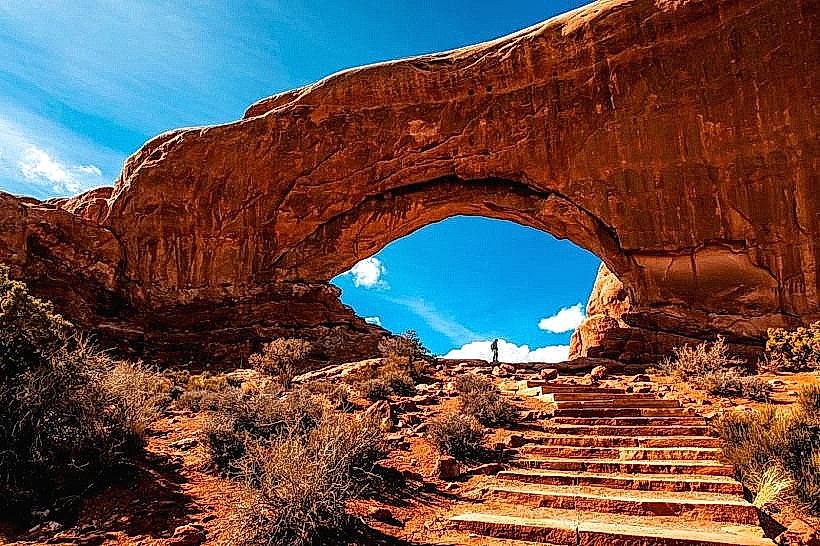
The Fiery Furnace, one of the most intriguing and labyrinthine areas in Arches National Park, offers a stunning display of nature’s complexity-an intricate maze of towering sandstone fins, narrow passageways, and glowing red rock that seems to flicker with inner fire at sunset. Located about 14 miles from the park entrance, this section of the park combines adventure, mystery, and solitude, providing one of the most immersive experiences in the desert landscape of Utah.
Setting and Atmosphere
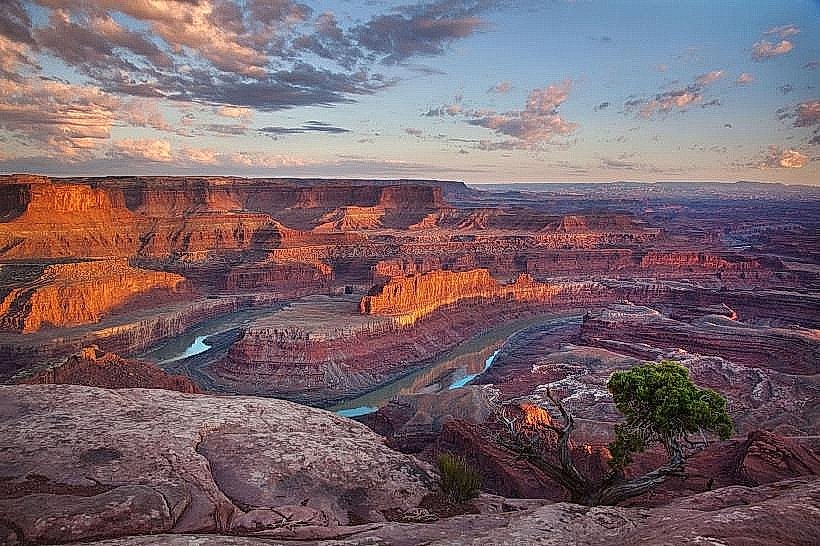
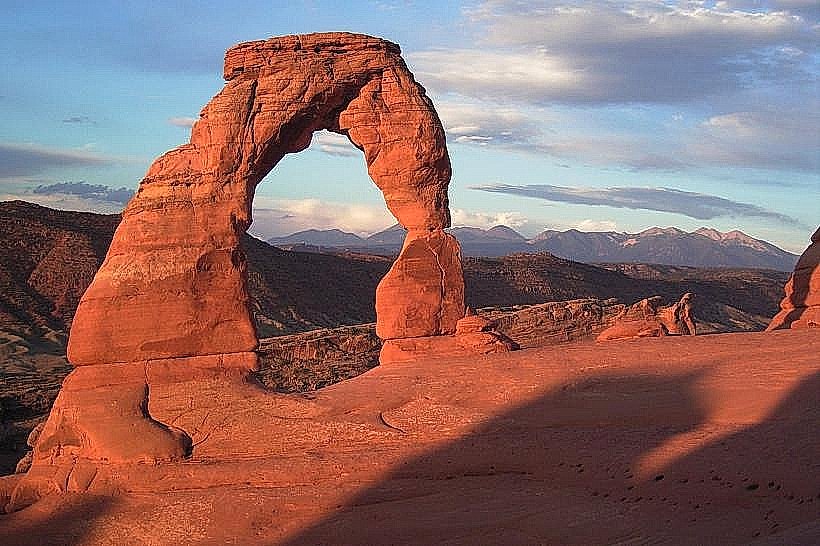
The Fiery Furnace sits on a high plateau above the main valley of Arches, overlooking distant mesas and the La Sal Mountains. From a distance, it appears as a dense cluster of jagged stone blades rising from the desert floor, their edges catching the light like the teeth of some enormous fossilized creature. Up close, however, it transforms into a labyrinth of passageways-some barely wide enough for a person to pass through-interconnected like a natural cathedral of stone.
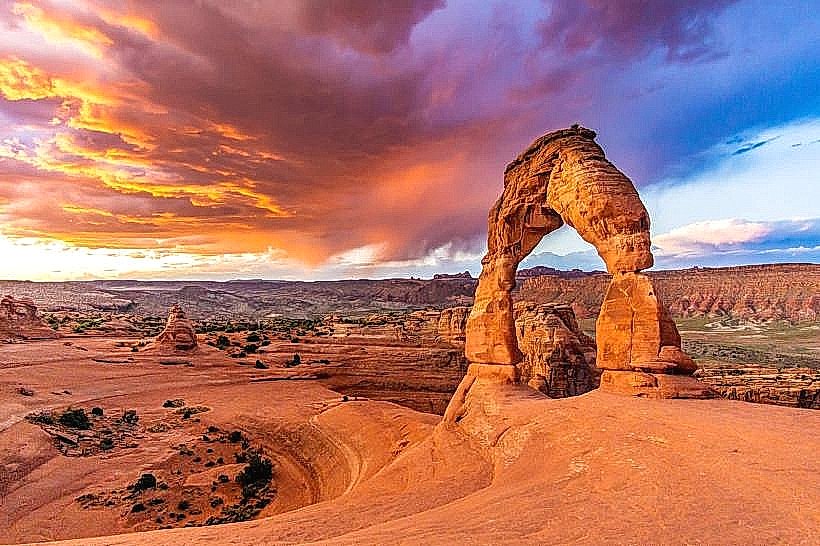
The name Fiery Furnace comes from the way the rocks ignite with color at sunset. As the low sun strikes the sandstone walls, they glow with vivid shades of crimson, orange, and gold, giving the impression that the entire canyon is aflame. The light constantly changes, bouncing between walls and creating a warm, almost surreal glow that deepens the area’s mystery.
Geological and Natural Highlights
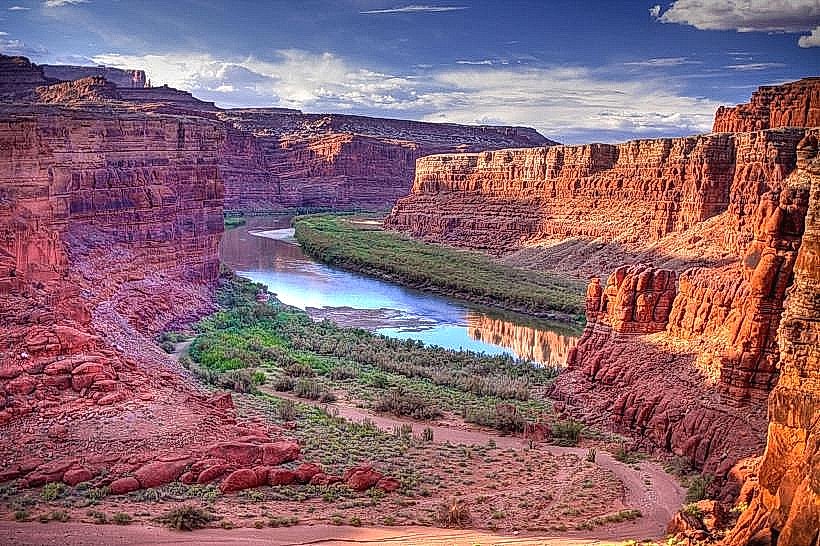
The Fiery Furnace is formed from Entrada Sandstone, the same geologic layer that produced many of Arches National Park’s iconic formations. Over millions of years, fractures in the rock were widened by water, wind, and ice, carving out an intricate network of fins, slots, and canyons.
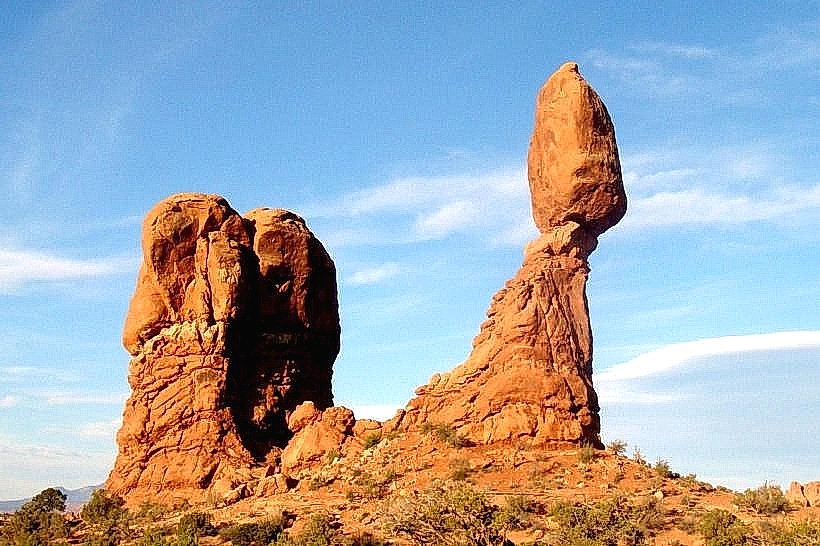
Rock Fins: Narrow sandstone ridges rising dozens of feet high, creating the maze-like structure of the area.
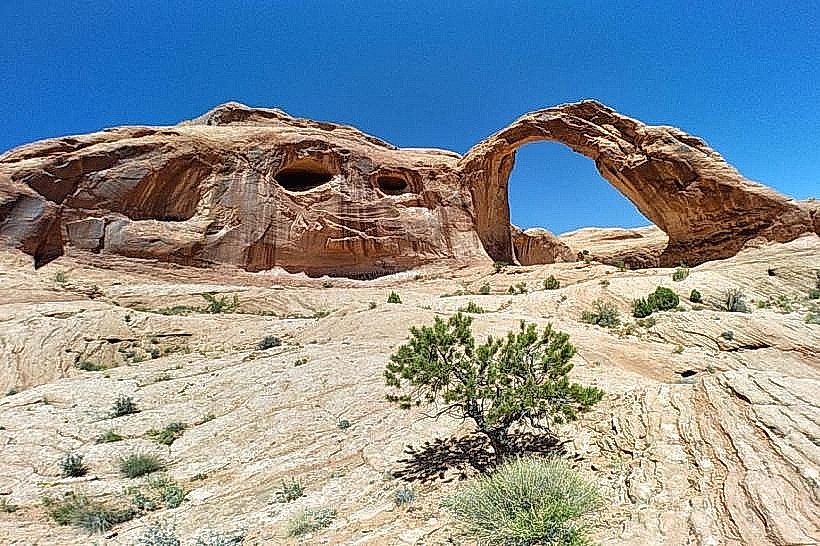
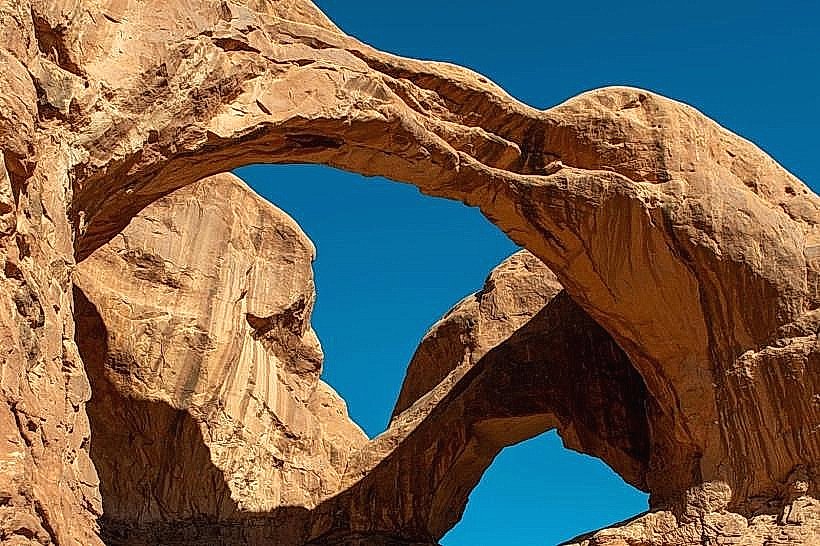
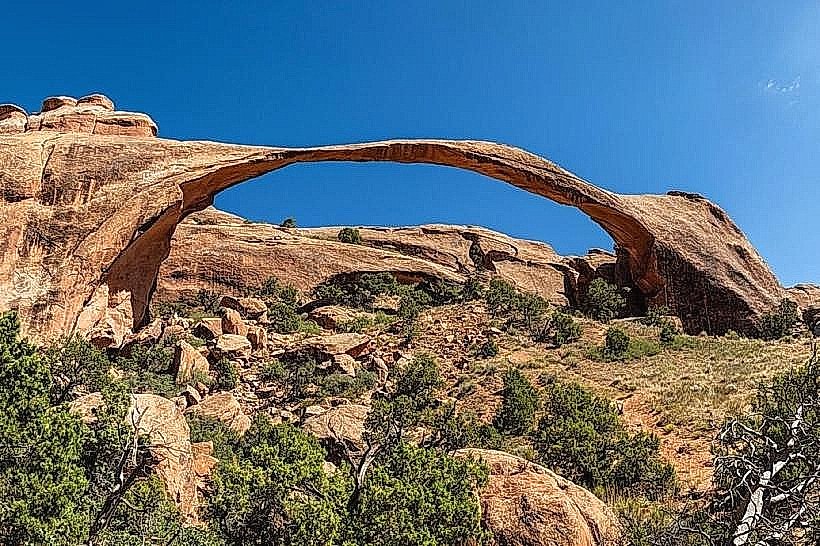
Hidden Arches: Several small and medium-sized arches-such as Surprise Arch and Skull Arch-are tucked within the labyrinth, revealed only to those who venture inside.
Erosion Patterns: The walls feature delicate textures, iron-oxide streaks, and naturally sculpted alcoves that seem hand-carved by time.
The area is still actively eroding, meaning the landscape subtly shifts with each freeze-thaw cycle and rainstorm.
Hiking and Exploration
The Fiery Furnace is unlike any other hiking area in Arches-it is not a single trail but a complex, unmarked maze requiring careful navigation and physical agility.
Access: Visitors must either join a ranger-led tour or obtain a self-guided permit from the visitor center.
Difficulty: Moderate to challenging, involving scrambling, climbing over rocks, squeezing through tight gaps, and navigating uneven terrain.
Duration: Typically 2 to 3 hours, depending on pace and route.
Navigation: GPS and maps are of limited help inside; visitors must rely on route markers (if guided) or careful observation to avoid getting lost.
The ranger-guided hike is the most popular and safest way to explore. Rangers lead small groups through twisting corridors, explaining geology, ecology, and the park’s preservation efforts, while pointing out arches and unique rock formations hidden within the maze.
Sensory and Experiential Details
Inside the Fiery Furnace, light and sound behave differently. The towering fins block the wind, creating pockets of stillness where even small sounds-footsteps, pebbles shifting-echo off the rock. Sunlight filters through narrow cracks and slot-like openings, creating alternating zones of shadow and brilliance. The sandstone walls are cool to the touch, and the air carries the dry scent of dust and mineral.
Occasionally, a glimpse of blue sky appears high above between the fins, emphasizing the immense height of the walls and the feeling of being enclosed within an ancient, sacred labyrinth.
Flora, Fauna, and Desert Life
Despite the harsh conditions, life persists here. Mosses, lichens, and cryptobiotic soil crusts cling to shaded rock surfaces, playing a vital role in stabilizing the soil. Juniper and pinyon pines grow in wider spaces, and small creatures-lizards, desert cottontails, and canyon wrens-move quietly through the rocks. During spring, small desert wildflowers such as claret cup cactus add bursts of color in the sandy clearings.
Facilities and Accessibility
Location: Near the end of the main Arches Scenic Drive, before the road ascends toward Devils Garden.
Permits: Required for self-guided entry; ranger-led tours can be reserved in advance through the National Park Service.
Parking: Designated area with restrooms and interpretive signs overlooking the formation.
Accessibility: Not suitable for wheelchairs or strollers; best for visitors with moderate fitness and comfort with climbing and tight spaces.
Best Time to Visit: Early morning for cooler temperatures or late afternoon for the most striking light.
Visitor Experience
Most visitors describe entering the Fiery Furnace as a journey into another world-an experience that blends exploration, curiosity, and a touch of awe. It’s easy to feel disoriented, yet that’s part of its appeal: every turn reveals a new vista, an unexpected shaft of light, or a rock formation that seems to defy balance.
Because of its complexity and the absence of marked trails, the area offers a level of intimate engagement rare in the park. One can feel both small and deeply connected to the raw power of erosion and time.
Closing Impression
The Fiery Furnace is the wild heart of Arches National Park-a maze of stone and silence, where sunlight, shadow, and time meet in constant motion. To walk within it is to experience the desert at its most mysterious and elemental. It demands patience, awareness, and respect, rewarding those who enter with moments of wonder that feel entirely personal, as if discovering the planet anew.