Information
Landmark: FiskargrändCity: Visby
Country: Sweden
Continent: Europe
Fiskargränd, Visby, Sweden, Europe
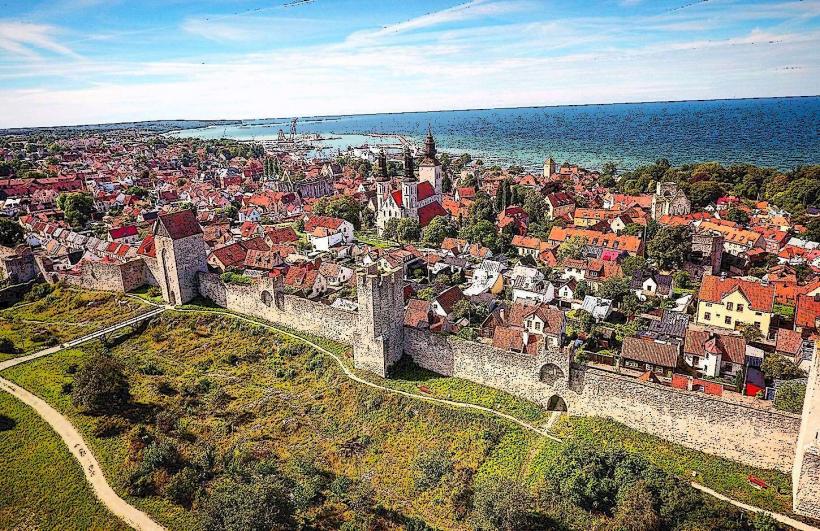
Fiskargränd is a narrow, cobblestone alleyway located within the medieval city walls of Visby, on the island of Gotland, Sweden. It is recognized as a preserved example of medieval urban planning and is particularly noted for its dense rose growth during summer months.
Visual Characteristics
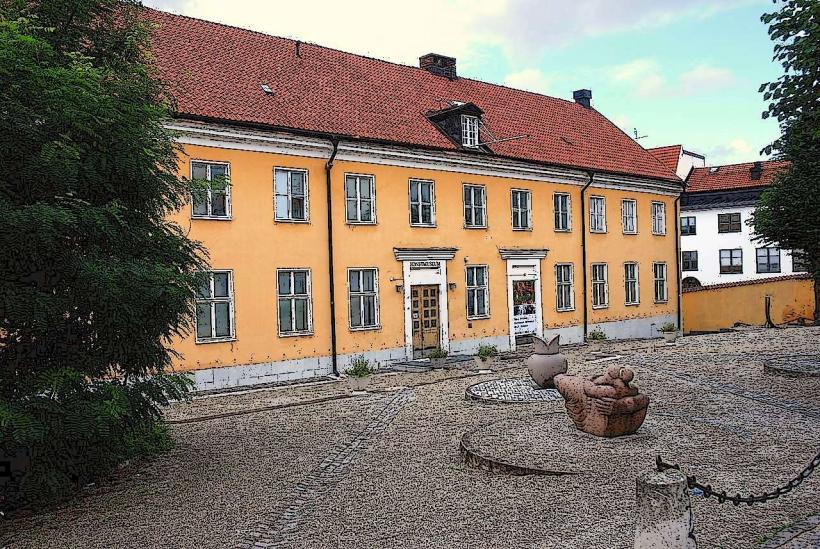
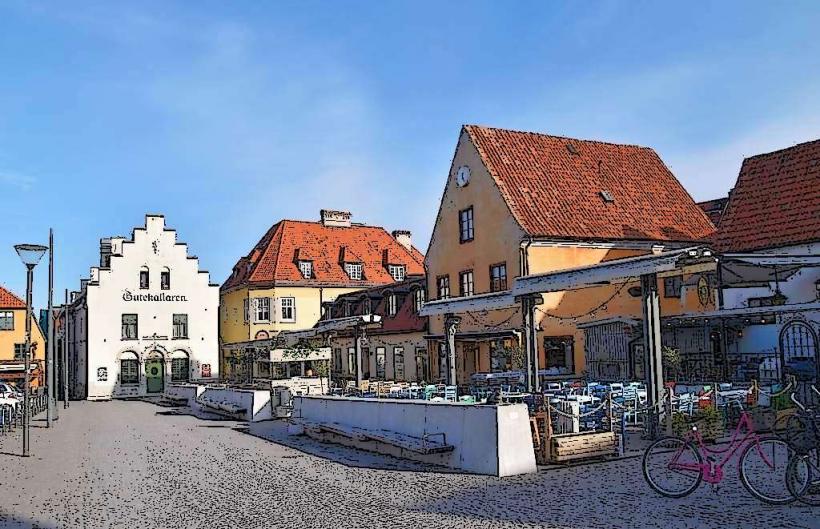
The alley is characterized by its irregular cobblestone surface and a width that accommodates pedestrian traffic only. Flanking the alley are medieval houses constructed from local limestone and timber, often featuring plaster facades in muted earth tones. During the summer, climbing roses (Rosa rugosa and other varieties) cover many house walls and trellises, creating a dense floral canopy and wall cover. The street maintains a slight incline towards the harbor area.
Location & Access Logistics
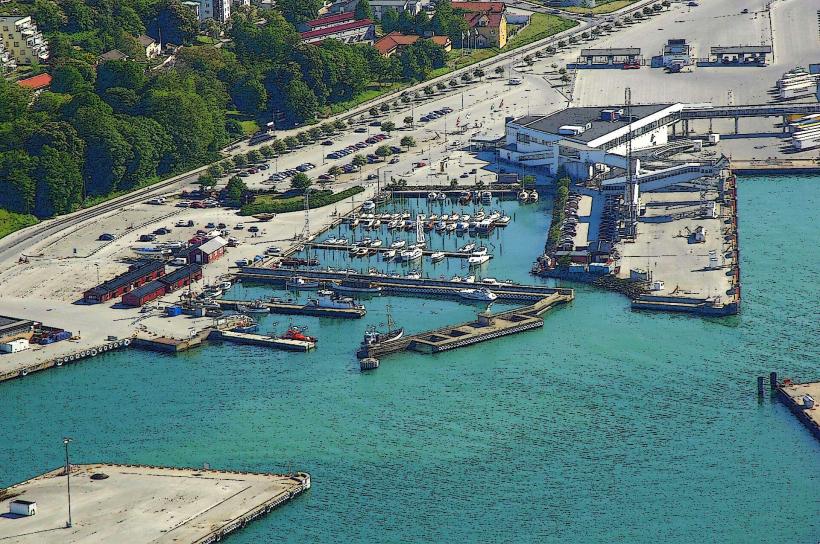
Fiskargränd is situated in the central-western part of the walled city of Visby, approximately 0.5 kilometers east of the harbor. Access is exclusively pedestrian. For visitors arriving by car, parking is available outside the city walls in designated areas such as Österport or Söderport, typically 0.5-1 km walking distance. Visby is served by local bus lines; the nearest bus stop, "Visby Hamnterminal," is approximately 0.6 km west. The street is easily navigable on foot from any point within the inner city.
Historical & Ecological Origin
The street plan of Fiskargränd dates to the medieval period, forming part of Visby's urban development during its Hanseatic League prominence. Its name, meaning "Fisherman's Alley," suggests its historical connection to the city's fishing community and proximity to the harbor. The houses lining the street are primarily from the 17th to 19th centuries, built upon older medieval foundations, reflecting continuous habitation and adaptation within the historic urban fabric.
Key Highlights & Activities
The primary activity is walking the alley to observe its medieval architecture and floral displays. Photography is a common pursuit, particularly during the rose season. The street offers a direct experience of Visby's preserved medieval streetscape. It serves as a pedestrian thoroughfare connecting various parts of the inner city.
Infrastructure & Amenities
As a public street, Fiskargränd itself does not contain dedicated restrooms or food vendors. Public restrooms are available within a 200-meter radius in the surrounding city center. Shade is provided by the adjacent buildings and, during summer, by the rose growth. Cell phone signal (4G/5G) is consistently available throughout Visby, including this area. Numerous cafes and restaurants are located within a 100-meter walk.
Best Time to Visit
The optimal time to visit for viewing the roses is from late June through August. For photography, early morning (07:00-09:00) or late afternoon (17:00-19:00) provides softer light and fewer pedestrians. Visby's peak tourist season is July, which coincides with the full bloom of the roses but also higher crowd density. Outside of summer, the street retains its architectural character but lacks the floral element.
Facts & Legends
Fiskargränd is widely considered one of the most iconic and frequently photographed streets in Visby, largely due to its association with the city's "City of Roses" moniker. A local tip for visitors is to explore the small courtyards and passages branching off the main alley, which often reveal additional architectural details and rose gardens not visible from the main thoroughfare.
Nearby Landmarks
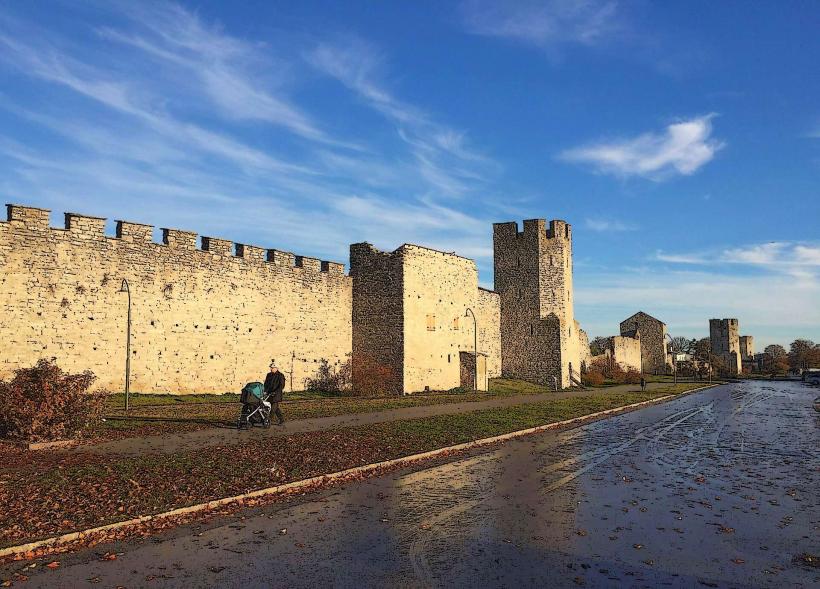
- Visby City Wall: 0.2km East
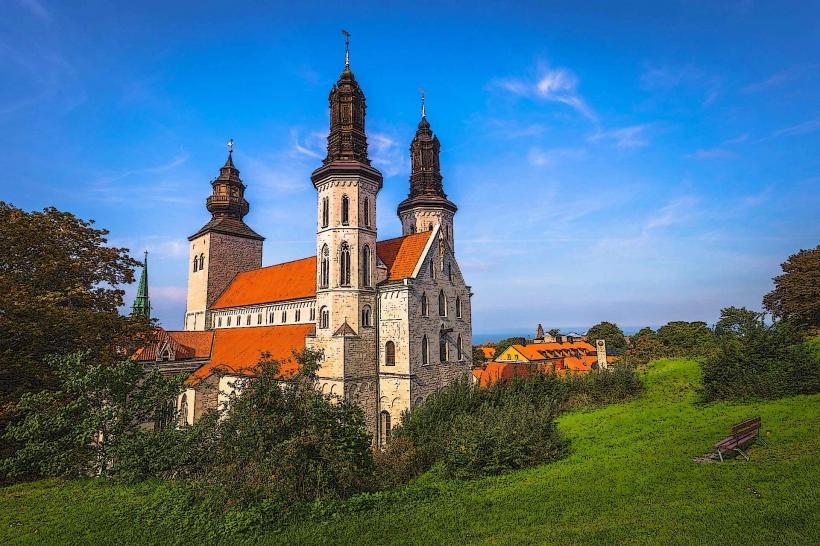
- St. Mary's Cathedral (Visby Domkyrka): 0.3km South-East
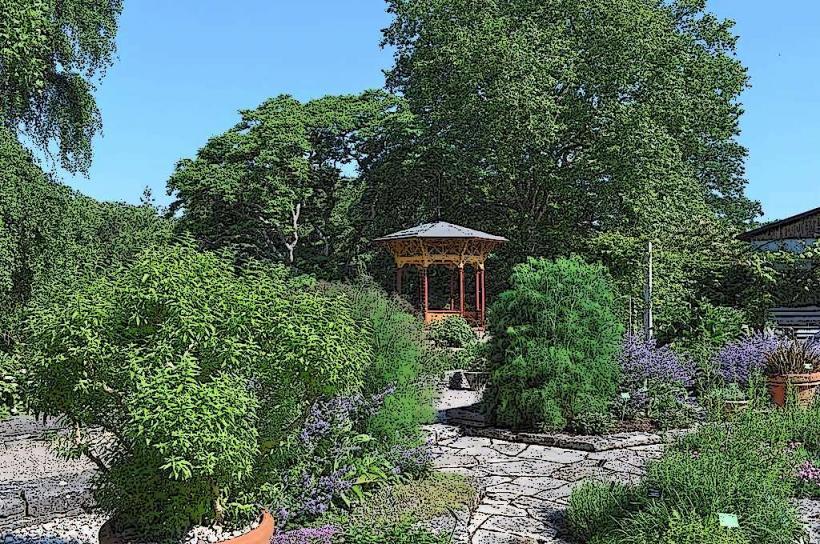
- Botanical Garden (DBW's trädgård): 0.2km North-West
- Almedalen Park: 0.4km South-West
- St. Karin's Church Ruin: 0.2km South