Information
City: VisbyCountry: Sweden
Continent: Europe
Visby, Sweden, Europe
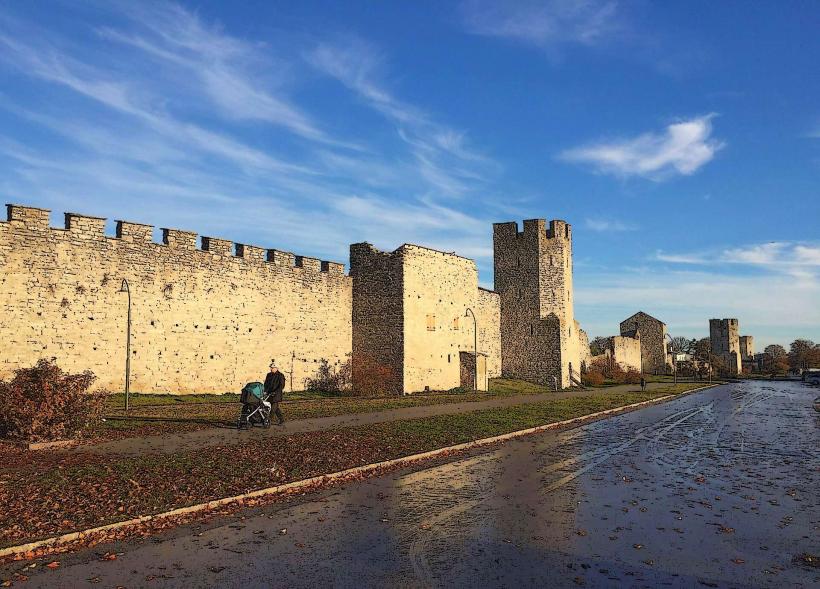
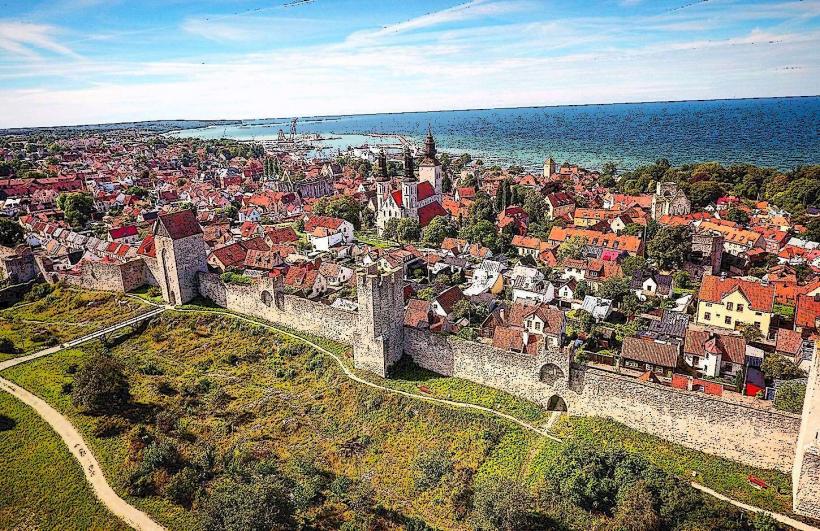
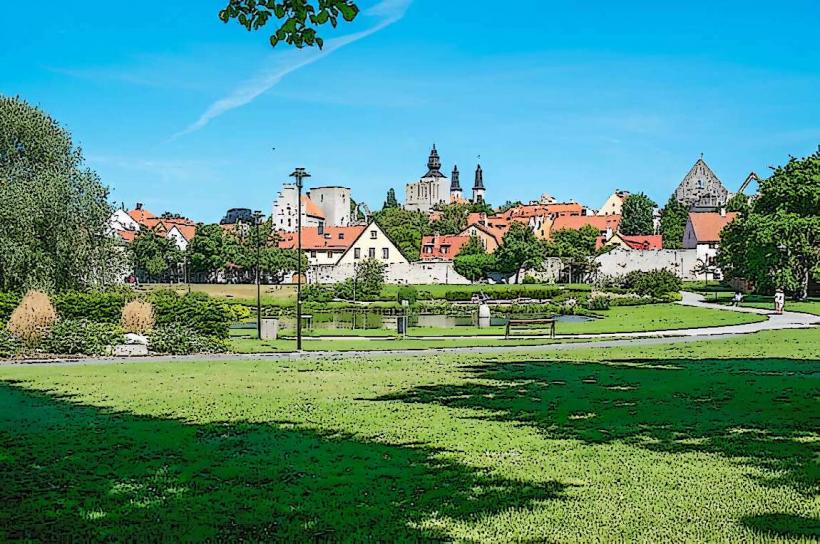
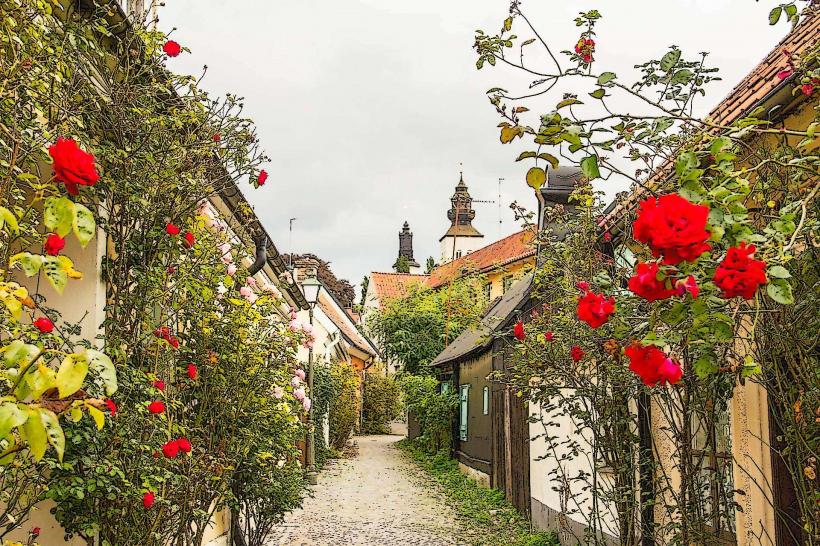
Visby serves as the administrative center of Gotland and a UNESCO World Heritage site. It functions as the best-preserved medieval fortified city in Scandinavia, characterized by its 3.4-kilometer limestone wall, narrow cobblestone alleys, and a unique microclimate that allows roses to bloom well into December.
Historical Timeline
Visby emerged as the primary hub of the Hanseatic League in the Baltic during the 12th to 14th centuries. The primary event shaping its current preservation was the 1361 Battle of Mästerby, where King Valdemar Atterdag of Denmark conquered the island. Following a period of economic decline in the late Middle Ages, the city was largely bypassed by the industrial revolution, leaving its medieval core intact.
Demographics & Population
The population is approximately 26,000 (2026 estimate), though this number triples during the summer peak. The demographic is a mix of permanent island residents, mainland Swedish seasonal workers, and a growing community of digital nomads and artists.
Urban Layout & Key Districts
The city is divided by its medieval wall.
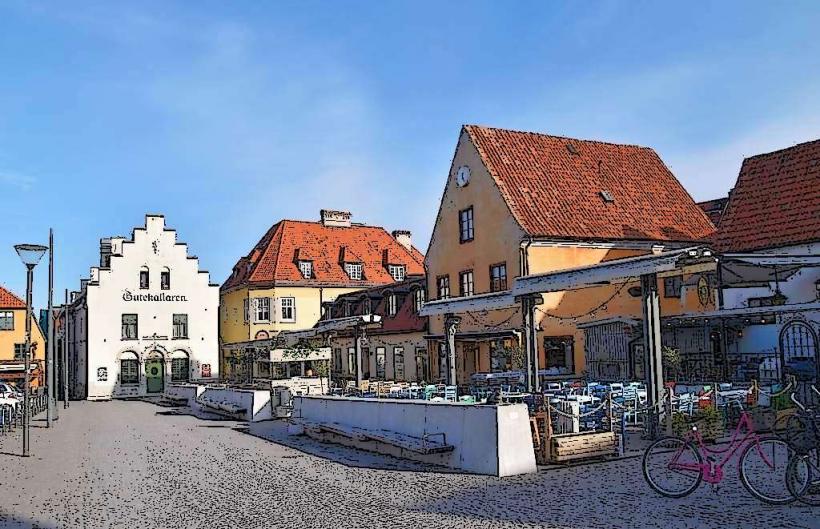
Innerstaden (The Walled City): The historic core where motorized traffic is heavily restricted. It contains the majority of ruins, historic houses, and the "Botan" botanical garden.
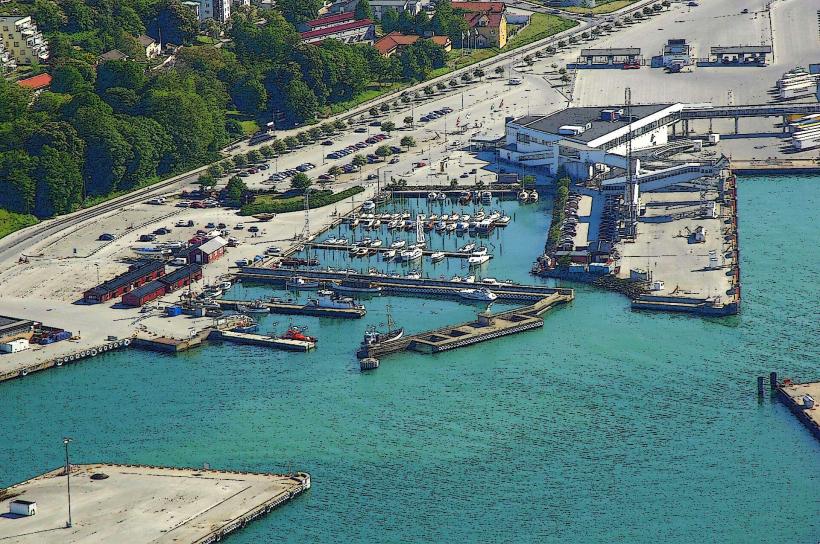
The Harbour: The modern arrival point for ferries and a vibrant hub for dining and nightlife.
Öster (The East): The contemporary commercial district located just outside the wall, featuring modern supermarkets and services.
Södervärn: A southern residential district with modern housing and coastal access.
Top City Landmarks
Visby Ringwall (Ringmuren): A 13th-century defensive wall with 27 surviving towers.
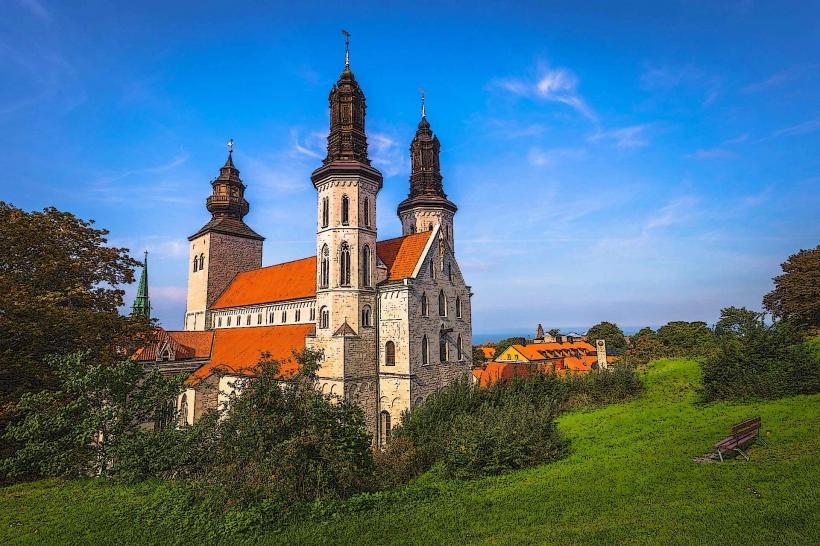
Saint Mary’s Cathedral (Visby Domkyrka): The only medieval cathedral in the city still in use.
Saint Karins Ruin: A dramatic 13th-century Franciscan church ruin located in the main square.
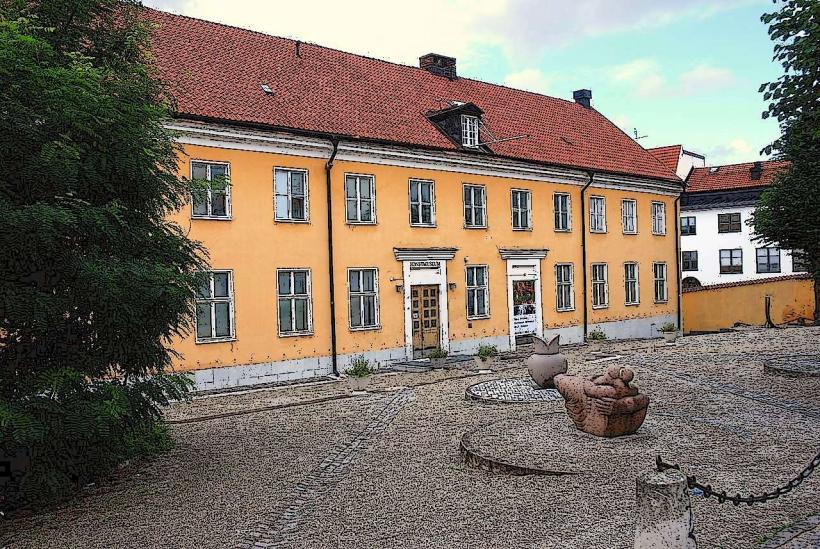
Gotland Museum (Fornsalen): Housing world-class Viking silver hoards and medieval picture stones.
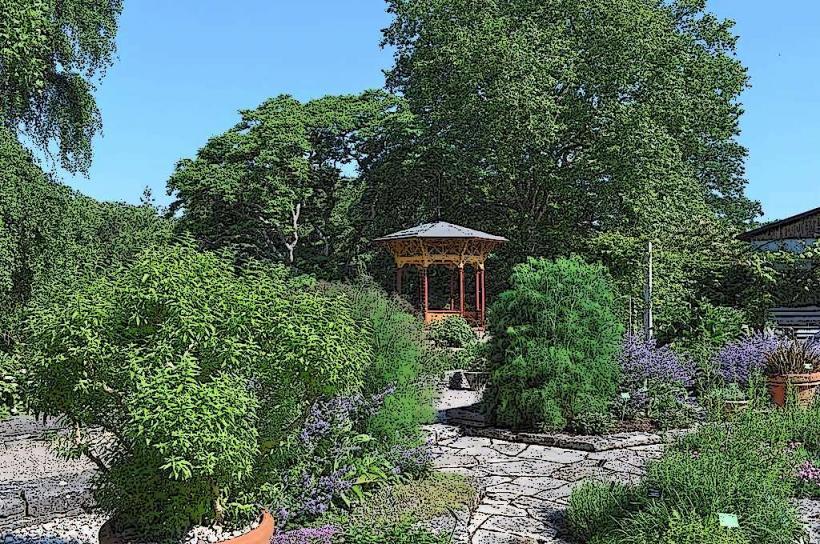
DBW’s Botanical Garden: Famous for its collection of exotic trees and roses thriving in the island's lime-rich soil.
Almedalen: A central park and the site of Sweden’s major annual political festival.
Transportation Network
Movement within the walls is best done on foot. Motorized vehicles require permits during the summer. Maritime travel is serviced by Destination Gotland ferries connecting Visby to Nynäshamn and Oskarshamn (3-hour crossing). Air travel is serviced by Visby Airport (VBY), located 4 km north. There is no rail transit on the island; regional transport is managed by Gotlandstrafiken buses.
Safety & "Red Zones"
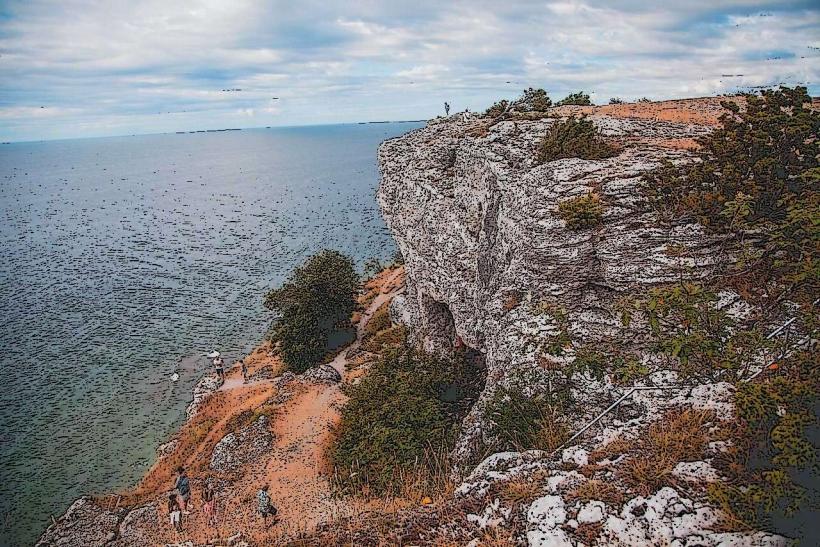
The safety level is exceptionally high. There are no "red zones." The primary risk is environmental: the limestone cliffs at Högklint (south of the city) are prone to erosion; stay behind marked safety barriers.
Digital & Financial Infrastructure
Average internet speed is 250–1000 Mbps. Gotland is a testbed for renewable energy grids. Visby is 100% cashless. Most businesses-including those at the medieval market-only accept cards or the Swish mobile payment app. Physical cash is rarely accepted.
Climate & Air Quality
Temperatures range from 1°C in winter to 21°C in summer. The island experiences significantly more sunshine than the Swedish mainland. Air quality is pristine, though sea spray can increase localized humidity.
Culture & Social Norms
Tipping is not required. The culture is defined by "Medeltidsveckan" (Medieval Week) in August, the largest event of its kind in Europe. Social life revolves around the "Fika" culture in historic courtyards. In summer, the city is known for high-end "Stockholm-style" nightlife; in winter, it is a quiet, contemplative community.
Accommodation Zones
Stay Inside the Walls for historic atmosphere and boutique hotels.
Stay near the Harbour for proximity to ferries and modern amenities.
Stay in Snäck (north of the city) for beach-front apartments.
Local Cost Index
1 Espresso: 40 – 55 SEK
1 Saffron Pancake (Saffranspannkaka - local specialty): 85 – 120 SEK
1 Standard Lunch: 135 – 190 SEK
1 Bus Ticket (City Zone): 30 SEK
Nearby Day Trips
Fårö: The island home of Ingmar Bergman, famous for its "Rauk" (sea stack) formations.
Lummelunda Cave: One of Sweden's longest cave systems, located 13 km north.
Högklint: A massive limestone cliff offering the best views of the Visby skyline.
Facts & Legends
Local legend says that King Valdemar Atterdag forced the citizens of Visby to fill three massive beer vats with gold and silver to spare the city from fire. A verified historical fact is that Visby has more medieval church ruins (13) within its walls than any other city in Northern Europe.