Information
Landmark: Florence Historic DistrictCity: Florence AL
Country: USA Alabama
Continent: North America
Florence Historic District, Florence AL, USA Alabama, North America
The Florence Historic District is a designated area within Florence, Alabama, USA, preserving a collection of early 20th-century architecture.
This district encompasses a significant portion of the city's original layout and development.
Visual Characteristics
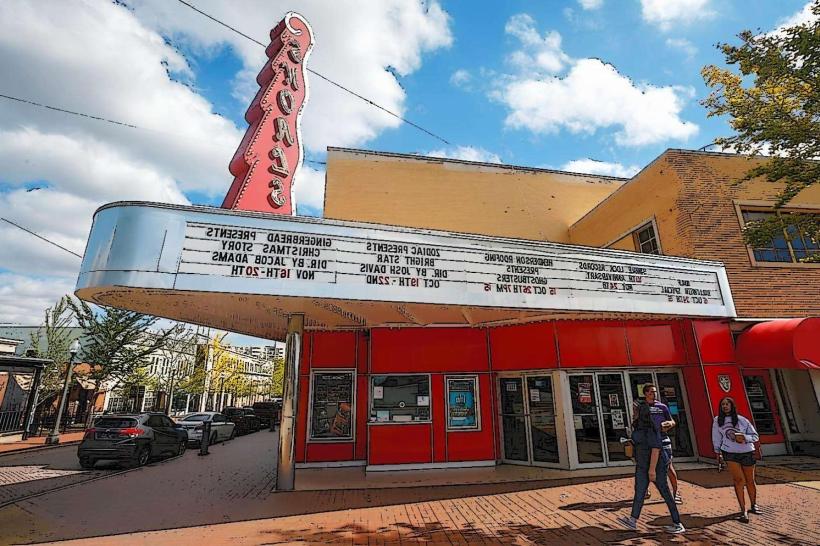
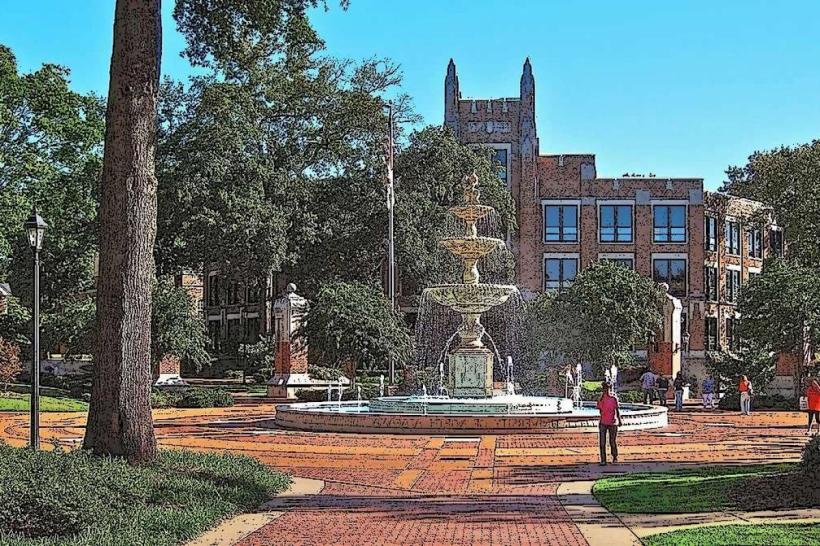
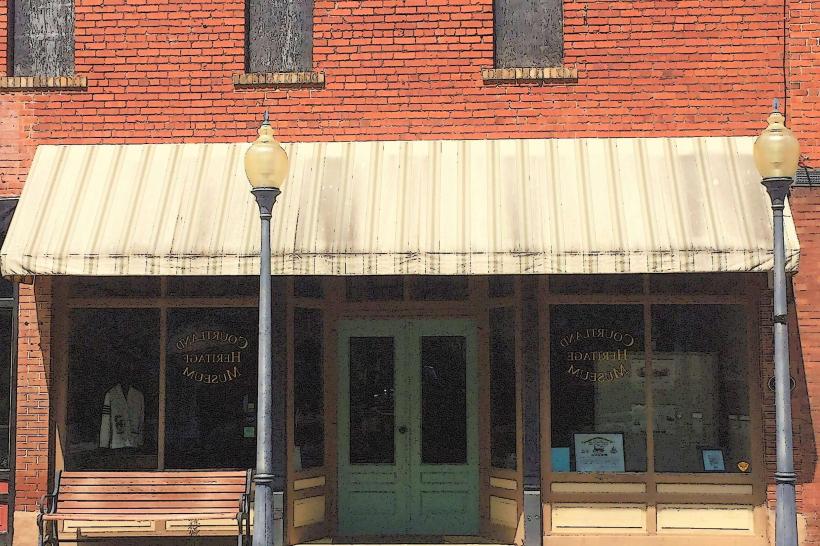
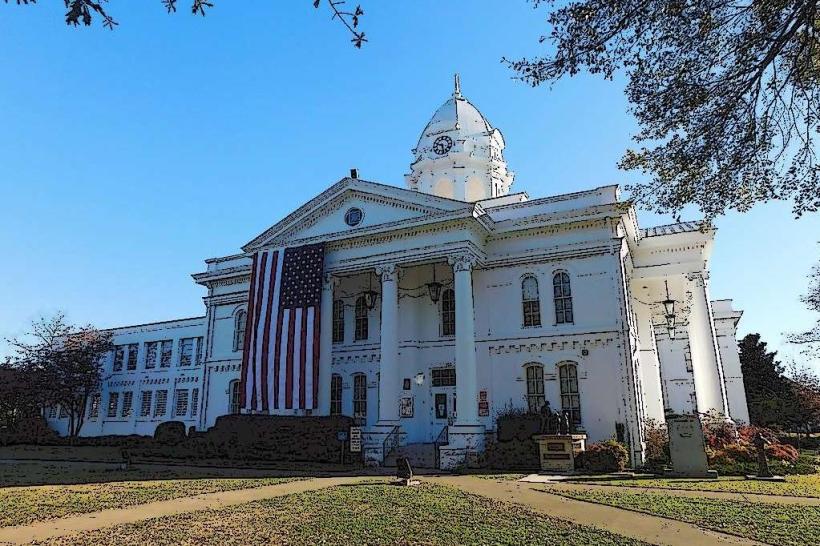
The district features a concentration of brick and stucco buildings, primarily in the Neoclassical and Italian Renaissance Revival architectural styles. Structures range from two to four stories in height. Common materials include red brick, limestone accents, and terracotta roof tiles. Many buildings exhibit detailed cornices, arched windows, and decorative stonework.
Location & Access Logistics
The Florence Historic District is situated in the central business district of Florence, Alabama. It is bordered by Court Street to the north, Tennessee Street to the east, Mobile Street to the south, and Seminary Street to the west. The district is approximately 1 mile (1.6 km) from the Florence city center. Ample street parking is available, with several metered parking lots located within the district boundaries. The Florence-Lauderdale Public Transit bus system operates routes that stop at the Florence-Lauderdale Public Library, located at the edge of the district.
Historical & Ecological Origin
The Florence Historic District was established in the early 1900s, with much of its development occurring between 1900 and 1930. The area was part of the original town plat laid out by the Cypress Land Company in the 1880s. The architectural styles reflect the period's prevailing tastes and the economic growth of Florence during that era. The district's origin is man-made, stemming from urban planning and commercial expansion.
Key Highlights & Activities
Walking tours of the district are available, focusing on architectural details and historical context. Several buildings house independent retail shops, art galleries, and restaurants. Visitors can observe the preserved facades and streetscapes. Photography of the architectural elements is permitted.
Infrastructure & Amenities
Restrooms are available in most commercial establishments within the district. Shade is provided by mature trees lining some streets and awnings of businesses. Cell phone signal (4G/5G) is generally strong throughout the district. Numerous food vendors and restaurants are located within or adjacent to the district.
Best Time to Visit
The best time of day for photography is late afternoon, when the sunlight casts longer shadows and highlights architectural textures. The most favorable months for visiting are April through May and September through October, offering moderate temperatures. No specific tide requirements apply.
Facts & Legends
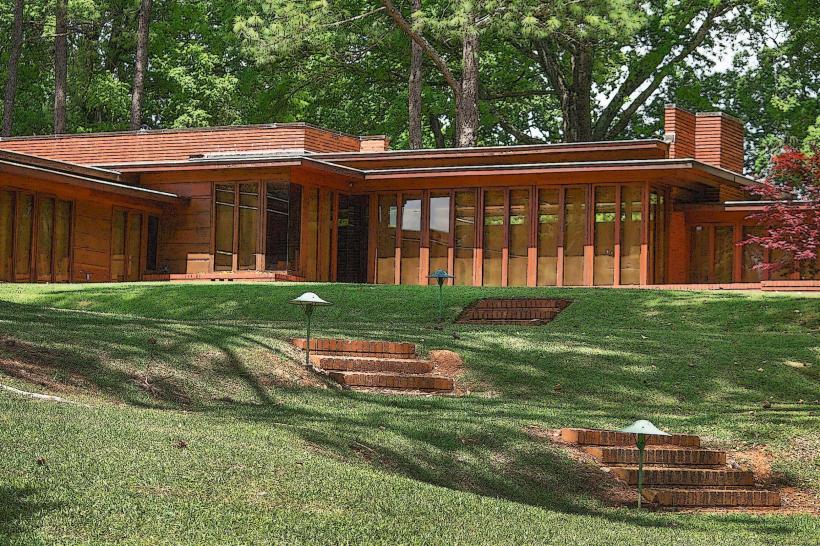
A notable historical oddity is the presence of the Rosenbaum House, designed by Frank Lloyd Wright, located just outside the strict boundaries of the historic district but often visited in conjunction with it. The house is the only Wright-designed home in Alabama.
Nearby Landmarks
- Rosenbaum House Museum: 0.3km Southwest
- Joe Wheeler State Park: 8km Southeast
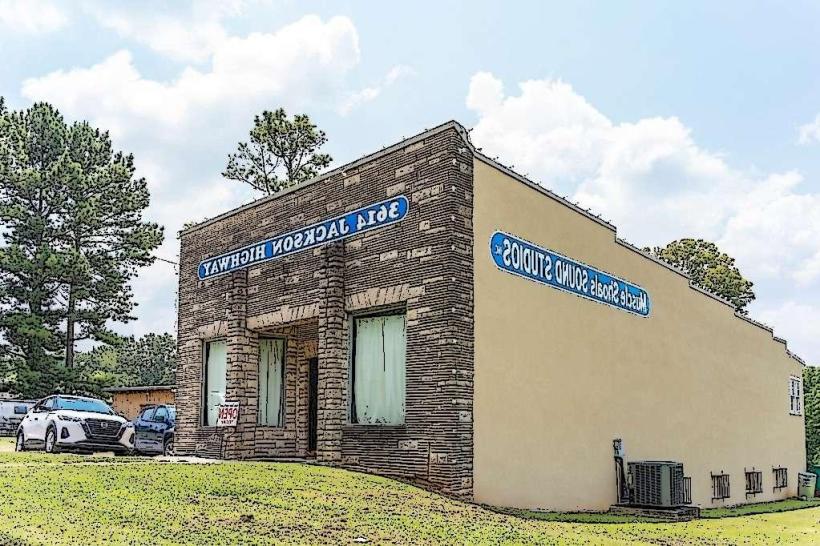
- Muscle Shoals Sound Studios: 5km Southwest
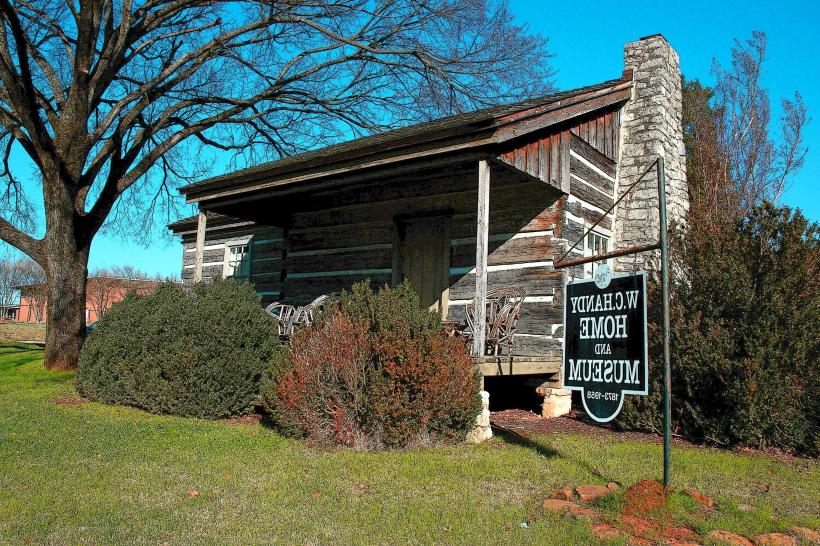
- W.C. Handy Home Museum: 0.8km Northwest
- Florence-Lauderdale Public Library: 0.2km North