Information
Landmark: Fort Hays State University CampusCity: Hays
Country: USA Kansas
Continent: North America
Fort Hays State University Campus, Hays, USA Kansas, North America
Fort Hays State University is an institution of higher education located in Hays, Kansas, USA.
The campus serves as a center for learning and community engagement in the region.
Visual Characteristics
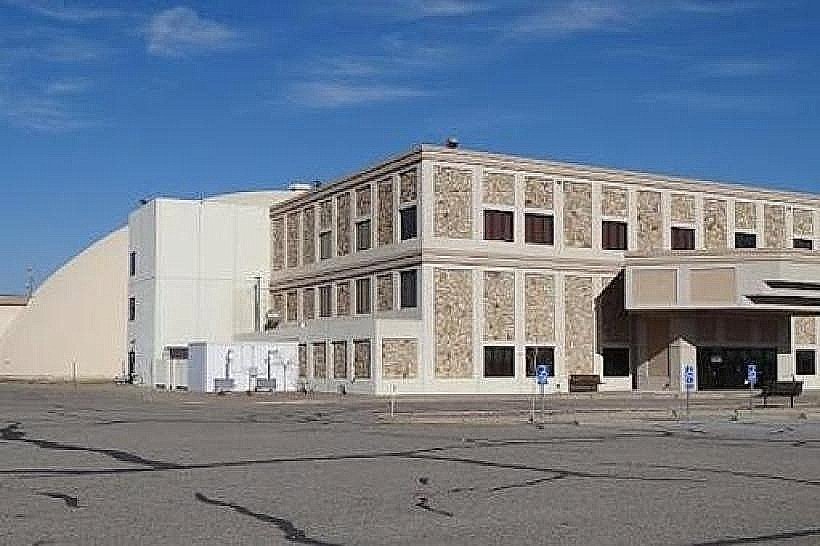
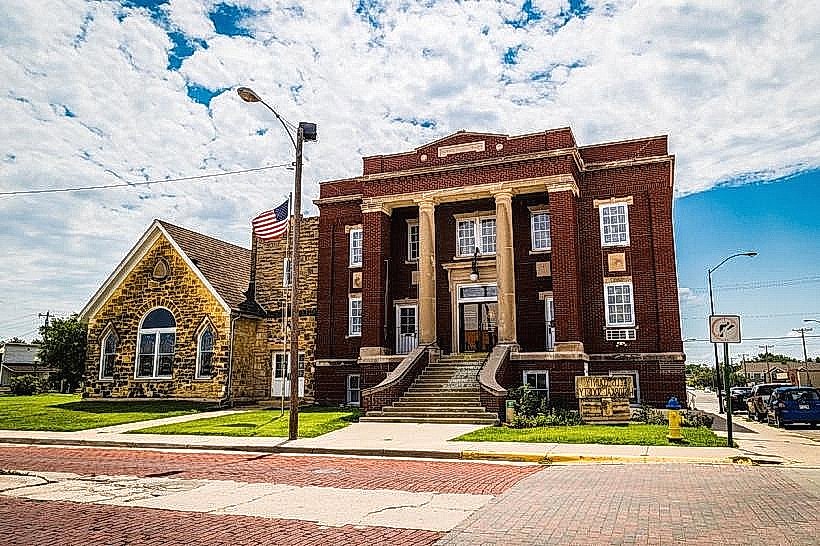
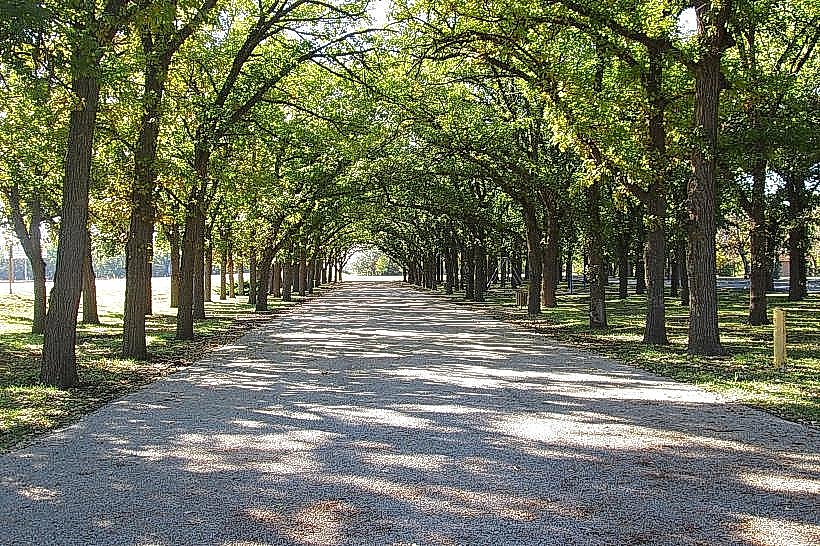
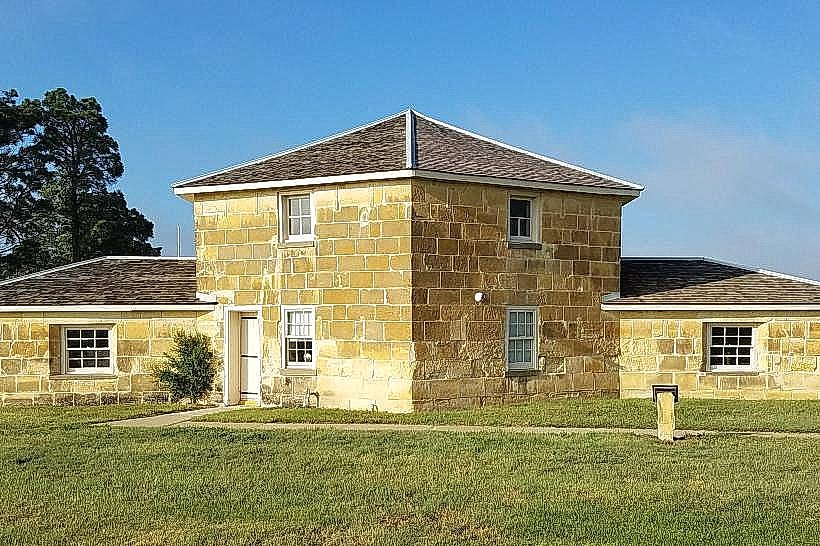
The campus architecture primarily features limestone construction, reflecting the regional geology. Buildings exhibit a mix of Collegiate Gothic and more modern utilitarian styles. Structures vary in height, with academic buildings generally reaching two to four stories. The grounds include manicured lawns, mature trees, and open quad areas.
Location & Access Logistics
Fort Hays State University is situated at 600 Park Street, Hays, Kansas. It is located approximately 1.5 miles (2.4 km) south of the downtown Hays central business district. Access is via US Highway 183 (Vine Street) and East 8th Avenue. Ample parking is available in designated lots throughout the campus; permits may be required during academic terms. Public transport options include the Hays City Express bus service, with several routes serving the university perimeter.
Historical & Ecological Origin
The university's origins trace back to the former Fort Hays, a U.S. Army post established in 1865. The land was transferred to the state of Kansas in 1900 for educational purposes. The first classes were held in 1902. The primary building material, local limestone, is derived from the Smoky Hill Chalk Formation, characteristic of the High Plains region.
Key Highlights & Activities
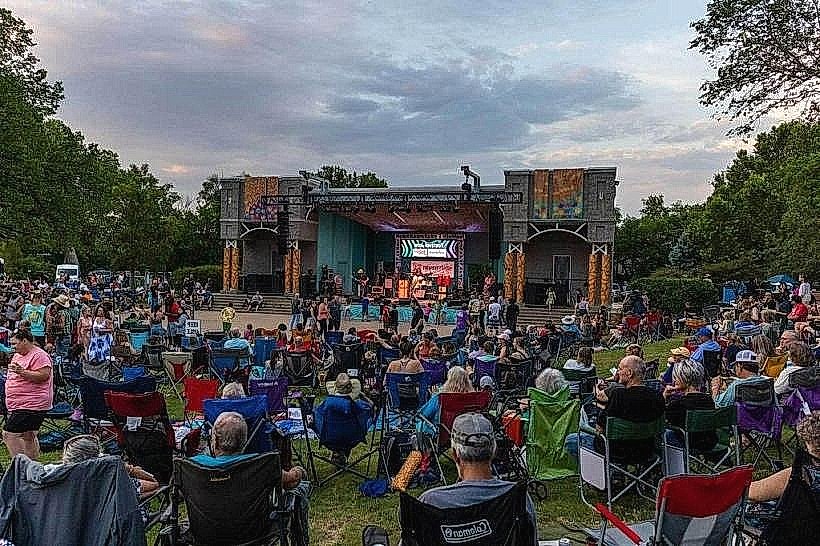
Visitors can explore the Sternberg Museum of Natural History, which houses extensive fossil collections and live animal exhibits. The campus also features the Center for Creative Arts, offering performances and exhibitions. Walking tours of the historic quad are possible. The university grounds are open for public access during daylight hours.
Infrastructure & Amenities
Restrooms are available in most academic and administrative buildings, typically open during business hours. Shaded areas are present in landscaped sections and under building overhangs. Cell phone signal (4G/5G) is generally strong across the campus. Food service options are available within student union buildings and nearby commercial areas along Vine Street.
Best Time to Visit
For optimal lighting for photography of the limestone architecture, early morning or late afternoon hours are recommended. The months of April through October offer the most temperate weather for outdoor exploration. Campus events and museum hours should be checked in advance for specific access times.
Facts & Legends
A unique historical artifact on campus is the original Fort Hays guardhouse, preserved as part of the Sternberg Museum. Local lore sometimes refers to the "ghost of the fort" in connection with the university's historical site, though this is unsubstantiated.
Nearby Landmarks
- Sternberg Museum of Natural History (0km West)
- Hays Public Library (1.2km North)
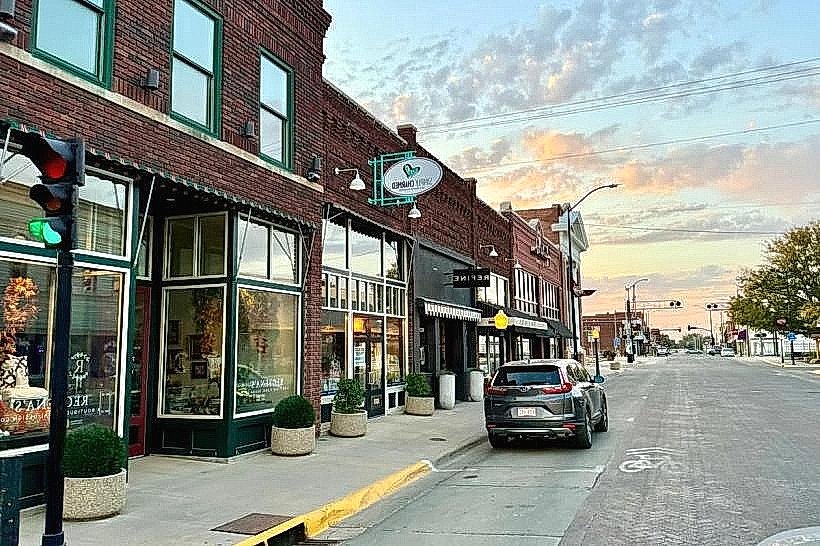
- Downtown Hays Historic District (1.5km North)
- Ellis County Historical Society Museum (1.8km North)
- Fick Fossil and History Museum (2.1km North)