Information
Country: USA KansasContinent: North America
USA Kansas, North America
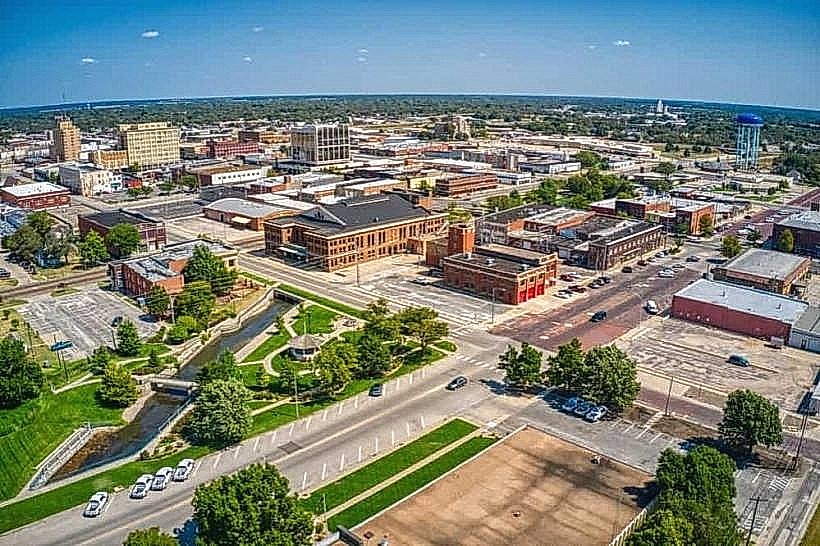
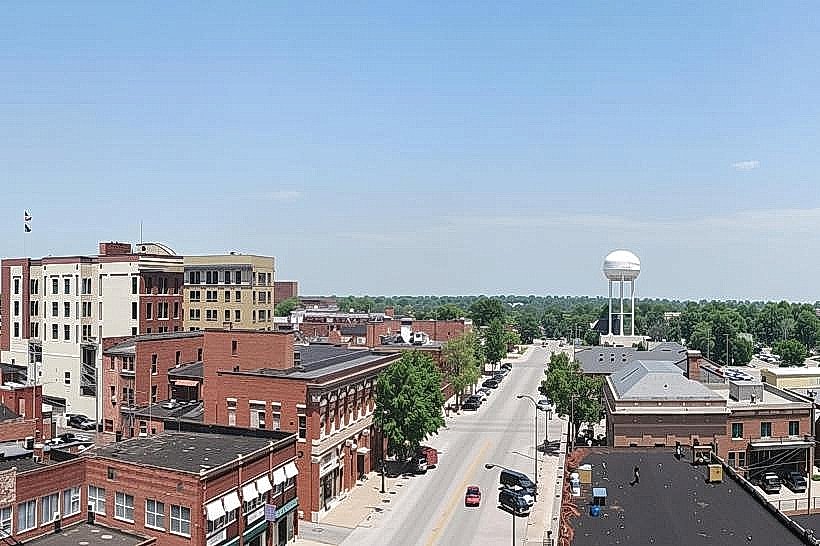
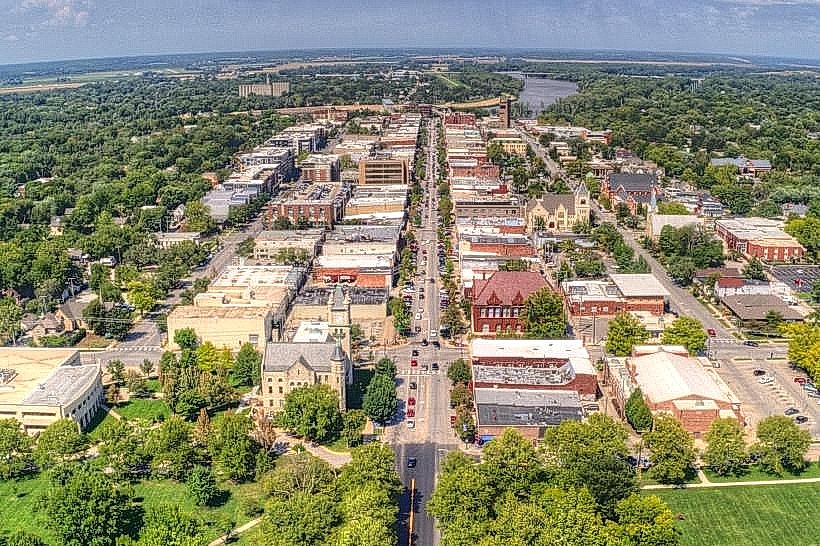
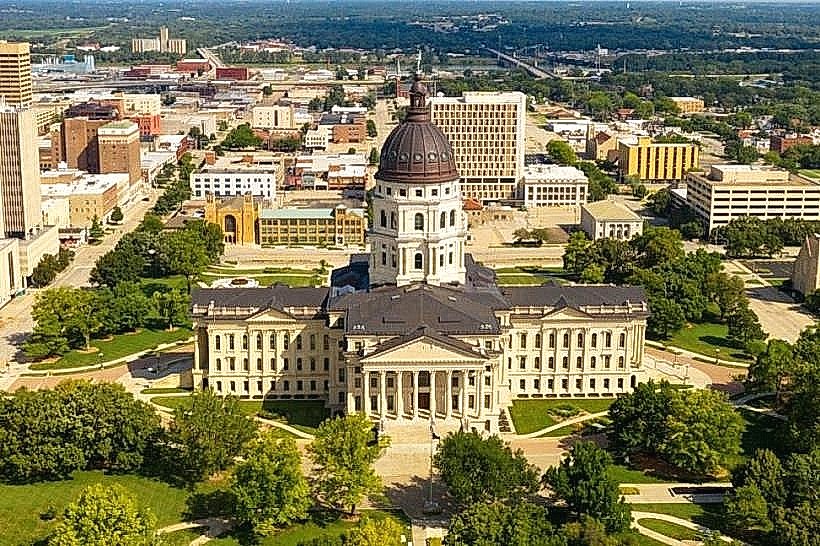
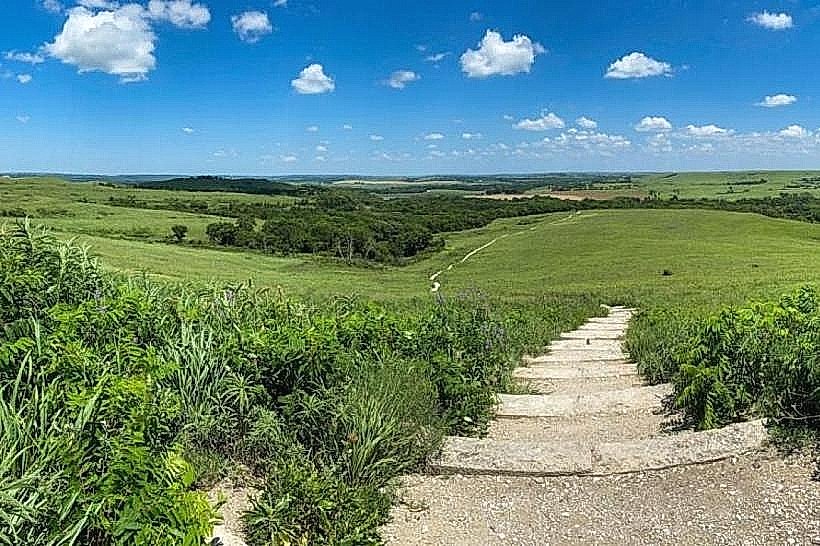
Kansas is located in the Midwestern United States, bordering Nebraska to the north, Missouri to the east, Oklahoma to the south, and Colorado to the west. It is the geographic center of the contiguous United States. The state is characterized by the rolling Flint Hills in the east and the expansive Great Plains in the west. The capital city is Topeka.
History & Culture
Kansas was admitted to the Union in 1861 as the 34th state following the violent "Bleeding Kansas" period, which served as a precursor to the Civil War. Its culture is a fusion of frontier history, agricultural legacy, and aerospace innovation. Primary religious affiliations are Protestant (approx. 67%) and Catholic (18%). Social etiquette emphasizes Midwestern industriousness, community-focused modesty, and a standardized 18–25% tipping expectation.
Language & Communication
The official language is English. English proficiency is universal. Spanish is the most significant secondary language (approx. 13% of the population). The regional dialect is categorized as General American or Midland American, characterized by a neutral accent.
Population & Economy
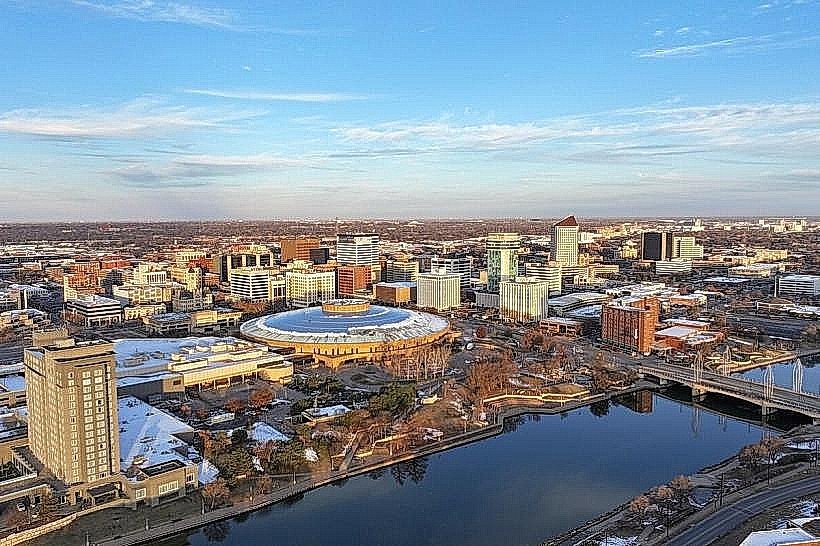
The population is approximately 3.01 million, with 74% urban and 26% rural distribution. Top three export commodities are aerospace products ($2.45B), food and kindred products ($3.3B), and industrial machinery ($1.1B). GDP per capita is approximately $74,500 USD. The economy is driven by global aviation manufacturing (Wichita's "Air Capital of the World"), biosciences, and its status as a leading producer of wheat, sorghum, and beef. 2026 economic forecasts project a moderate GDP growth of 1.2% following a period of rapid post-pandemic expansion.
Visa & Entry Policy
Effective January 1, 2026, under Presidential Proclamation 10998, visa issuance is suspended or restricted for nationals of 39 countries to enhance security vetting. Citizens of most EU nations and the UK require an ESTA for stays up to 90 days. Other international travelers require a B1/B2 visa. There is no Visa on Arrival system. Customs enforcement at Wichita Dwight D. Eisenhower National (ICT) and Kansas City International (MCI) is strict regarding agricultural items.
Currency & Payment Systems
The currency is the United States Dollar (USD). Card payments and mobile "tap-to-pay" are universal. Cash is common in rural diners and at livestock auctions. ATM availability is high, with dense networks in retail chains like QuikTrip and Casey's.
National Transport Grid
Intercity travel is dominated by the I-70 and I-35 corridors. Amtrak provides service via the "Southwest Chief" (Chicago to Los Angeles). Domestic and international aviation is anchored by Kansas City International (MCI) and Wichita Dwight D. Eisenhower National (ICT). In 2026, the state is undergoing major infrastructure upgrades via the Eisenhower Legacy Transportation Program (IKE).
Digital Infrastructure
Major mobile network providers are Verizon, AT&T, and T-Mobile. 5G coverage is comprehensive in the Kansas City (KS side), Wichita, and Topeka metropolitan areas. In January 2026, the state awarded $6.7 million for rural broadband acceleration projects. Groundbreaking for the $166.6 million BEAD fiber-expansion program is scheduled for the second half of 2026, targeting 26,673 unserved locations.
Climate & Seasonality
The climate is predominantly humid continental in the east and semi-arid in the west. Summers are hot and humid; winters are cold with variable snowfall. For the 2025–2026 winter, La Niña conditions have resulted in warmer-than-average temperatures and below-normal precipitation. Severe weather-including tornadoes and significant hailstorms-is a primary risk from April through June.
Health & Safety
No mandatory vaccines are required for entry. Specific environmental risks include severe thunderstorms/tornadoes and extreme temperature fluctuations. The emergency number for Police, Ambulance, and Fire is 911.
Top 3 Major Regions & Cities
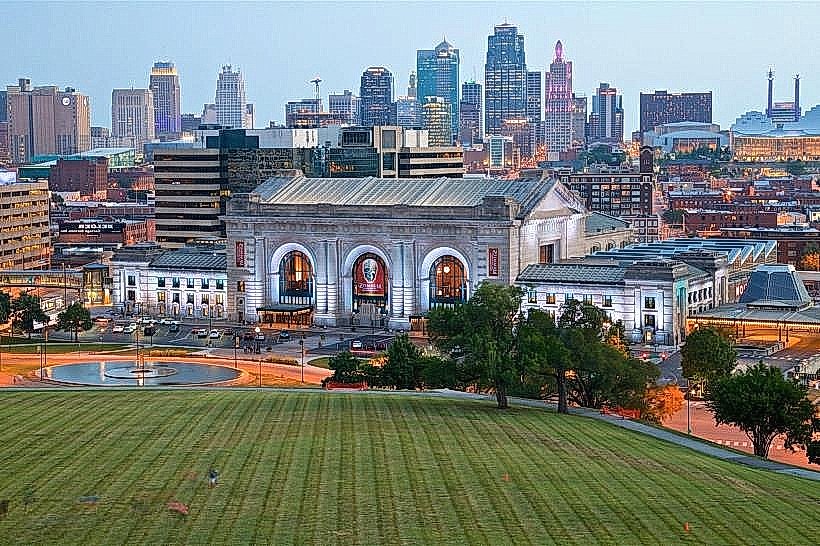
Kansas City Metro/Johnson County (Finance/Tech/Retail): Hub city is Overland Park.
South Central (Aerospace/Manufacturing): Hub city is Wichita.
The High Plains (Agriculture/Energy): Hub city is Garden City.
Local Cost Index
1L Water: $2.00 USD
1 Domestic Beer: $5.50 USD
1 Sim Card (Data Plan): $45.00 USD
Facts & Legends
"Sinkhole Sam" is a prominent local legend in Inman, described as a 15-foot serpentine creature first reported in Big Basin in 1952. The state is also home to the "Sallie House" in Atchison, considered one of the most haunted locations in the U.S. and a center for regional ghost lore. Historically, Kansas is the setting for L. Frank Baum's The Wonderful Wizard of Oz, and the state fossil is the Pteranodon, a prehistoric flying reptile found in the western chalk beds.