Information
Landmark: Kansas State FairgroundsCity: Hutchinson
Country: USA Kansas
Continent: North America
Kansas State Fairgrounds, Hutchinson, USA Kansas, North America
The Kansas State Fairgrounds is a large event venue located in Hutchinson, Kansas, USA. It serves as the primary site for the annual Kansas State Fair and hosts various other events throughout the year.
Visual Characteristics
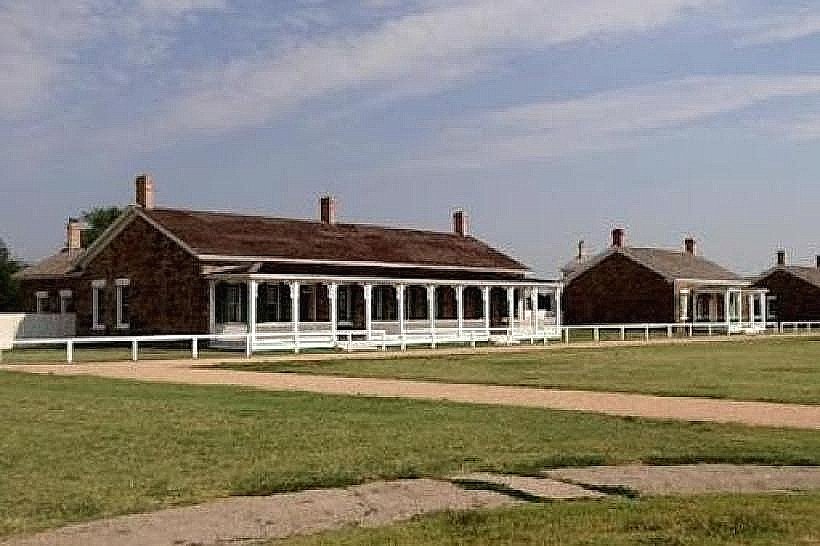
The fairgrounds encompass approximately 120 acres. Structures include numerous exhibition buildings constructed from brick and metal, a grandstand with seating for thousands, and various smaller pavilions and barns. The grounds are largely paved with asphalt and concrete, with open grassy areas interspersed between buildings. A prominent feature is the large Ferris wheel, visible from a distance.
Location & Access Logistics
The Kansas State Fairgrounds are situated at 2000 N Poplar St, Hutchinson, KS 67502. This is approximately 1.5 miles north of downtown Hutchinson. Access is via Poplar Street, which connects to US-50. Ample parking is available on-site during events, with designated lots and overflow areas. Public transport options are limited; the Hutchinson Metro Area Transit (HMAT) bus system may have routes that pass near the fairgrounds, but specific event shuttle services are more common during the State Fair.
Historical & Ecological Origin
The Kansas State Fairgrounds were established in 1913. The original purpose was to provide a central location for showcasing agricultural products, livestock, and industrial innovations from across the state. The site was chosen for its accessibility and available land. Ecologically, the area is part of the Great Plains region, characterized by prairie grasses and a semi-arid climate.
Key Highlights & Activities
During the annual Kansas State Fair (typically held in September), activities include livestock exhibitions, agricultural product judging, carnival rides, live musical performances on the grandstand stage, and a variety of food vendors. Outside of the fair, the grounds host trade shows, concerts, and sporting events. Specific activities depend on the scheduled events.
Infrastructure & Amenities
Restrooms are available in multiple buildings across the grounds. Shade is provided by the roofs of exhibition buildings and pavilions. Cell phone signal (4G/5G) is generally reliable throughout the fairgrounds. Food vendors are abundant during the State Fair; outside of this period, nearby restaurants are located in Hutchinson.
Best Time to Visit
The primary event, the Kansas State Fair, runs for 10 days in September. The best time of day for photography of the grounds and structures is typically late afternoon, when the sun is lower and casts longer shadows. Weather in September is generally mild, with average daytime temperatures ranging from 60-80°F (15-27°C).
Facts & Legends
A unique historical oddity is the "Big Well" located in Hutchinson, which, while not on the fairgrounds itself, is a significant local attraction and a testament to the area's history of water scarcity and engineering. The fairgrounds have been a consistent venue for agricultural education and competition for over a century.
Nearby Landmarks
- The Big Well Museum (1.2km Southwest)
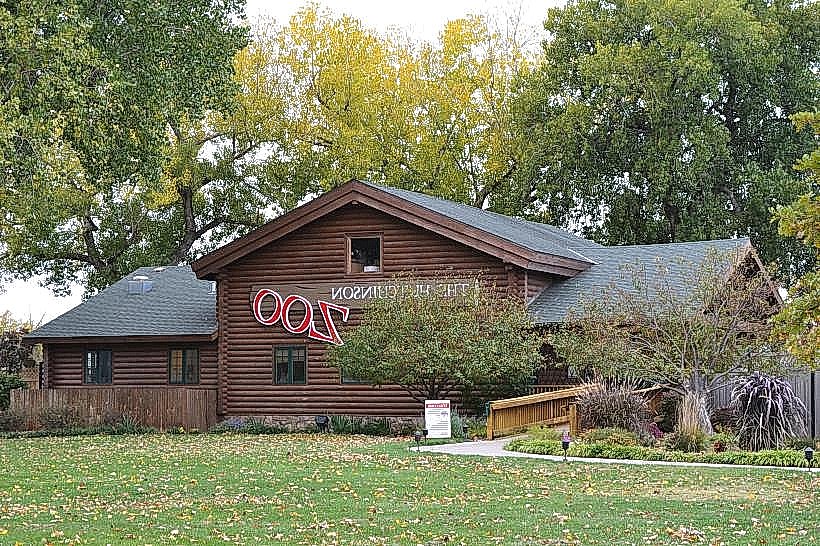
- Hutchinson Zoo (2.5km South)
- Dillon Nature Center (3.8km Southwest)
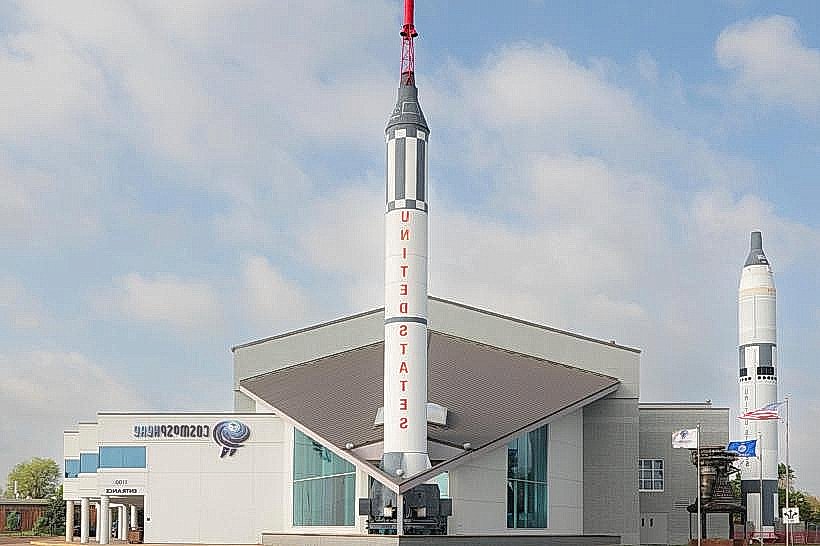
- Kansas Cosmosphere and Space Center (2.8km South)