Information
Landmark: Castle RockCity: Hutchinson
Country: USA Kansas
Continent: North America
Castle Rock, Hutchinson, USA Kansas, North America
Castle Rock is a prominent geological formation located in the state of Kansas, USA.
This natural landmark is situated in Gove County, approximately 15 miles southwest of Quinter.
Visual Characteristics
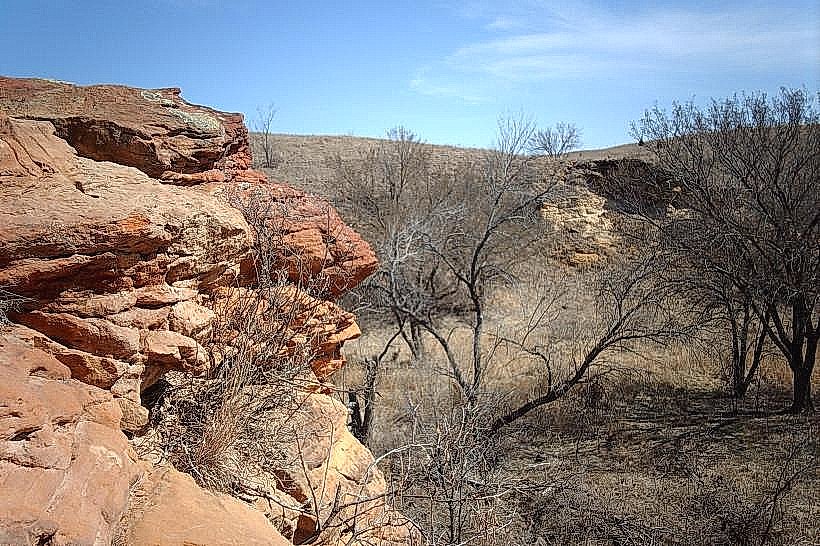
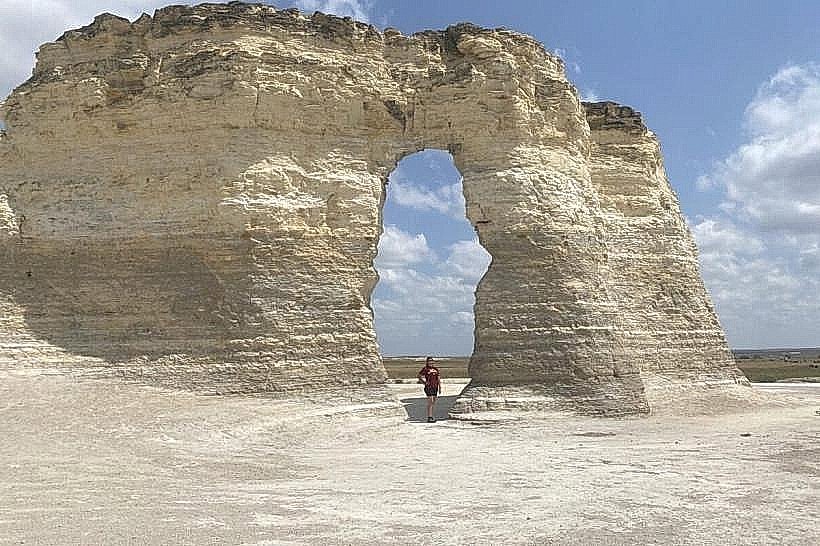
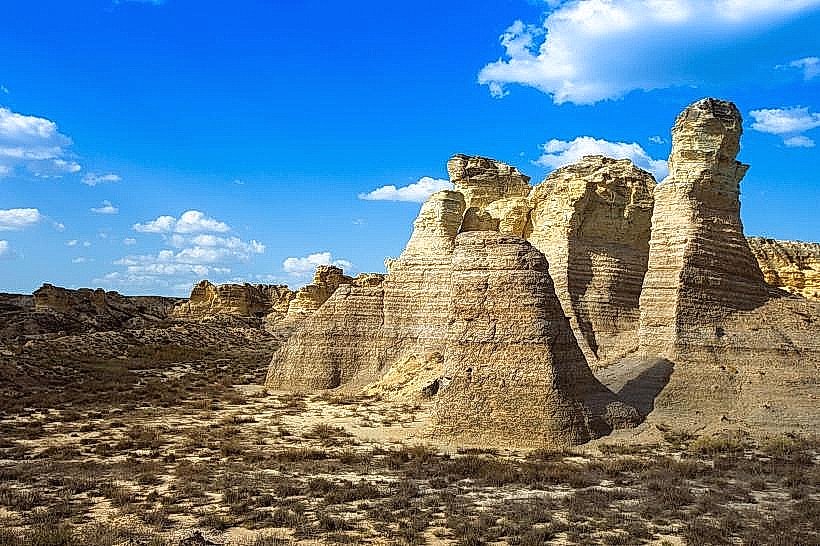
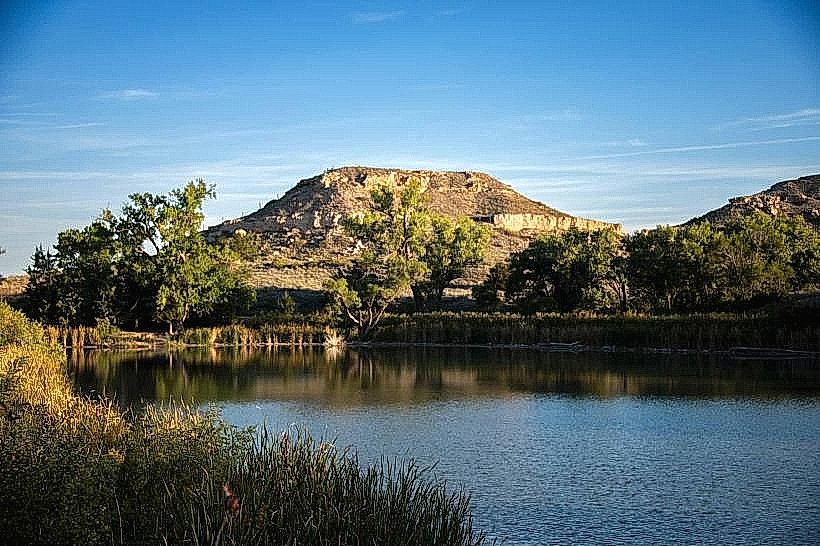
Castle Rock is a tall, slender sandstone spire, reaching an approximate height of 70 feet. Its composition consists of Niobrara Chalk, characterized by its light gray to white color. The spire exhibits erosion patterns, creating a castellated appearance that gives it its name. The surrounding terrain is prairie grassland.
Location & Access Logistics
Access to Castle Rock is via a gravel road originating from Kansas State Highway 23. Turn west onto County Road 100 (also known as Castle Rock Road) approximately 15 miles south of Quinter. Continue on this road for approximately 10 miles. The final approach is a dirt track requiring a high-clearance vehicle. Parking is available at the base of the formation. No public transport services reach this location.
Historical & Ecological Origin
Castle Rock is a remnant of the Smoky Hill Chalk Member of the Niobrara Formation, deposited during the Late Cretaceous period. This chalk was formed from the skeletal remains of marine organisms in a shallow inland sea. The spire itself is a result of differential erosion, where harder chalk layers protected softer underlying material.
Key Highlights & Activities
Observation of the geological formation is the primary activity. Photography is permitted. Hiking is possible in the immediate vicinity, but climbing the spire is prohibited due to its fragile nature and to preserve the site.
Infrastructure & Amenities
No facilities are present at Castle Rock. There are no restrooms, shade structures, or food vendors. Cell phone signal is unreliable to non-existent in this remote area.
Best Time to Visit
For optimal photography, early morning or late afternoon light provides the best illumination of the spire's texture and form. The months of April through October offer the most favorable weather conditions, avoiding potential winter snow or ice. The site is accessible year-round, weather permitting.
Facts & Legends
Castle Rock was once taller, but erosion has significantly reduced its height over time. Local folklore sometimes associates the formation with ancient Native American stories, though specific documented legends are scarce. A practical tip is to carry sufficient water and fuel, as services are distant.
Nearby Landmarks
- Monument Rocks National Natural Landmark: 10km Southwest
- Sternberg Museum of Natural History (Hays, KS): 60km East
- Lake Scott State Park: 40km Southeast
- Cedar Bluff State Park: 55km Southeast