Information
Landmark: Pawnee RockCity: Hutchinson
Country: USA Kansas
Continent: North America
Pawnee Rock, Hutchinson, USA Kansas, North America
Pawnee Rock is a prominent geological formation located in Pawnee Rock, Kansas, USA.
This sandstone outcropping served as a significant landmark for travelers on the Santa Fe Trail.
Visual Characteristics
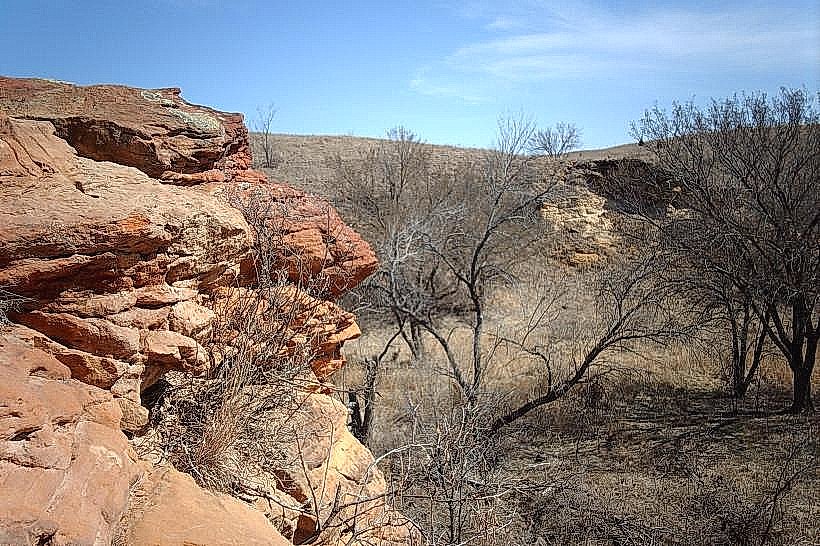
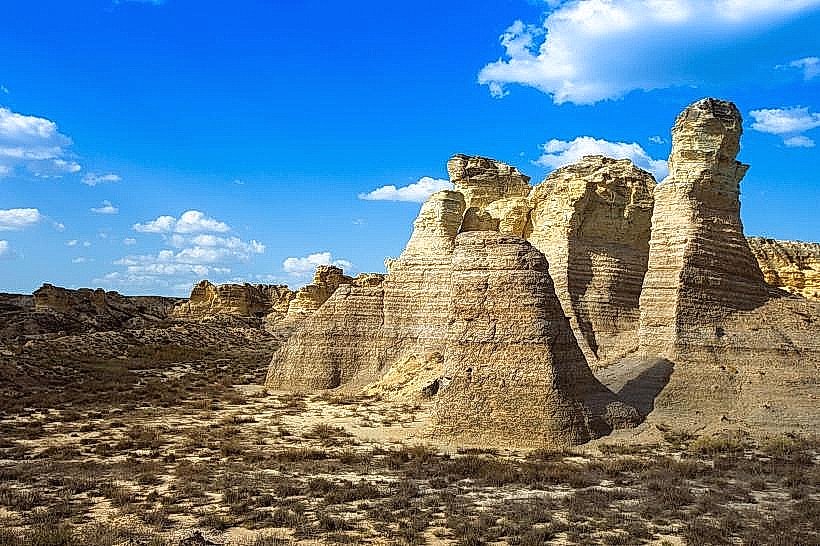
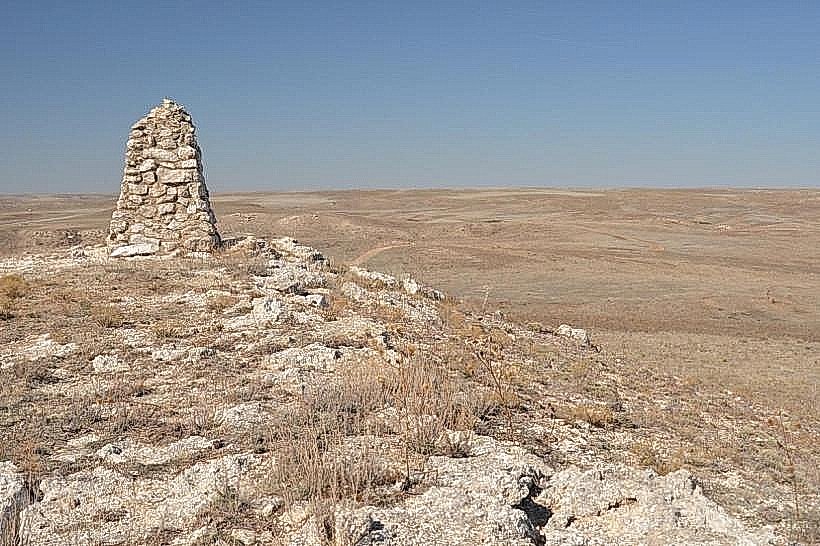
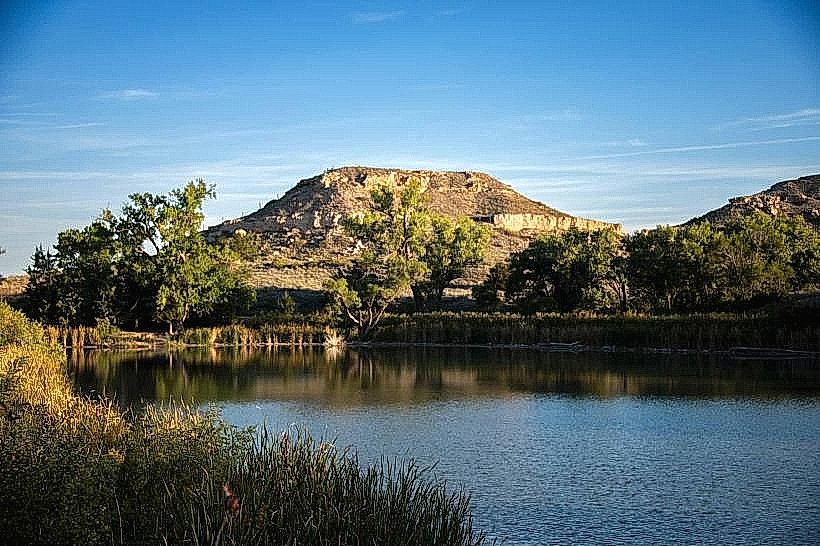
Pawnee Rock is a flat-topped sandstone mesa, approximately 15 meters (50 feet) above the surrounding prairie. Its exposed rock faces exhibit layers of sedimentary rock, primarily sandstone and shale, with evidence of erosion. The summit offers a panoramic view of the Arkansas River valley.
Location & Access Logistics
Pawnee Rock is situated 1.6 kilometers (1 mile) west of the city of Pawnee Rock, Kansas, directly south of U.S. Route 56. Access is via a paved road leading to a designated parking area at the base of the rock. No public transportation services extend directly to the site.
Historical & Ecological Origin
Geologically, Pawnee Rock is composed of Cretaceous period sedimentary rock, formed approximately 80 million years ago. Historically, it was a crucial reference point for emigrants and traders traversing the Santa Fe Trail from the 1820s to the 1870s. It was a common stopping point for rest and observation.
Key Highlights & Activities
Visitors can ascend to the summit via a constructed pathway and stairs. Observation decks are present at the top. The primary activity is viewing the landscape and understanding its historical significance as a trail landmark.
Infrastructure & Amenities
A small parking area is available. Interpretive signage detailing the history of the Santa Fe Trail and Pawnee Rock is present. Restrooms are not available on-site. Cell phone signal is generally reliable (4G/5G).
Best Time to Visit
For optimal visibility and comfortable temperatures, early morning or late afternoon is recommended, particularly during spring (April-May) and fall (September-October). Midday sun can be intense, with limited shade.
Facts & Legends
A significant historical event occurred at Pawnee Rock in 1829 when a group of Comanche warriors attacked a wagon train, resulting in casualties on both sides. The rock was also a site where Native American tribes would gather and conduct ceremonies.
Nearby Landmarks
- Barton County Historical Society Museum (15km Northwest)
- Cheyenne Bottoms Wildlife Area (25km Northeast)
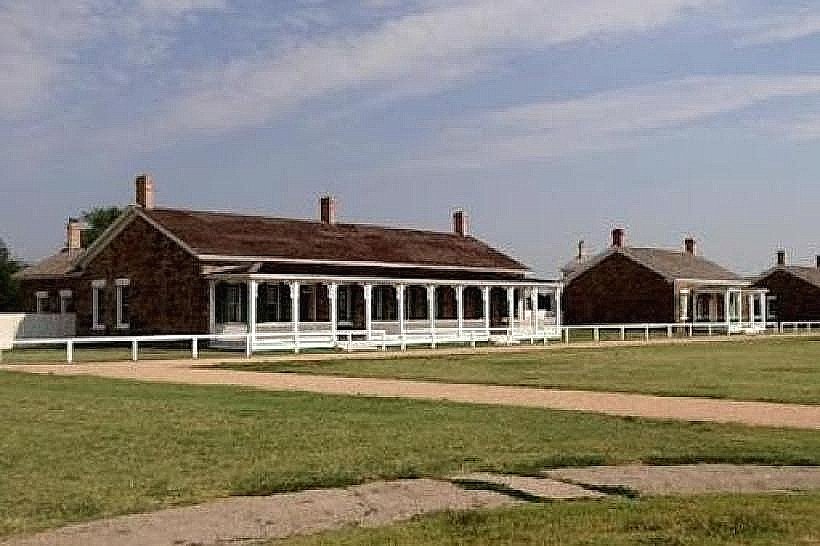
- Fort Larned National Historic Site (40km Southwest)