Information
Landmark: Historical Downtown HutchinsonCity: Hutchinson
Country: USA Kansas
Continent: North America
Historical Downtown Hutchinson, Hutchinson, USA Kansas, North America
Historical Downtown Hutchinson is a district located in Hutchinson, Kansas, USA.
This area preserves the architectural and commercial heritage of the city's early development.
Visual Characteristics
Buildings in Historical Downtown Hutchinson primarily feature brick construction, with some structures incorporating limestone accents. Architectural styles range from late 19th-century Victorian and Romanesque Revival to early 20th-century Art Deco influences. Facades often display detailed cornices, arched windows, and decorative brickwork. Streetscapes are characterized by mature trees lining sidewalks and a consistent building height, generally two to four stories.
Location & Access Logistics
The district is situated in the central business district of Hutchinson, Kansas. It is bordered by 1st Avenue to the north, 5th Avenue to the south, Main Street to the east, and Washington Street to the west. The approximate center of the district is at the intersection of Main Street and 1st Avenue. Access is via US Highway 50 (11th Avenue) and K-14 (Main Street). Ample street parking is available, with metered spaces on Main Street and surrounding avenues. Several public parking lots are located within a two-block radius of the core area. Public transportation is provided by Hutchinson Metro Area Transportation (HMAT) bus routes, with several stops along Main Street and 1st Avenue.
Historical & Ecological Origin
The development of Historical Downtown Hutchinson began in the late 1870s following the arrival of the railroad. The area served as the primary commercial and administrative hub for the growing agricultural community. Key buildings were constructed between 1880 and 1930, reflecting the economic prosperity of the era. The district's original purpose was to facilitate trade, provide essential services, and house local government functions. No specific ecological origin is applicable as this is a man-made urban environment.
Key Highlights & Activities
Visitors can explore a variety of independent retail shops, including boutiques, antique stores, and specialty food markets. Several restaurants and cafes offer dining options. Architectural walking tours are available, focusing on the historical significance of the buildings. The Hutchinson Public Library, located within the district, offers historical archives. Seasonal events, such as farmers' markets and holiday celebrations, occur in the public spaces.
Infrastructure & Amenities
Restrooms are available in select businesses and public facilities. Shade is provided by street trees and awnings on some buildings. Cell phone signal (4G/5G) is generally strong throughout the district. Food vendors and restaurants are present within the downtown area.
Best Time to Visit
For photography, the best time of day is typically mid-morning (9:00 AM - 11:00 AM) or late afternoon (3:00 PM - 5:00 PM) to capture favorable lighting on the building facades. The best months for visiting are April through October, offering mild weather suitable for walking and outdoor activities. No specific tide requirements are applicable.
Facts & Legends
A notable historical oddity is the presence of underground tunnels, rumored to have been used during Prohibition for transporting illicit goods. While their exact extent and original purpose remain debated, some sections are accessible via guided tours offered by local historical societies.
Nearby Landmarks
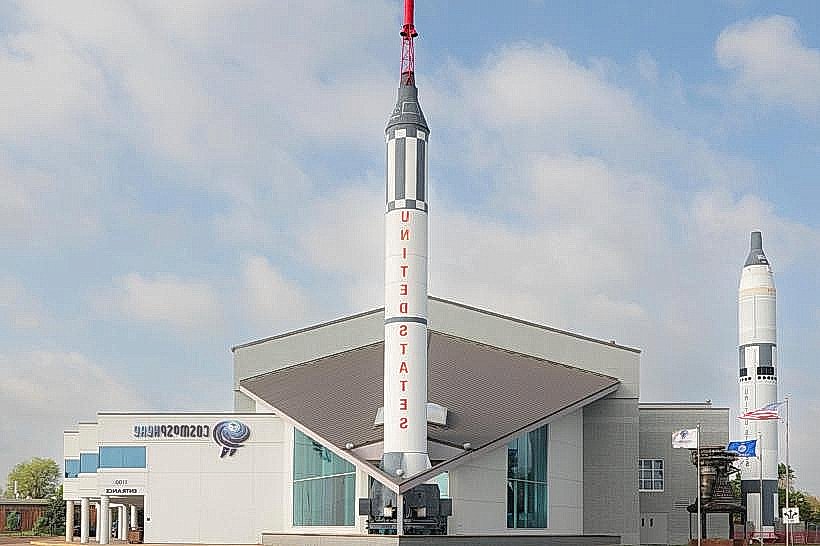
- Kansas Cosmosphere and Space Center (1.2km Southwest)
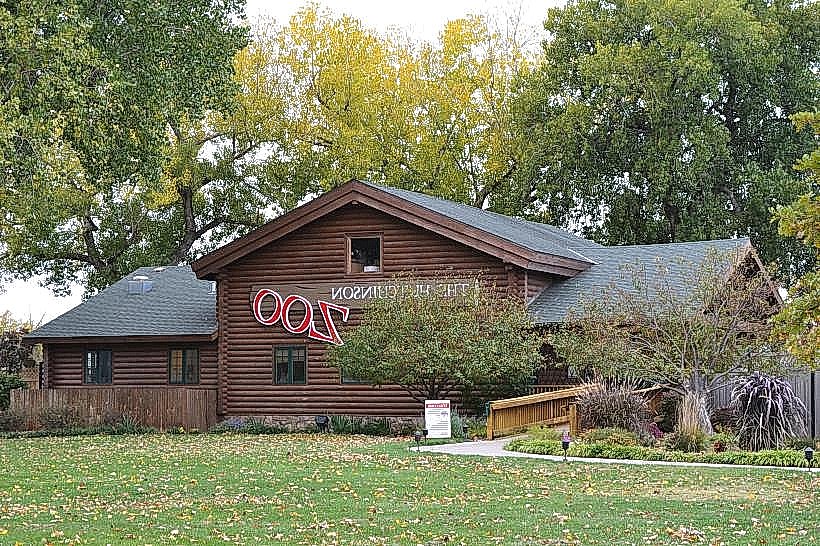
- Hutchinson Zoo (1.5km West)
- Salt City Brewing Company (0.8km Northeast)
- Reno County Museum (0.6km South)
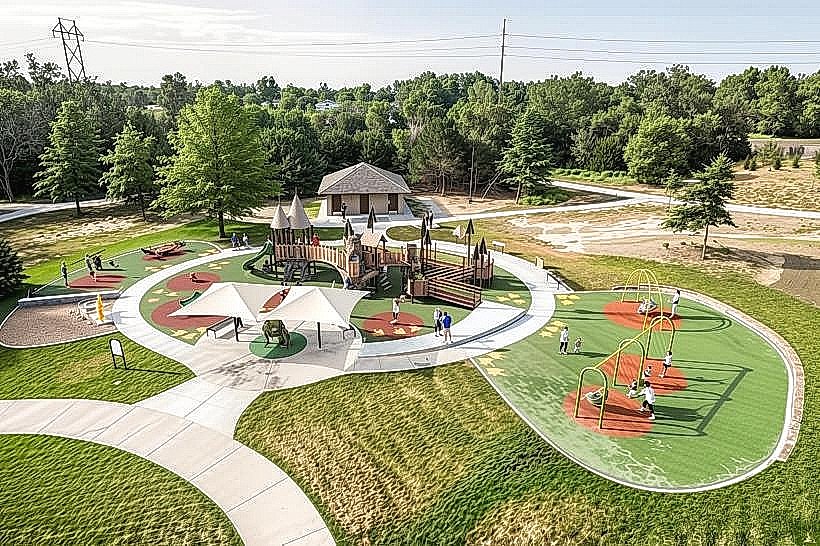
- Carey Park (1.8km West)