Information
Landmark: Sand Hills State ParkCity: Hutchinson
Country: USA Kansas
Continent: North America
Sand Hills State Park, Hutchinson, USA Kansas, North America
Sand Hills State Park is a protected area located in Hutchinson, Kansas, USA. It encompasses a significant portion of the Arkansas River Valley's sand dune ecosystem.
Visual Characteristics
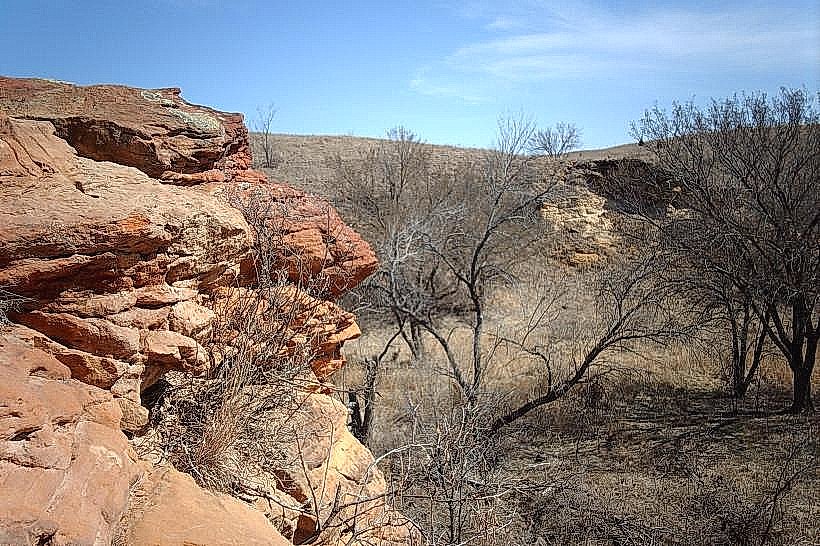
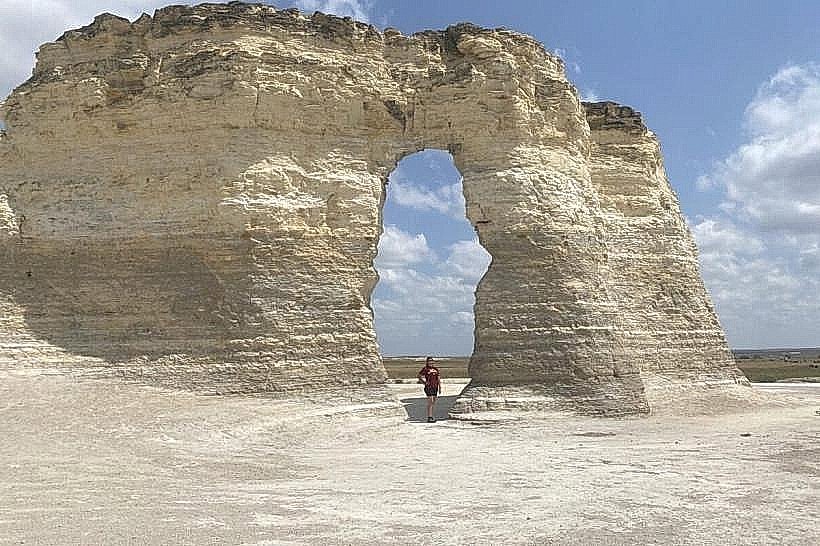
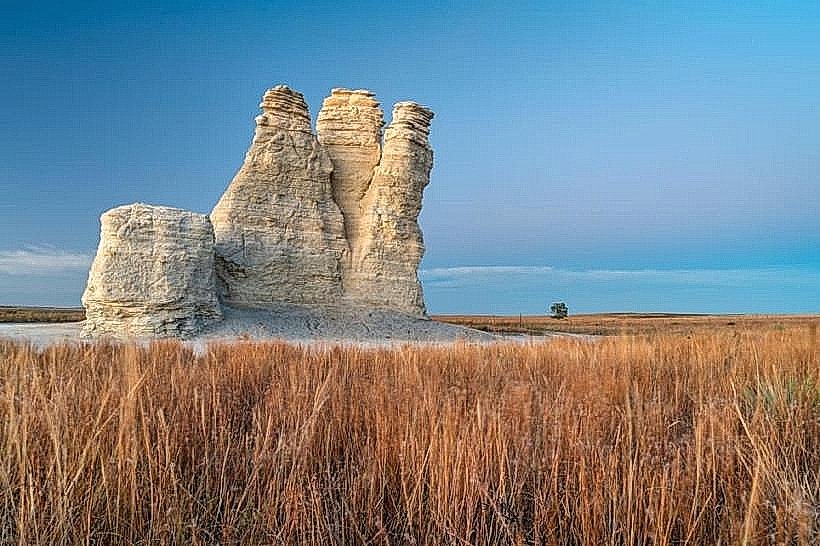
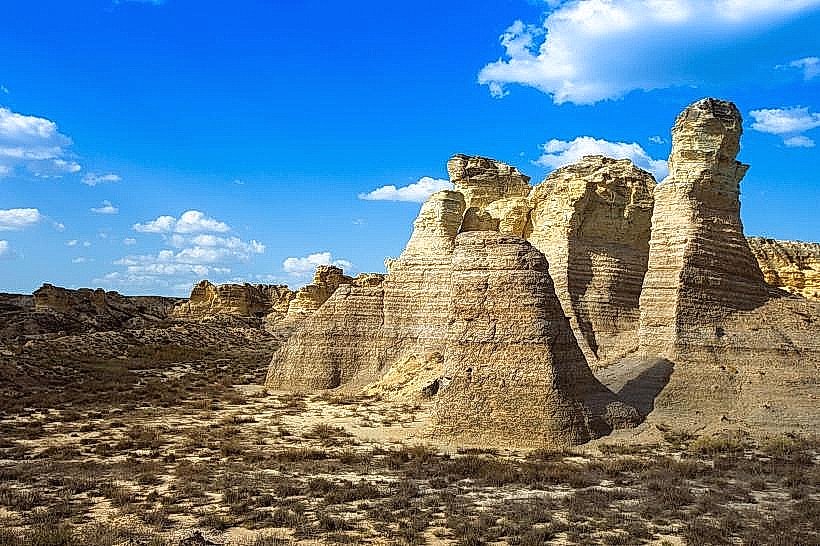
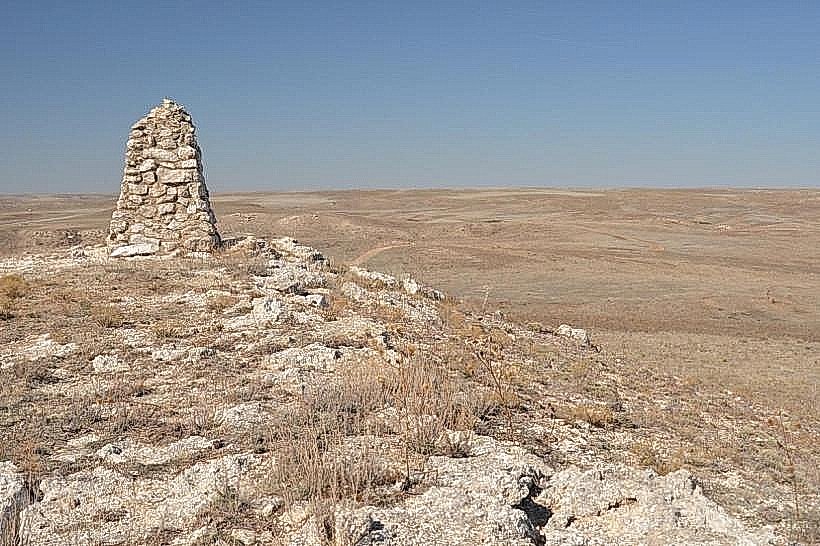
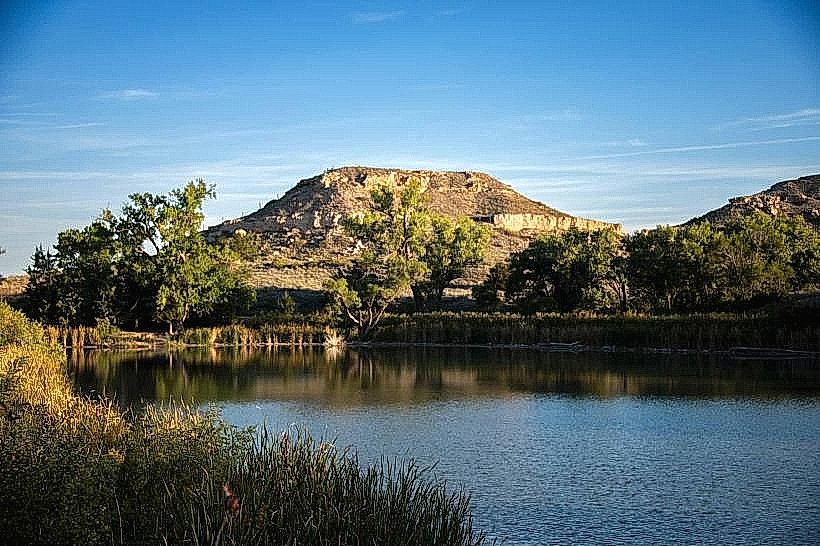
The park features rolling sand dunes, some reaching heights of up to 20 feet. The sand is fine-grained and light tan in color. Vegetation consists primarily of native prairie grasses, yucca plants, and scattered cottonwood trees. The Arkansas River forms the southern boundary of the park.
Location & Access Logistics
Sand Hills State Park is situated approximately 10 miles southeast of Hutchinson, Kansas. Access is via State Highway 14, turning south onto 82nd Avenue. The park entrance is clearly marked. Parking is available at designated lots near the main trailheads and picnic areas. No public transport services operate directly to the park.
Historical & Ecological Origin
The sand dunes are a remnant of ancient riverbed deposits from the Arkansas River, formed over thousands of years by wind erosion and deposition. This area represents one of the largest remaining contiguous sand prairie ecosystems in the Great Plains. The park was established to preserve this unique geological and ecological formation.
Key Highlights & Activities
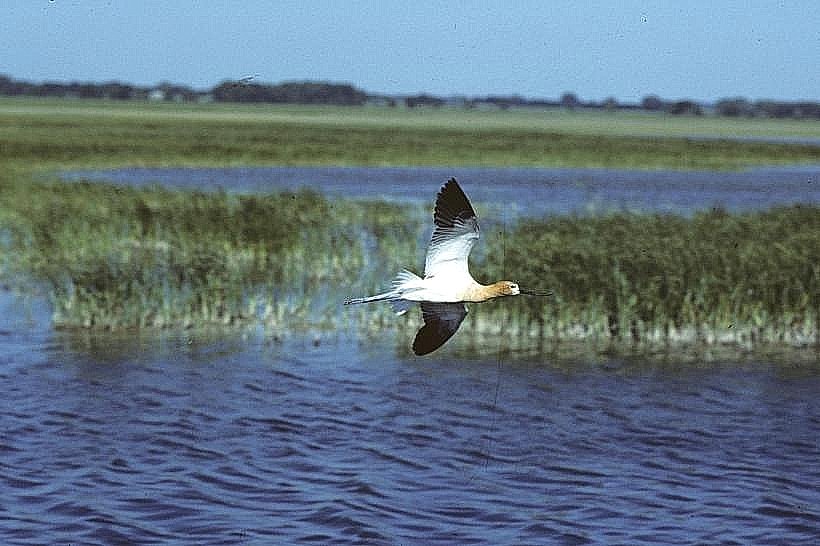
Activities include hiking on marked trails, such as the Dune Trail (2.5 miles) and the River Trail (1.5 miles). Off-road vehicle use is permitted in designated areas. Birdwatching is a popular activity due to the diverse avian species present. Picnicking is available at several designated sites.
Infrastructure & Amenities
Restrooms are available at the main park entrance and near the primary picnic areas. Limited shade is provided by scattered trees in picnic zones. Cell phone signal (4G) is generally available within the park boundaries, though it may be intermittent in more remote dune areas. No food vendors are located within the park; visitors should bring their own provisions.
Best Time to Visit
For optimal hiking conditions and wildlife viewing, visit during spring (April-May) or fall (September-October) when temperatures are moderate. Mid-morning or late afternoon provides the best natural light for photography of the dune formations. The park is accessible year-round, but summer can experience high temperatures.
Facts & Legends
Local folklore suggests that the dunes were once the site of a Native American trading post, though historical verification is limited. A specific tip for visitors: the western edge of the park offers more secluded dune exploration and is less frequented by off-road vehicles.
Nearby Landmarks
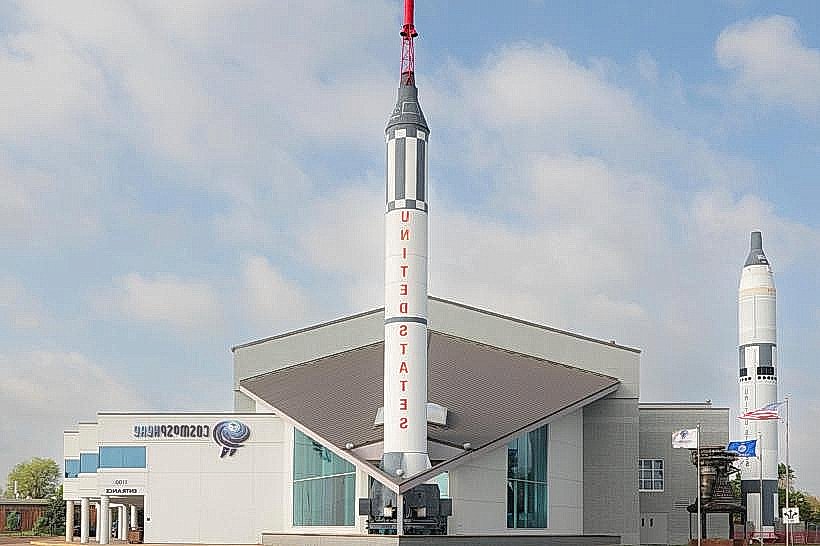
- Kansas Cosmosphere and Space Center (12km Northwest)
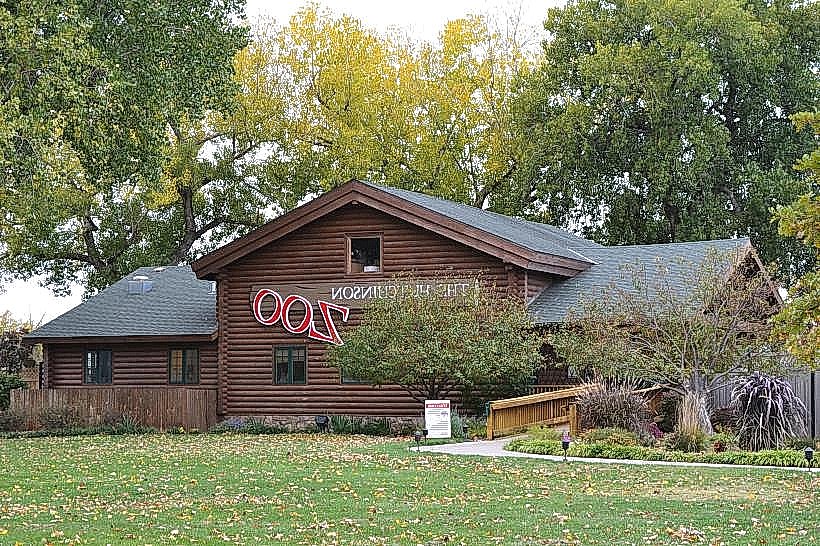
- Hutchinson Zoo (11km Northwest)
- Strataca: Kansas Underground Salt Museum (13km Northwest)
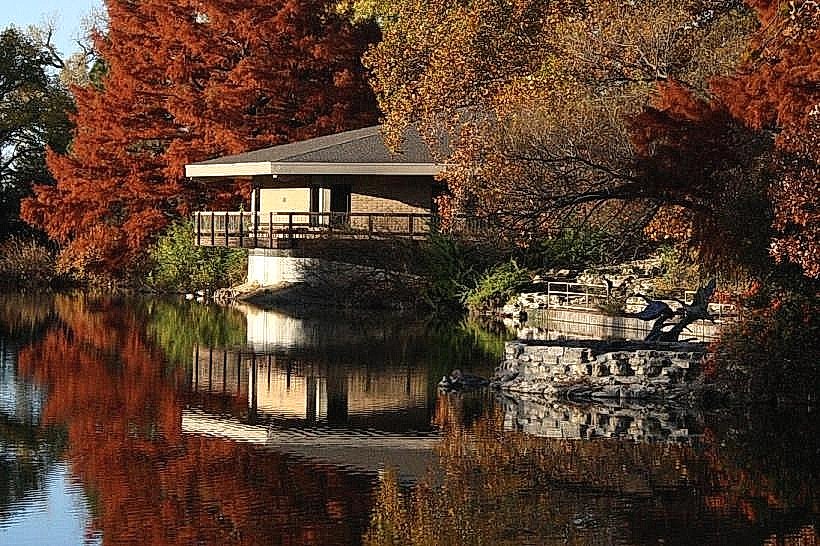
- Dillon Nature Center (9km Northwest)