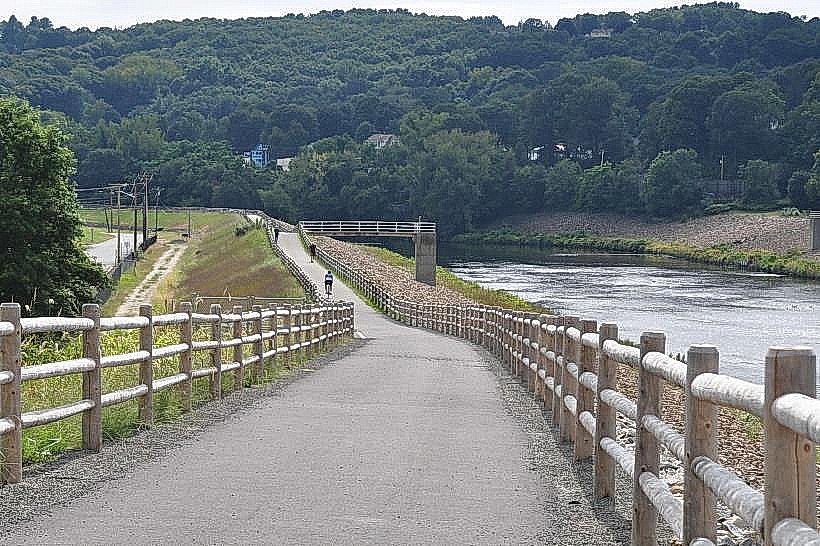
Information
Landmark: Fort Laramie Historic SiteCity: Torrington
Country: USA Wyoming
Continent: North America
Fort Laramie Historic Site, Torrington, USA Wyoming, North America
Lake Metigoshe State Park is a protected natural area situated in the Turtle Mountains of North Dakota, near the Canadian border.
Visual Characteristics
The park features a glacial lake with clear, blue water surrounded by mixed deciduous and coniferous forests. Rolling hills and rocky outcrops are characteristic of the terrain. The vegetation includes aspen, oak, and pine trees, with a dense undergrowth of shrubs and wildflowers during warmer months. The lake shoreline varies from sandy beaches to rocky edges.
Location & Access Logistics
Lake Metigoshe State Park is located approximately 25 kilometers (15.5 miles) north of Dunseith, North Dakota. Access is via State Highway 43, turning north onto County Road 42. The park entrance is clearly marked. Ample parking is available at various points within the park, including near the main beach, campground, and trailheads. Public transport is not available to the park; private vehicle is required.
Historical & Ecological Origin
The park's landscape was shaped by glacial activity during the last ice age, resulting in the formation of the lake and the surrounding topography. The area is part of the Turtle Mountains, an ancient erosional remnant that supports a unique ecosystem distinct from the surrounding prairie. The park was established to preserve this natural environment and provide recreational opportunities.
Key Highlights & Activities
Activities include swimming at the designated beach area, boating (non-motorized and electric motors only), fishing for walleye, northern pike, and perch. Hiking trails range from short nature walks to longer routes through the forest. Birdwatching is a popular activity due to the diverse avian population. Camping is available in designated campgrounds.
Infrastructure & Amenities
Restrooms and shower facilities are available in the campground and near the beach area. Picnic tables and shelters are located throughout the park. Shade is provided by the forest canopy in many areas. Cell phone signal (4G) is generally available in most developed areas of the park, but can be intermittent in more remote sections. Food vendors are not present within the park; visitors should bring their own supplies or purchase them in Dunseith.
Best Time to Visit
The best time for general visitation is from late May through September, when temperatures are mild and all facilities are operational. For photography, early morning and late afternoon offer optimal lighting conditions due to the angle of the sun. The lake is suitable for swimming from June to August. Fishing is productive throughout the warmer months. Ice fishing is possible in winter, typically from December to February, depending on ice thickness.
Facts & Legends
A local legend speaks of a "spirit of the lake" that protects the area, though no verifiable accounts exist. A specific tip for visitors is to explore the less-trafficked trails on the western side of the park for a more secluded experience of the forest and lake views.
Nearby Landmarks
- Turtle Mountain Indian Reservation (10km Northwest)
- International Peace Garden (25km West)
- Rolette County Historical Museum (Dunseith) (25km South)
- Bottineau Winter Park (40km Southeast)