Information
Landmark: East Elm Street Historic DistrictCity: Torrington
Country: USA Connecticut
Continent: North America
East Elm Street Historic District, Torrington, USA Connecticut, North America
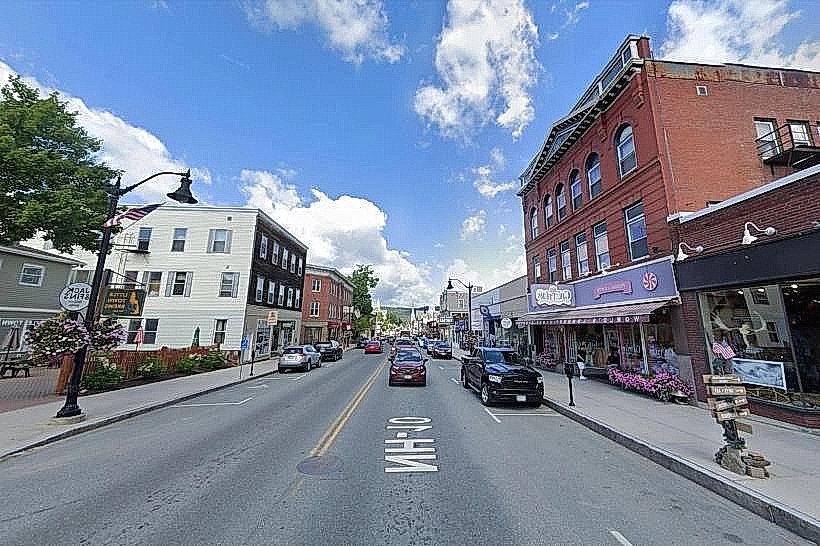
East Elm Street Historic District, located in Torrington, Connecticut, is a residential historic district that showcases the architectural and social development of the city from the 19th to early 20th centuries. The district reflects Torrington’s growth as a prosperous industrial and civic center while preserving a cohesive collection of historically significant homes and streetscapes.
Historical Background
Development: The district developed primarily between the mid-1800s and early 1900s, coinciding with Torrington’s rise as a center for brass manufacturing, textiles, and other industries.
Significance: It represents the residential patterns of the city’s industrial, professional, and merchant classes, providing insight into urban growth, social hierarchies, and architectural trends.
Preservation: Recognized for its historical integrity, the district maintains original streetscapes, building materials, and architectural details.
Architecture and Features
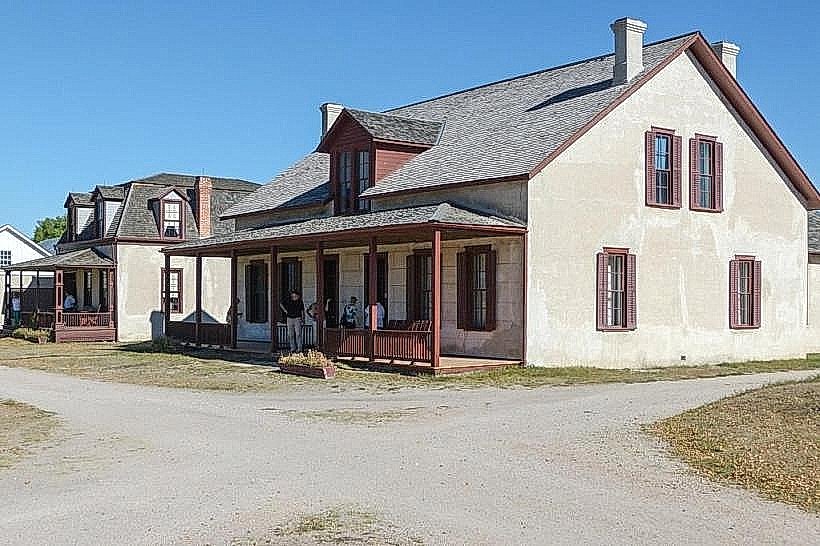
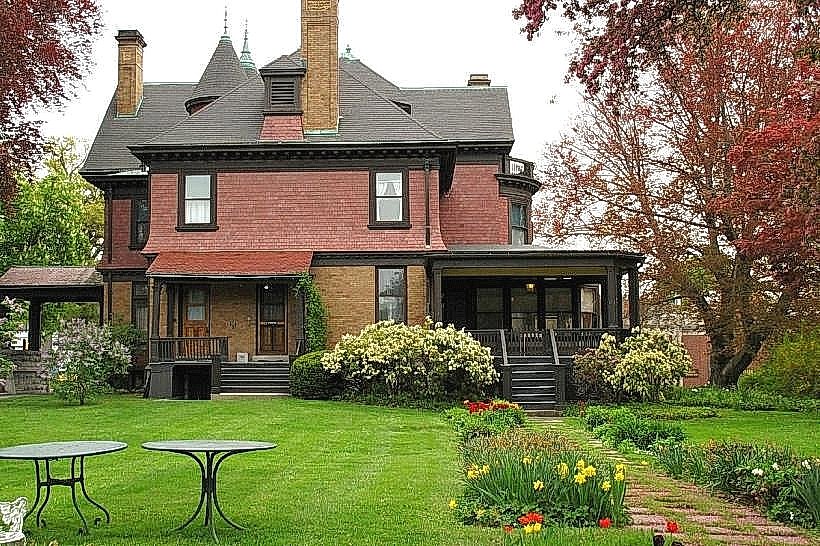
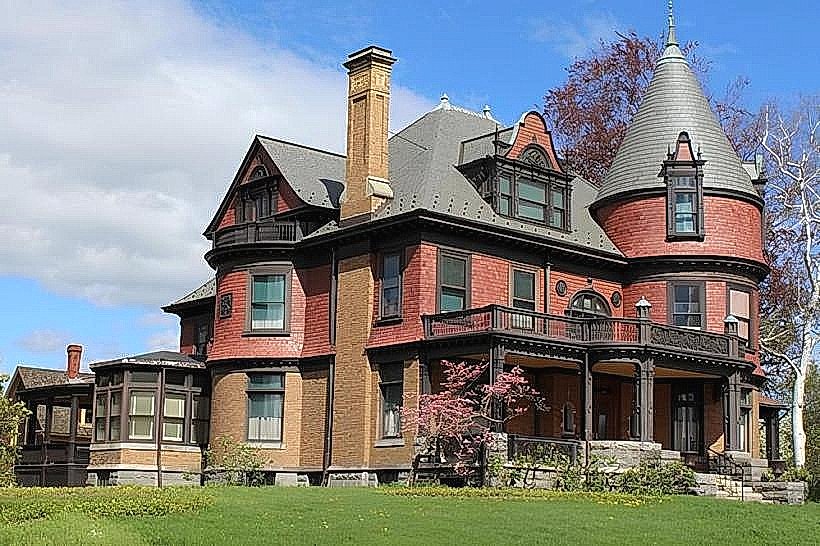
Styles Represented: Includes Greek Revival, Italianate, Queen Anne, Colonial Revival, and Craftsman styles, reflecting changing tastes over several decades.
Residential Structures: Predominantly single-family homes, many with elaborate detailing, decorative woodwork, porches, and landscaped yards.
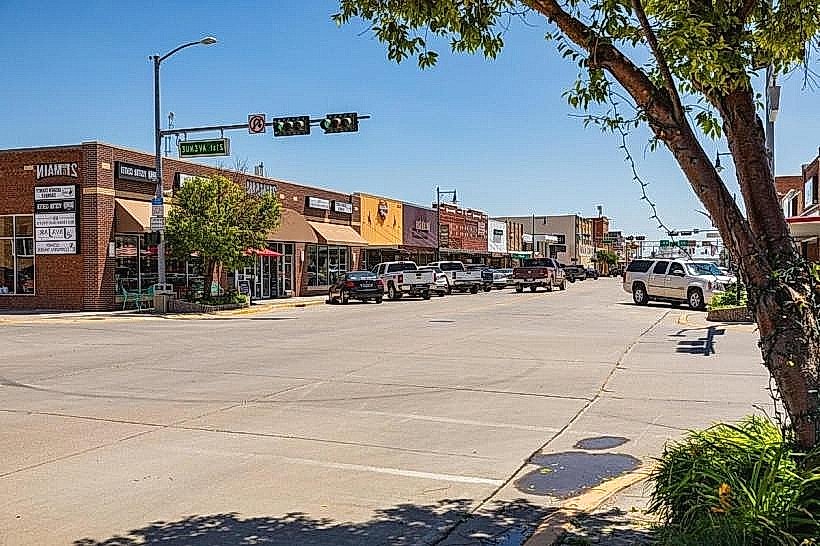
Streetscape: Tree-lined streets, uniform setbacks, sidewalks, and period fencing create a cohesive and historically evocative environment.
Complementary Features: Some properties include carriage houses, gardens, and historically significant outbuildings, adding depth to the district’s character.
Cultural and Community Significance
Residential Heritage: The district illustrates the domestic life of Torrington’s affluent and middle-class residents during its industrial expansion.
Architectural Education: Offers a tangible record of architectural evolution and urban development in a New England industrial town.
Community Identity: Contributes to Torrington’s sense of history and pride, linking present-day residents to the city’s past.
Visitor Experience
Walking and Sightseeing: Visitors can explore the district on foot, appreciating architectural details, landscaped gardens, and the continuity of historic streetscapes.
Photography and Study: The district provides excellent opportunities for architectural photography, historical research, and heritage tourism.
Residential Context: While primarily private residences, exterior viewing and interpretation signage may provide historical context for visitors.
Visitor Information
Location: East Elm Street, Torrington, Connecticut, within proximity to downtown and other historic neighborhoods.
Hours: Publicly accessible for exterior viewing at all times; interior access restricted to private property unless part of organized tours or events.
Admission: Free for walking and sightseeing; respect for private property is required.
Facilities: Public sidewalks and street parking; visitor amenities located nearby in downtown Torrington.
East Elm Street Historic District is a well-preserved example of residential growth tied to Torrington’s industrial and social history, showcasing diverse architectural styles and the city’s evolution from a 19th-century industrial hub to a community with a strong sense of heritage. The district provides both visual appeal and historical insight for residents, students, and visitors.