Information
Landmark: Fushimi Inari ShrineCity: Kyoto
Country: Japan
Continent: Asia
Fushimi Inari Shrine, Kyoto, Japan, Asia
Fushimi Inari Taisha (伏見稲荷大社) is one of the most famous and significant Shinto shrines in Kyoto, Japan. It is renowned for its iconic torii gates and its association with Inari, the deity of rice, agriculture, and prosperity. Located at the base of Mount Inari, the shrine attracts millions of visitors annually due to its cultural importance, stunning architecture, and scenic beauty.
Overview:
- Location: Southern Kyoto, Japan, at the foot and along the trails of Mount Inari.
- Deity: The shrine is dedicated to Inari, the Shinto god of rice, fertility, and prosperity, worshipped widely across Japan. Foxes (kitsune) are considered the messengers of Inari and are commonly depicted in statues throughout the shrine complex.
- Establishment: Fushimi Inari Taisha is believed to have been founded in the 8th century, making it one of the oldest and most historically significant shrines in Japan.
Key Features of Fushimi Inari Taisha:
1. The Torii Gates (Senbon Torii):
Torii Gates: One of the most famous and unique features of Fushimi Inari Taisha is the thousands of red torii gates that lead up the mountain. These gates create a surreal, tunnel-like effect as visitors walk through them. The gates are donated by individuals and businesses, and each one has a donor's name and the donation amount inscribed on the back.
Senbon Torii: The phrase “Senbon Torii” (千本鳥居) translates to "thousands of torii gates," referring to the large collection of gates that form paths and trails throughout the shrine grounds and up the mountain. Walking through the gates offers an otherworldly experience, especially when they line the paths in long corridors.
Symbolism: The torii gates are symbolic gateways to the sacred realm of the gods in Shinto beliefs. Their vivid red color is said to ward off evil spirits and is associated with good fortune and prosperity.
2. Fox Statues (Kitsune):
Kitsune: Foxes are considered the messengers of Inari, and they are often depicted in statues throughout the shrine. The kitsune statues can be seen holding a key in their mouths, which is believed to open the rice granaries.
Symbolism: Foxes are believed to possess spiritual power and are thought to have the ability to ward off evil spirits. The kitsune is central to the shrine's iconography and significance.
3. The Main Shrine (Honden):
The Main Shrine is located at the base of the mountain and is the central focus of Fushimi Inari Taisha. It is dedicated to Inari and serves as the spiritual heart of the shrine complex.
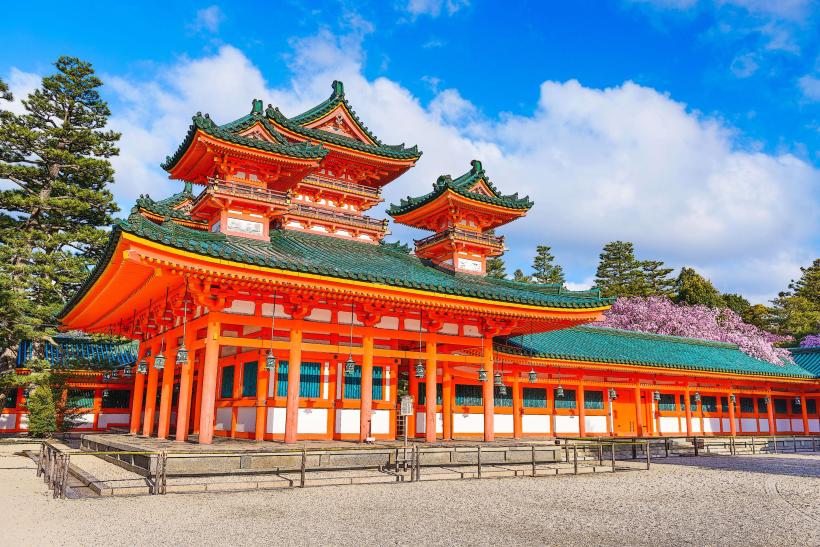
Architecture: The main shrine is built in the traditional Shinto style and features intricate details, including tiled roofs, wooden beams, and brightly colored gates. The Honden (main hall) is a place of worship where visitors can offer prayers for blessings, prosperity, and success.
4. Trails to the Top of Mount Inari:
Fushimi Inari Taisha is not only a shrine but also a mountain trail. The shrine grounds extend up Mount Inari, and there are several hiking trails that lead visitors through the torii gates and up to the top of the mountain.
Length: The full hike to the summit of Mount Inari is about 2-3 hours round trip, depending on the pace. Along the trail, visitors pass smaller shrines, natural scenery, and continue to see the iconic torii gates lining the path.
Views: From the top of Mount Inari, visitors are rewarded with panoramic views of Kyoto and the surrounding countryside. The hike is peaceful, and the surrounding woods and forests create a tranquil atmosphere.
5. Smaller Shrines and Sub-Shrines:
As visitors ascend the mountain, they encounter dozens of smaller shrines and sub-shrines along the way. Each of these shrines is dedicated to different aspects of Inari, and many of them are adorned with additional torii gates and kitsune statues.
Sub-Shrines: The smaller shrines are often peaceful and quiet, offering an opportunity for contemplation and reflection. Some of these shrines are nestled in lush green areas, surrounded by nature, providing a tranquil setting away from the crowds.
6. The Vermilion Color:
- The vermilion color of the torii gates, buildings, and various structures in Fushimi Inari Taisha is not only visually striking but also holds spiritual significance. Vermilion is believed to be a protective color, guarding against evil spirits and misfortune. This rich, vibrant color enhances the mystical and sacred atmosphere of the shrine.
7. Inari-zushi:
- Inari-zushi (or Inari sushi) is a popular food associated with Fushimi Inari Taisha and the Inari deity. These are rice-filled pockets of sweetened tofu skin, often sold by food vendors around the shrine. The tofu skin is said to symbolize the fox's ears and is a symbol of abundance and nourishment.
Cultural and Spiritual Significance:
Shinto Religion: Fushimi Inari Taisha is one of the most important Shinto shrines in Japan. Shinto is Japan’s indigenous religion, and it is based on the belief in kami, or spirits, which inhabit all aspects of nature. The shrine is believed to serve as a portal to the divine realm of Inari, and people visit it to pray for good fortune, successful business, and the protection of their families.
Prosperity and Business: Many business owners visit Fushimi Inari Taisha to pray for prosperity and success in their ventures. The association with rice (a staple food in Japan) and agriculture makes Inari a popular deity for those seeking good fortune in financial matters.
Annual Festivals: The shrine hosts several Shinto festivals throughout the year, including the Inari Matsuri held in February, which is one of the largest festivals in Kyoto. It celebrates the deity Inari with traditional rituals, performances, and processions.
Best Time to Visit:
Morning or Late Afternoon: Fushimi Inari Taisha is one of the most popular tourist destinations in Kyoto, so it can get crowded during the day. To avoid the crowds, it’s recommended to visit early in the morning or later in the afternoon, when the light is softer and the atmosphere is more peaceful.
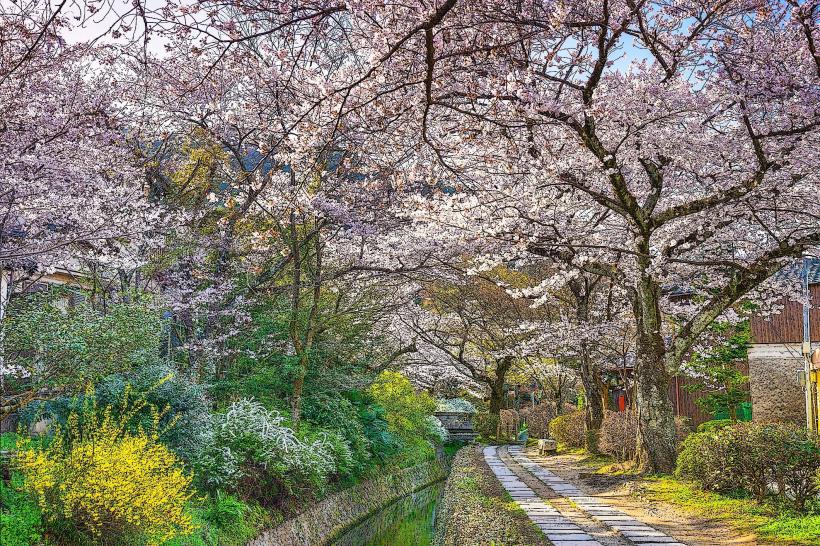
Spring and Autumn: The best seasons to visit are spring and autumn when the weather is pleasant, and the surrounding trees are in full bloom or vibrant with fall colors. Cherry blossoms bloom in the spring, creating a beautiful contrast with the bright red gates, while autumn brings stunning fall foliage.
Admission and Accessibility:
- Free Admission: The shrine itself is free to visit, making it an accessible and affordable destination for tourists.
- Access:
- The shrine is easily accessible by public transportation, with the nearest station being Fushimi Inari Station on the JR Nara Line and Inari Station on the Keihan Main Line.
- From the train stations, it’s a short walk to the shrine entrance.
Conclusion:
Fushimi Inari Taisha is a must-visit destination for anyone traveling to Kyoto. It offers an awe-inspiring combination of natural beauty, spiritual significance, and cultural history. The sight of thousands of torii gates winding up the mountainside, the peaceful atmosphere of the surrounding gardens, and the powerful symbolism of the foxes and Inari deity make it a deeply enriching experience for visitors. Whether you are seeking spiritual insight or simply marveling at the stunning scenery, Fushimi Inari Taisha will leave a lasting impression.