Information
Landmark: Fuvahmulah AtollCity: Fuvahmulah
Country: Maldives
Continent: Asia
Fuvahmulah Atoll, Fuvahmulah, Maldives, Asia
Overview
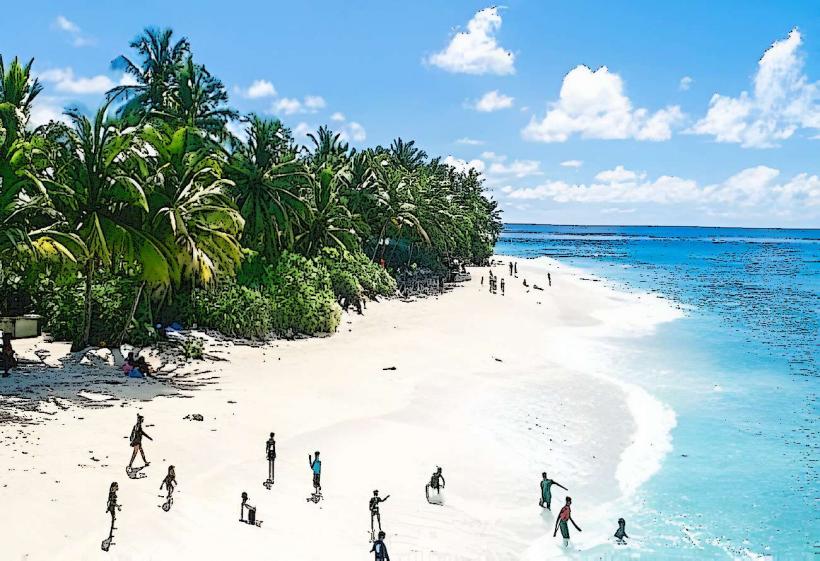
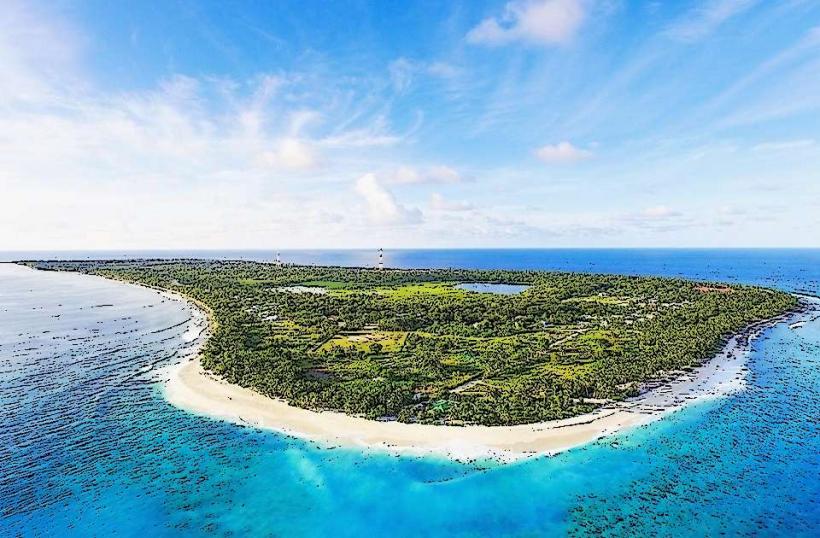
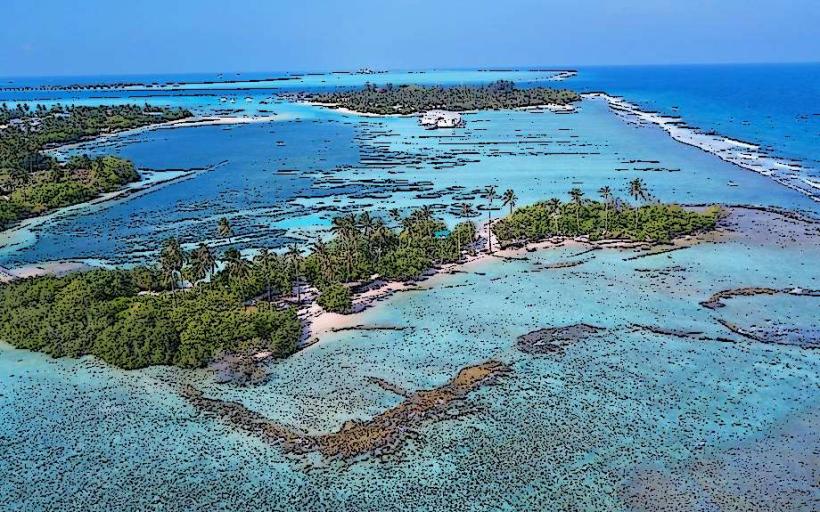
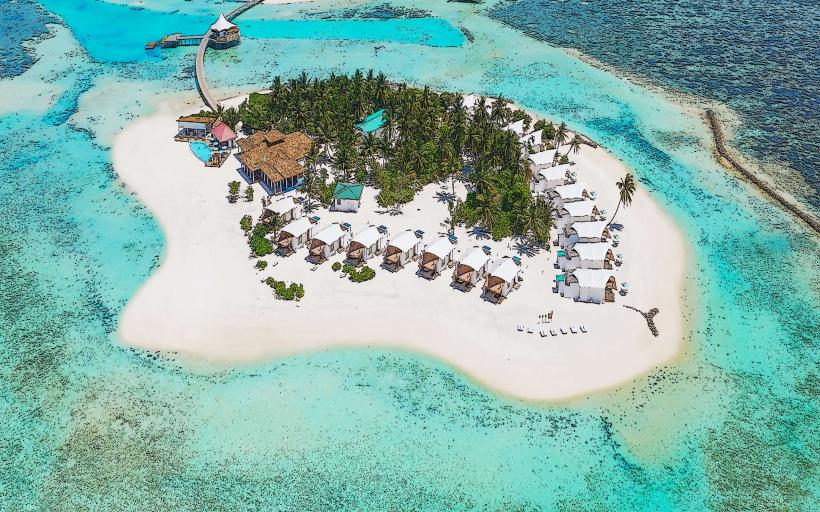
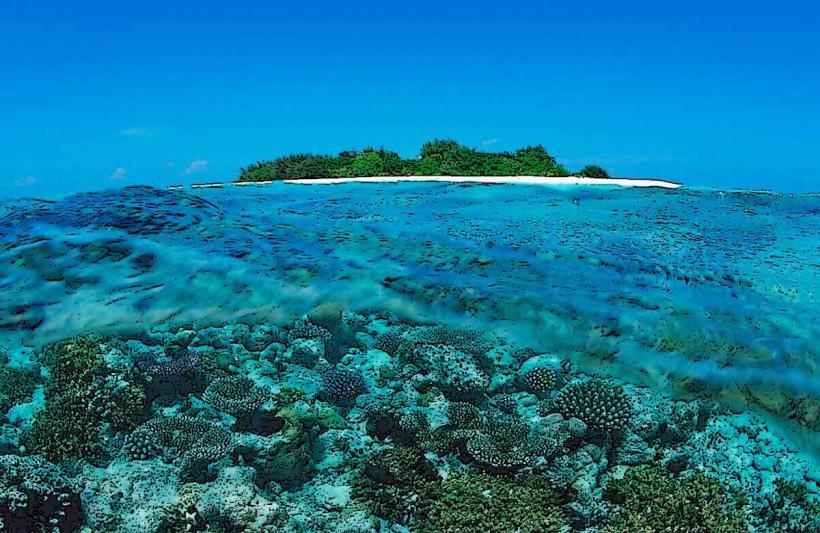
Fuvahmulah Atoll, about 500 kilometers south of Malé, sits at the very edge of the Maldives and stands out for its rare mix of landscapes and wildlife, therefore fuvahmulah Atoll stands apart from the rest of the Maldives-it’s made up of just one island, Fuvahmulah, a broad swath of green and sand that happens to be the country’s largest single island.That’s what sets it apart from most other atolls, which usually sprawl into clusters of smaller islands like scattered beads on the sea, at the same time let’s take a closer peek at Fuvahmulah Atoll, starting with its first feature.Fuvahmulah sits at the far southern tip of the Maldives, a lone island ringed by the deep blue of the Indian Ocean, in addition it’s located in the Gaafu Dhaal Atoll, part of the region’s administrative heart.Fuvahmulah is the sole island in its atoll, unlike most Maldivian atolls scattered with dozens of islands and tiny islets, subsequently covering about 4.5 square kilometers-roughly the size of a tiny town-it’s the largest single island in the country.Fuvahmulah stands out in the Maldives for its unusual height and larger size, rising above the sea where most islands sprawl low and flat like pale sandbars, also the island’s height helps shape its rare mix of life, from the still waters of its freshwater lakes and the thick scent of tropical greenery to the radiant coral reefs and wind-swept shores.The island’s ecosystems shelter an incredible variety of wildlife, including species you won’t find anywhere else in the Maldives, and its freshwater lakes-most notably the broad, still waters of Dhadimagi Kilhi-add another layer of life to the landscape, consequently these lakes shelter a rich mix of freshwater plants and animals, a world apart from the salty seas surrounding most Maldivian islands.Believe it or not, In Fuvahmulah, thick green foliage hides rare blooms, luminous-feathered birds, and quick, darting mammals, as well as the island’s mix of forests, wetlands, and rocky cliffs draws all kinds of birds, from luminous local songbirds to weary migratory flocks.Several bird species found on the island live nowhere else, turning it into a paradise for birdwatchers, while beneath the surface, Fuvahmulah Atoll’s clear waters brim with vibrant marine life, from darting reef fish to rare creatures you won’t discover in most of the Maldives, in conjunction with fuvahmulah’s coral reefs teem with life-manta rays gliding like shadows, whale sharks drifting past, dolphins flashing silver, and turtles cruising over vivid coral gardens-making it a dream spot for anyone who loves to dive or snorkel.The island’s best-known draw is its whale shark sightings, often happening near the reefs where the water shimmers deep blue around their massive shapes, in addition fuvahmulah’s coral reefs remain largely pristine, perfect for slipping beneath the surface to explore.Divers flock to spots like Tiger Reef, where oceanic whitetip sharks glide past in the deep blue; Manta Reef, alive with the deliberate, graceful sweep of manta rays; and Whale Shark Reef, one of the Maldives’ premier places to spot those gentle giants, not only that about 15,000 people live here, their days shaped by fishing boats pulling in the morning catch, fields of taro, and a modest but growing tourism trade.Not surprisingly, Fuvahmulah is famous for its close-knit community, with most people living in the main town-the busy center for trade and daily services-where the smell of fresh-caught fish often drifts through the air, to boot the islanders have held on to their traditional way of life, and fishing still anchors the local economy.Islam shapes much of the island’s culture, and travelers can step inside quiet mosques or wander through centuries-aged sites to glimpse daily traditions, in conjunction with fuvahmulah’s food highlights fresh-caught fish and produce grown in its sandy soil, bringing classic Maldivian flavors to the table.Popular local favorites include Mas Huni, a traditional Maldivian breakfast of tuna, grated coconut, and other fresh ingredients; Fihunu Mas, smoky grilled fish served with rice and creamy coconut sides; and Garudhiya, a fragrant fish soup paired with rice, a squeeze of lime, and fiery chili paste, on top of that fuvahmulah has also become a rising eco‑tourism spot, drawing visitors who value sustainable navigate and the island’s rich natural beauty.The island’s commitment to eco‑tourism draws travelers eager to experience the Maldives’ turquoise lagoons and help protect its fragile reefs, as well as alongside diving and snorkeling, Fuvahmulah invites you to kayak over glass‑clear shallows, try stand‑up paddleboarding, or skim the waves on a jet ski.Tucked away in a quiet, untouched setting, it’s perfect for water sports and outdoor adventures, on top of that in Fuvahmulah, you can hop between tiny islands, stroll along radiant sandbanks, and dive among remote coral reefs.The waters around Fuvahmulah invite you to discover quiet coves and untouched stretches of sand, where the only sound is the surf, meanwhile fishing’s a grand part of life here, and you can head out with local crews on traditional wooden boats for a sunny day on the waves or a starlit night chasing the catch.The island’s a fiery spot for gigantic-game fishing, where you might reel in anything from gleaming tuna to a powerful marlin, and it also carries weight in the Maldives’ marine conservation, working hard to protect giants like the whale shark and the sleek oceanic whitetip shark, meanwhile conservation groups team up with local stakeholders to safeguard marine life, while the island’s eco-tourism efforts invite visitors to tread lightly-respecting the coral reefs, choosing eco-friendly habits, and pitching in on preservation projects.Fuvahmulah’s clear freshwater lakes, ringed with lush palms, sustain both its people and the fragile island ecosystem, in conjunction with protecting these freshwater sources is vital so the island’s people and its wildlife can keep relying on them-whether for drinking, farming, or shelter.Fuvahmulah’s climate stays warm all year, with the air often carrying a soft, salty breeze, also plan your trip for the dry season, November to April, when the sun stays luminous and the water’s clear enough to spot fish flashing beneath the waves.Frankly, From May to October, the rainy season brings thicker air and brief, warm showers, alternatively it may be the off-peak season, but it’s still a great time for travelers who want quiet streets and a slower pace.Fuvahmulah Atoll, with its single sprawling island, delivers a truly unique slice of the Maldives, after that the island’s jagged cliffs, winding coves, and rich mix of wildlife create a landscape unlike any other.
Author: Tourist Landmarks
Date: 2025-09-08