Information
Landmark: Grand MesaCity: Grand Junction
Country: USA Colorado
Continent: North America
Grand Mesa, Grand Junction, USA Colorado, North America
Grand Mesa is a large, flat-topped mountain located in western Colorado, USA, near Grand Junction.
It is the world's largest flat-topped mountain, characterized by its extensive mesa top supporting numerous lakes and forests.
Visual Characteristics
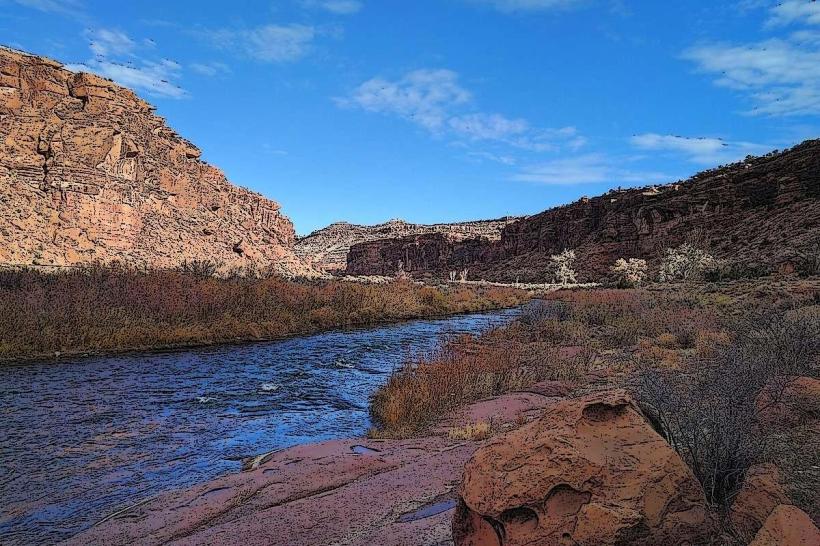
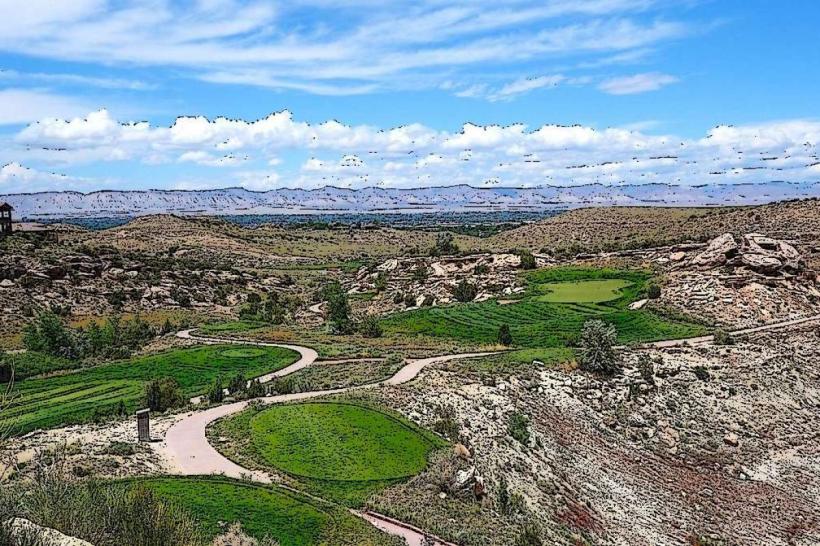
Grand Mesa features a broad, level summit plateau covering approximately 500 square miles. The mesa's slopes are primarily composed of sedimentary rock layers, including sandstone and shale, capped by a thick basalt flow. Vegetation on the summit consists of dense coniferous forests, primarily lodgepole pine and spruce, interspersed with numerous small lakes and meadows. The elevation ranges from around 5,000 feet at its base to over 11,000 feet at its highest points.
Location & Access Logistics
Grand Mesa is situated east of Grand Junction, Colorado. Access to the summit is primarily via State Highway 65 (Mesa Top Road), which ascends the southern slope. This highway is approximately 30 miles from Grand Junction. Parking is available at various pull-offs and designated areas along the highway and at lake access points. Public transport is not available to the summit. The highway is typically open year-round, but can experience closures due to snow in winter months.
Historical & Ecological Origin
Grand Mesa is a geological formation resulting from volcanic activity and erosion. The flat top is a remnant of a lava flow that capped softer sedimentary rock layers. Over millions of years, erosion has carved away the surrounding landscape, leaving the resistant basalt cap as a prominent mesa. The numerous lakes on the summit are primarily glacial in origin, formed by depressions carved by ancient glaciers and subsequently filled with water.
Key Highlights & Activities
Activities include fishing in the over 300 lakes, hiking on trails such as the Crater Lake Trail or the Mesa Top Trail, boating and kayaking on larger lakes like Island Lake and Bonham Reservoir, and wildlife viewing. During winter, cross-country skiing and snowshoeing are possible.
Infrastructure & Amenities
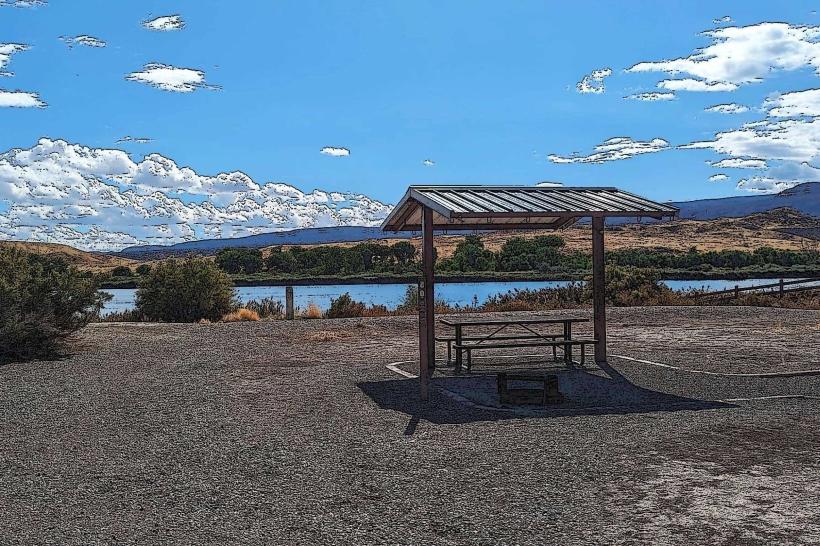
Restrooms are available at several developed recreation areas and trailheads, including near Island Lake and Cedaredge. Shade is provided by the dense forest cover. Cell phone signal (4G/5G) is intermittent and generally poor on the summit, especially away from developed areas. Limited food services may be available seasonally at some lodges or campgrounds, but visitors should plan to bring their own provisions.
Best Time to Visit
The best time for general visitation is from late May through October when the highway is clear of snow and most facilities are open. For photography, early morning and late afternoon offer favorable lighting conditions on the plateau. Fishing is often best in spring and fall. High tide is not a relevant factor for this landlocked mesa.
Facts & Legends
A notable fact is that Grand Mesa contains more natural lakes than any other location of comparable size in the United States. Local lore sometimes speaks of the mesa as a place of spiritual significance, though specific legends are not widely documented.
Nearby Landmarks
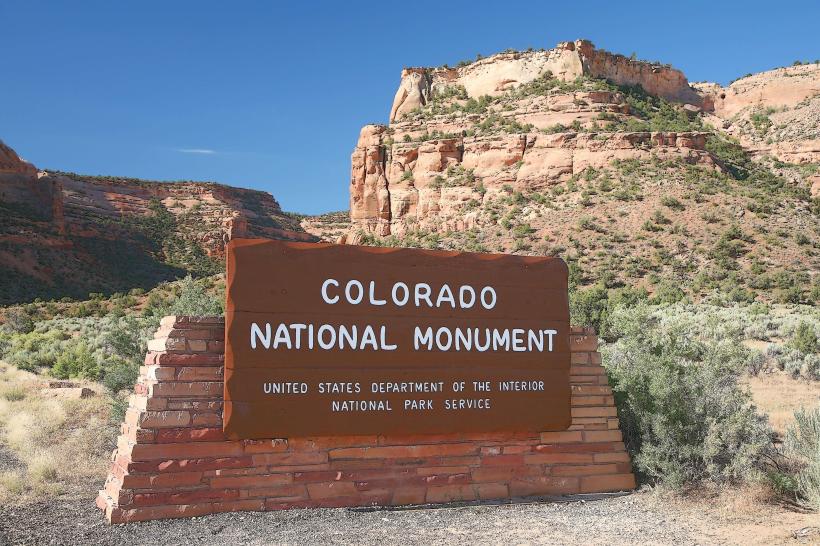
- Colorado National Monument (15km West)
- Battlement Mesa (25km North)
- Black Canyon of the Gunnison National Park (70km Southeast)
- Grand Junction (30km West)