Information
Landmark: Grand Teton National ParkCity: Jackson Hole
Country: USA Wyoming
Continent: North America
Grand Teton National Park, Jackson Hole, USA Wyoming, North America
Grand Teton National Park, located in northwestern Wyoming, stands as one of America’s most striking natural landscapes, defined by the jagged peaks of the Teton Range, glacial lakes, abundant wildlife, and vast alpine meadows. Just south of Yellowstone National Park, it offers a more intimate wilderness experience while showcasing some of the most dramatic mountain scenery in the United States.
Landscape and Geography
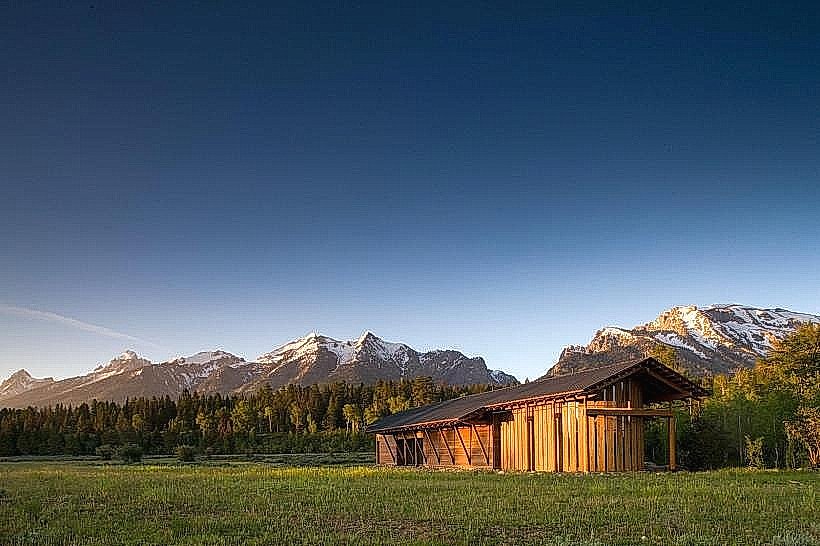
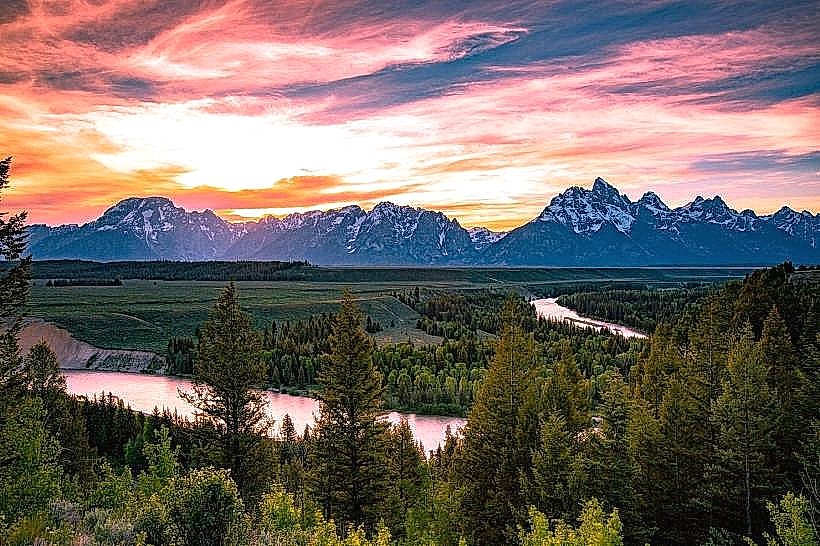
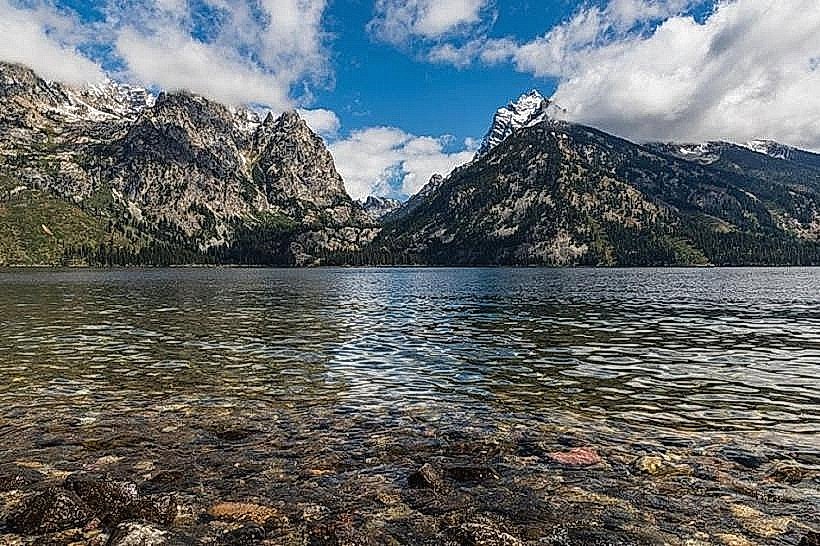
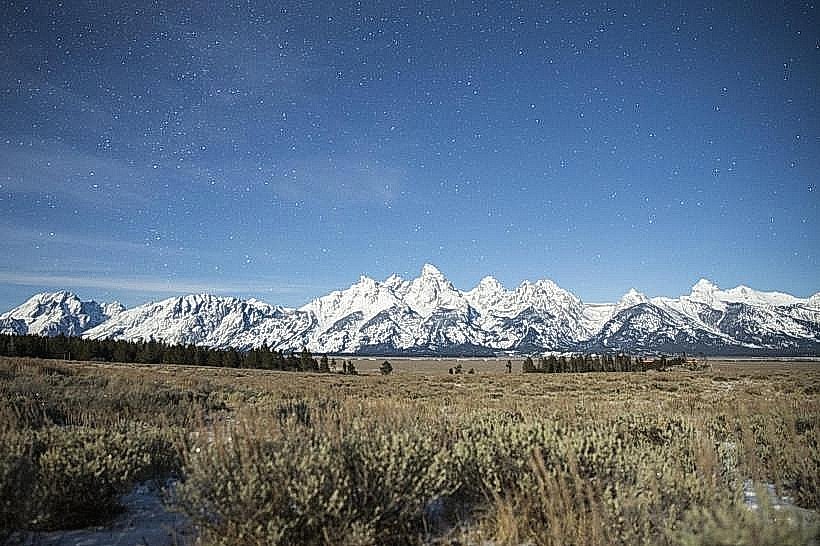
The park’s defining feature is the Teton Range, a spine of rugged, snowcapped peaks rising abruptly more than 7,000 feet above the Jackson Hole valley floor. The tallest, Grand Teton, reaches 13,775 feet and dominates the skyline. Below the range lie a chain of pristine glacial lakes-Jenny Lake, Leigh Lake, Jackson Lake, and Taggart Lake-each reflecting the towering mountains in their still waters. The Snake River winds gracefully through the valley, adding movement and texture to the sweeping vistas that have inspired countless painters, photographers, and travelers.
Wildlife and Ecosystems
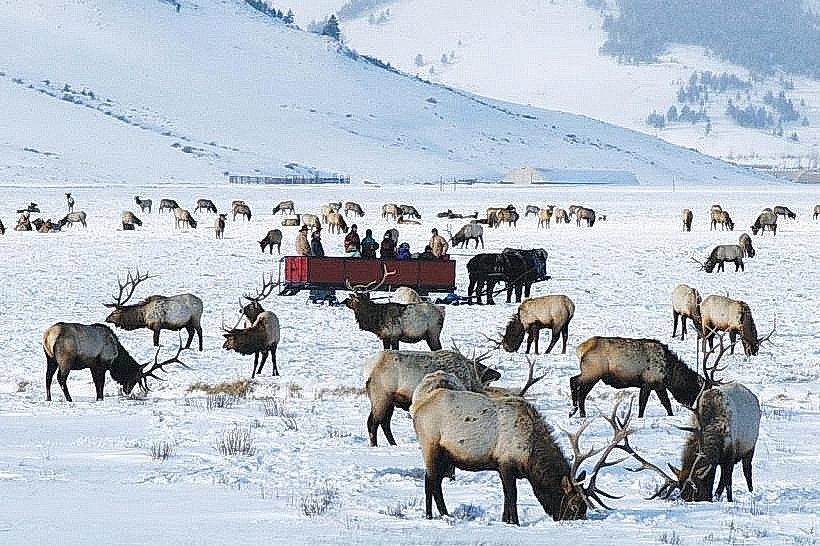
Grand Teton National Park is a sanctuary for elk, moose, bison, grizzly and black bears, mule deer, pronghorn, and eagles, all thriving within its varied habitats. Dense conifer forests, sagebrush flats, wetlands, and alpine tundra create a patchwork of ecosystems supporting remarkable biodiversity. Seasonal migrations, especially the movement of elk between the park and the National Elk Refuge, are among the park’s most impressive natural spectacles.
History and Cultural Heritage
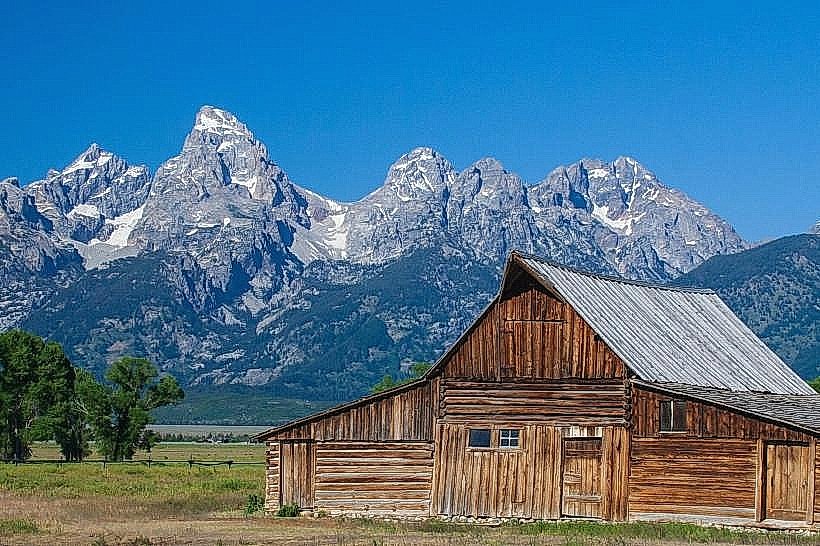
Human history in the Tetons stretches back thousands of years, from Indigenous peoples who hunted and traversed the valley to 19th-century fur trappers and early homesteaders. The Mormon Row Historic District, with its weathered barns and wide mountain backdrop, remains a cherished remnant of early settlement. The park’s creation in 1929 and later expansion in 1950 represented a landmark effort in conservation, combining federal land with privately donated ranchlands from the Rockefeller family to preserve the valley’s integrity.
Recreation and Visitor Experience
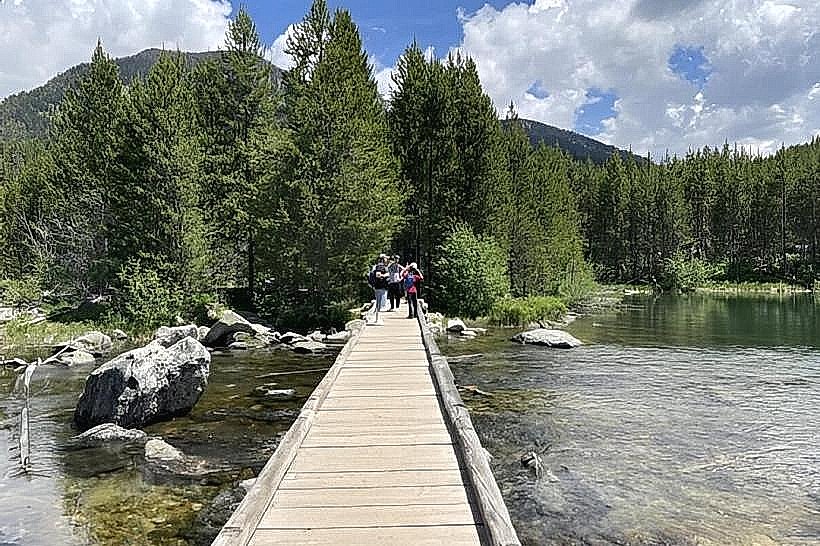
Visitors can experience the park through a network of hiking trails, scenic drives, and waterways. The Jenny Lake Trail leads to Hidden Falls and Inspiration Point, offering some of the park’s most accessible yet rewarding mountain views. More experienced adventurers climb or backpack into the Teton backcountry, while kayakers and anglers find serenity on Jackson Lake or the Snake River. Wildlife viewing and photography are exceptional year-round, especially at dawn and dusk when the peaks glow pink and orange under alpenglow.
Scenic and Spiritual Impact
Grand Teton National Park’s beauty lies not only in its physical grandeur but in its atmosphere-a rare sense of calm and timelessness. The combination of towering peaks mirrored in still lakes, vast meadows swaying with wildflowers, and the distant sound of rushing rivers gives visitors a feeling of both awe and belonging. The landscape remains a place where wilderness feels immediate and alive.
Significance
As one of the crown jewels of the American West, Grand Teton National Park embodies the essence of the Rocky Mountain wilderness. It protects both a rich natural ecosystem and the human history that shaped it, offering visitors a chance to encounter wild beauty and deep tranquility within one of the most iconic mountain landscapes in the world.