Information
Landmark: National Elk RefugeCity: Jackson Hole
Country: USA Wyoming
Continent: North America
National Elk Refuge, Jackson Hole, USA Wyoming, North America
The National Elk Refuge, just north of Jackson, Wyoming, stands as one of the most iconic wildlife sanctuaries in the American West. Established in 1912, it protects nearly 25,000 acres of grasslands, wetlands, and sagebrush flats that serve as critical winter habitat for the region’s migratory elk herds. Set between the Teton and Gros Ventre mountain ranges, the refuge plays a central role in preserving the ecological balance of the Greater Yellowstone Ecosystem.
Landscape and Setting
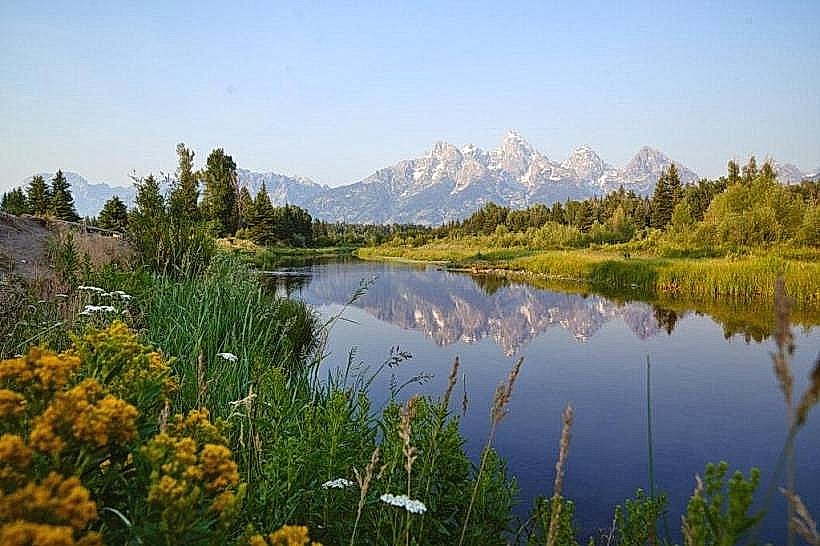
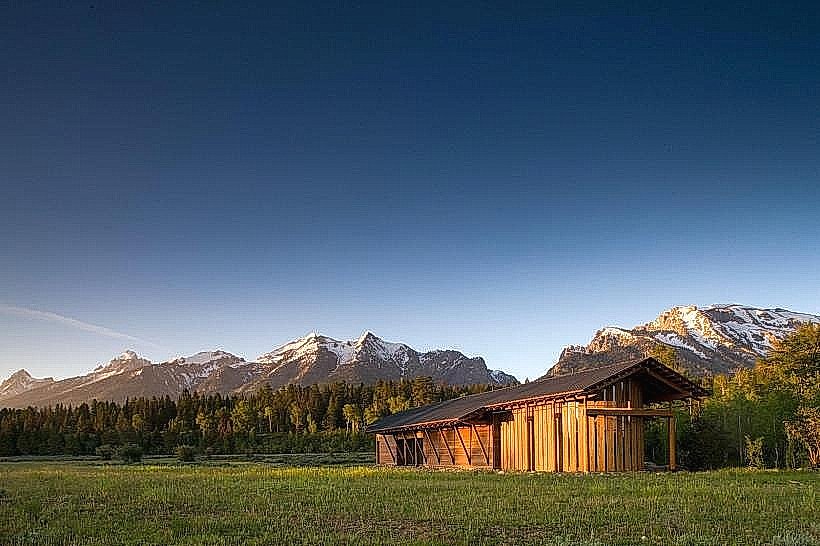
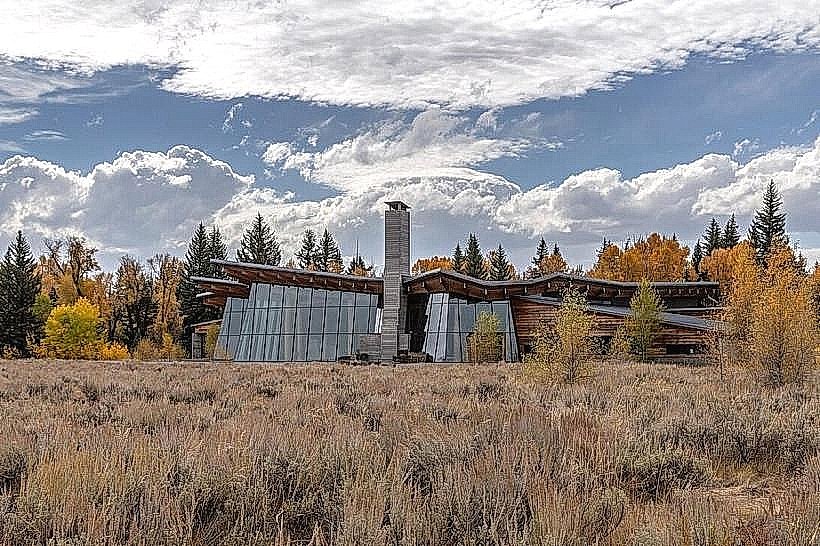
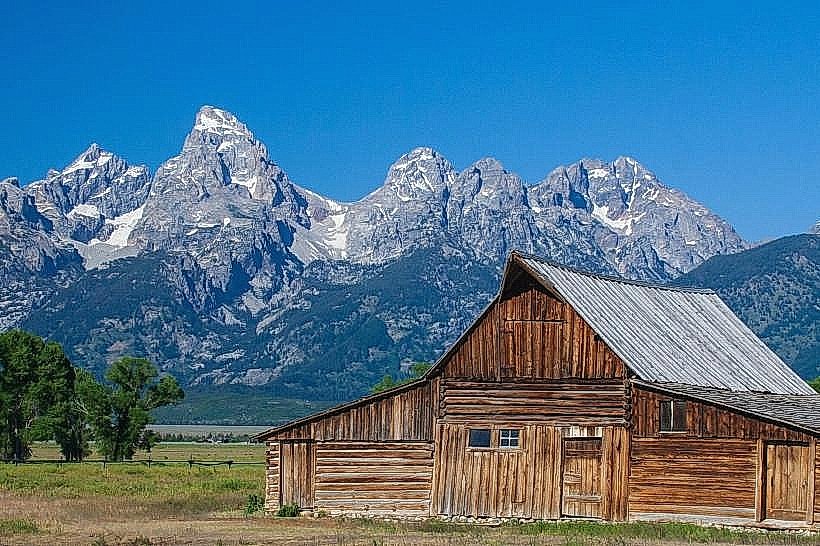
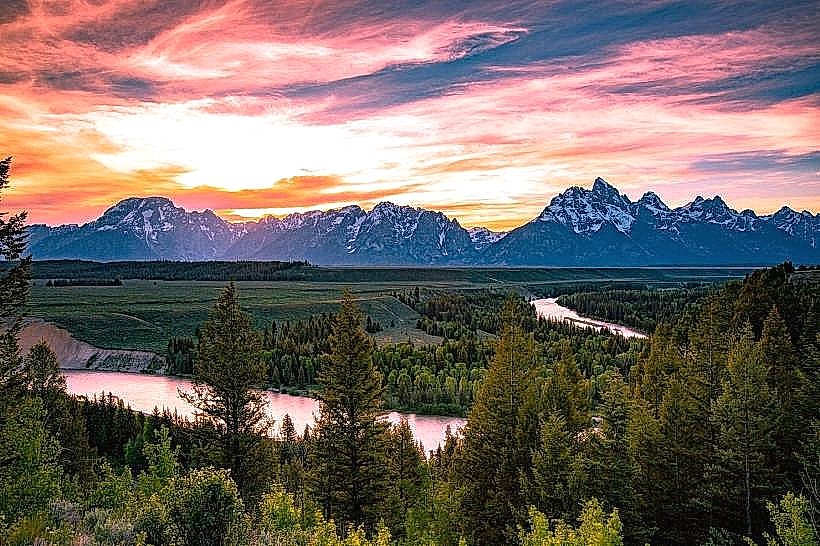
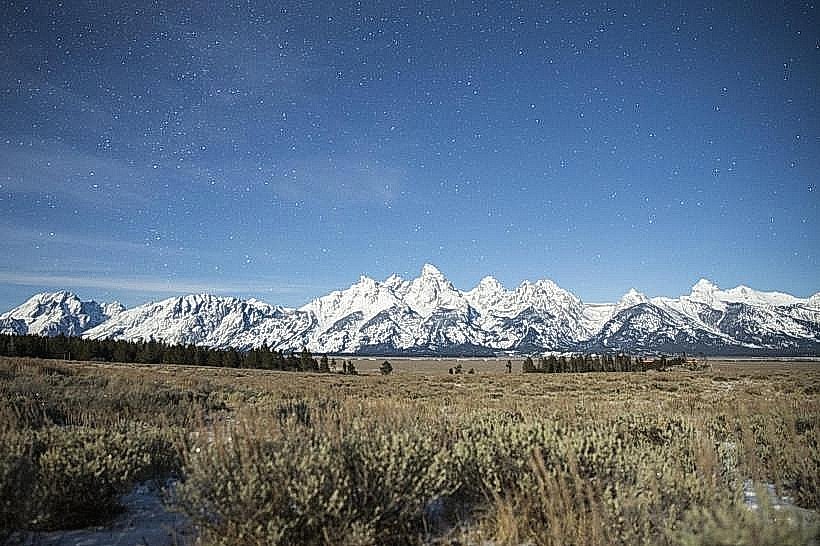
Stretching across the broad valley floor, the refuge’s landscape shifts with the seasons-from golden autumn meadows to snow-draped plains in winter. In the distance, the jagged Teton peaks rise dramatically, forming a breathtaking backdrop. The area supports not only elk but also bison, pronghorn, trumpeter swans, bald eagles, and a variety of smaller mammals and birds. During spring, wildflowers tint the meadows with subtle bursts of color, while migrating waterfowl fill the wetlands.
The Winter Elk Herds
From late November to April, thousands of elk descend from the surrounding highlands to feed and shelter within the refuge. At times, the population can exceed 7,000 animals, making it one of the largest wintering elk concentrations in North America. Visitors can often spot the herds from the Jackson Hole & Greater Yellowstone Visitor Center, which provides interpretive exhibits on migration, wildlife management, and the refuge’s century-long conservation story.
Sleigh Rides and Visitor Experience
A highlight of winter in Jackson is the horse-drawn sleigh ride across the snowy refuge. Operated in cooperation with the U.S. Fish and Wildlife Service, these guided rides bring visitors within a few meters of the elk herds. The quiet crunch of hooves and the cold mountain air create an unforgettable experience. Knowledgeable guides share insights about elk behavior, local ecology, and the ongoing efforts to sustain this delicate ecosystem.
Conservation and Ecology
The National Elk Refuge not only provides sanctuary for wildlife but also stands as a living model of collaborative conservation. It connects directly to Grand Teton National Park and other protected lands, forming a migratory corridor essential to the survival of many species. Ongoing management includes controlled feeding programs, habitat restoration, and monitoring of predator-prey dynamics involving wolves and bears. The refuge embodies the region’s balance between human stewardship and natural continuity-a rare space where wildlife still follows the rhythm of ancient migrations.