Information
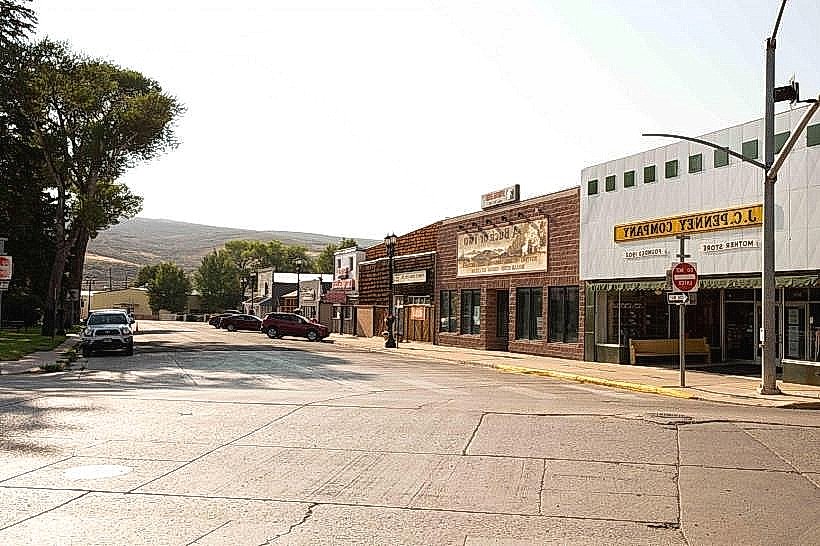
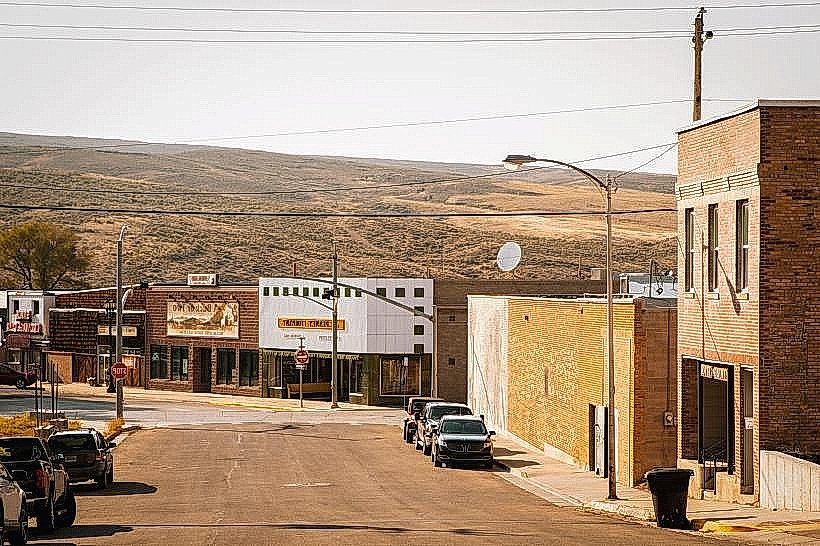
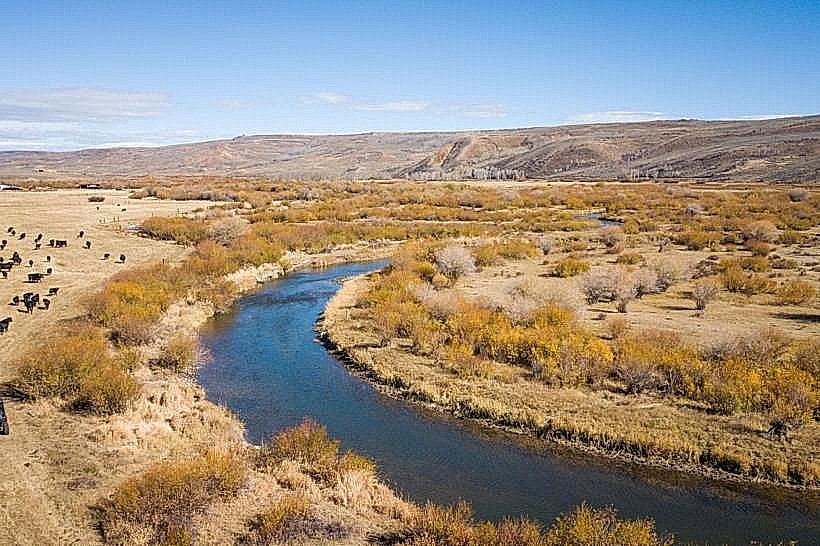
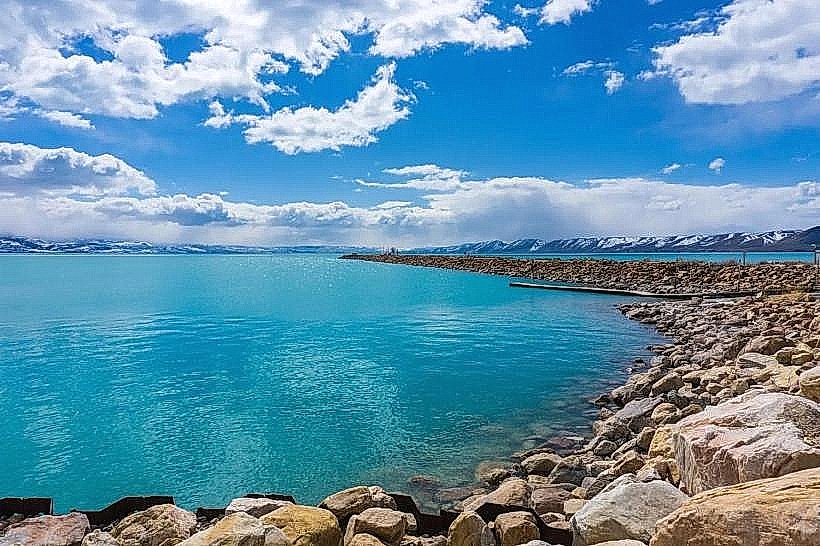
Landmark: Hams Fork CanyonCity: Kemmerer
Country: USA Wyoming
Continent: North America
Hams Fork Canyon, Kemmerer, USA Wyoming, North America
The Letlhakane Police Station Historic Block is a preserved administrative building located in Letlhakane, Botswana.
Visual Characteristics
The structure is a single-story building constructed from locally sourced stone and mud plaster. Its exterior walls are painted a pale ochre. The roof is corrugated iron, supported by timber beams. The building features a central entrance with a wooden door and several rectangular window openings fitted with metal bars.
Location & Access Logistics
The historic block is situated within the grounds of the current Letlhakane Police Station, approximately 1 kilometer west of the Letlhakane town center. Access is via the main road, A14. Limited visitor parking is available adjacent to the police station entrance. No public transport directly serves the historic block; visitors typically arrive by private vehicle.
Historical & Ecological Origin
This block was constructed in 1948 as part of the initial development of the Letlhakane administrative and policing infrastructure. It served as the primary police station and magistrate's office for the region during the colonial era. Its purpose was to establish a formal government presence and maintain law and order in the growing settlement.
Key Highlights & Activities
Observation of the building's original architectural features is the primary activity. Visitors can examine the construction methods and materials used in early 20th-century Botswana administration buildings. Interpretive signage, if present, provides historical context.
Infrastructure & Amenities
Restrooms are available within the active police station complex. Shade is provided by the building's roof and limited trees on the property. Cell phone signal (4G/5G) is generally available in Letlhakane. No food vendors are located directly at the historic block; options are available in the town center.
Best Time to Visit
The best time of day for viewing is during daylight hours, from 08:00 to 17:00, to ensure adequate light for observation. The dry season, from May to October, offers the most comfortable weather conditions for visiting Botswana.
Facts & Legends
During its operational period, this building was the central point for administering justice and policing for a vast area, including the diamond mining operations that began to develop nearby. Local accounts suggest that significant historical figures passed through this station during its active years.
Nearby Landmarks
- Letlhakane Town Center (1km East)
- Botswana Diamond Company Mine Site (4km Southwest)
- Orapa Diamond Mine (25km South - outside 5km radius, but significant nearby landmark)