Information
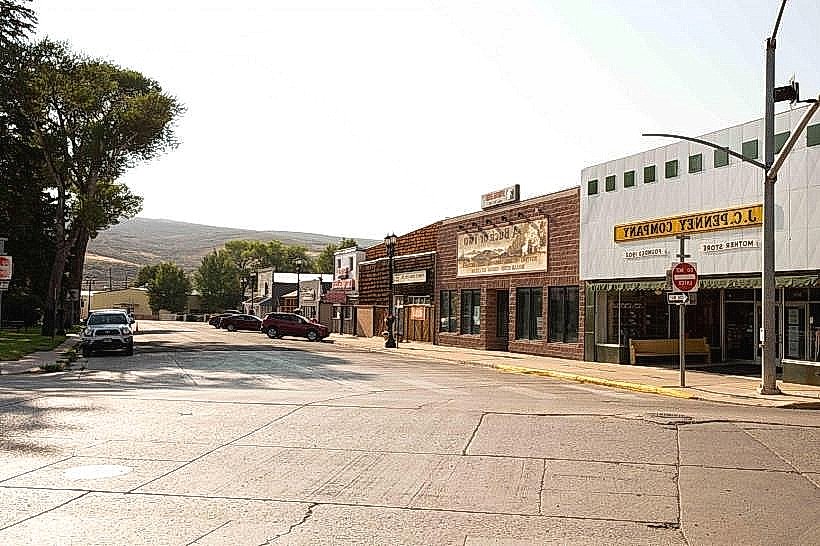
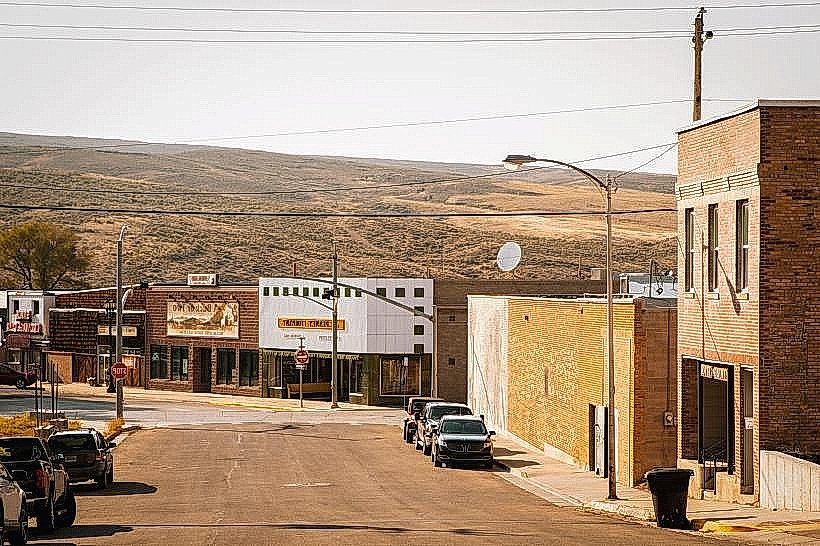
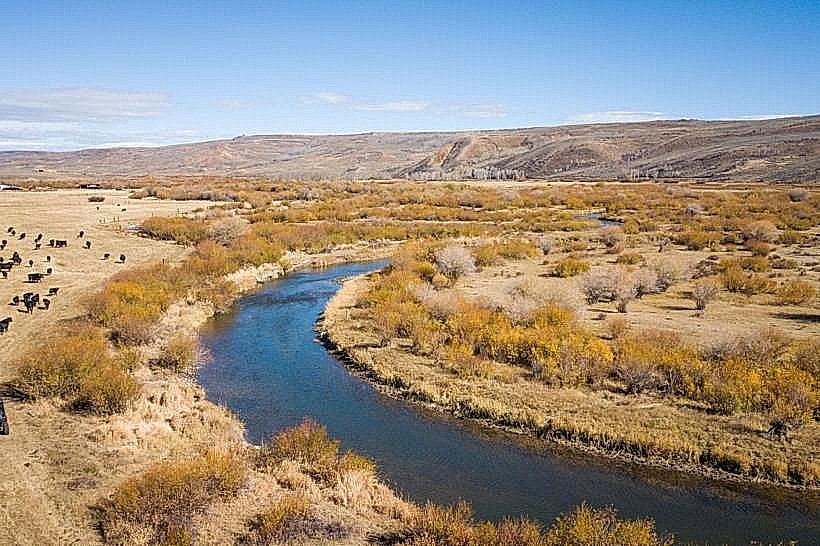
Landmark: Kemmerer Golf ClubCity: Kemmerer
Country: USA Wyoming
Continent: North America
Kemmerer Golf Club, Kemmerer, USA Wyoming, North America
The Orapa-Letlhakane-Damtshaa Mines are a complex of diamond mines located in the Central District of Botswana, near the town of Letlhakane.
Visual Characteristics
The Orapa mine is an open-pit operation, characterized by a large, circular excavation approximately 1.2 kilometers in diameter and 200 meters deep. The surrounding landscape is semi-arid, with sparse vegetation. The Damtshaa mine is also an open-pit mine, smaller in scale than Orapa. Processing plants at these sites consist of industrial buildings, conveyor belts, and stockpiles of ore. The dominant colors are earth tones of brown and grey, with the metallic sheen of mining equipment.
Location & Access Logistics
The mines are situated approximately 220 kilometers west of Gaborone and 100 kilometers southwest of Francistown. Access is via the A14 highway, turning onto local access roads managed by Debswana. Public access to the mining areas is restricted. The nearest significant town with accommodation and services is Letlhakane, located about 30 kilometers from the Orapa mine entrance.
Historical & Ecological Origin
The Orapa mine, discovered in 1967, commenced operations in 1971. It is the world's largest diamond mine by area. The Letlhakane mine began production in 1976, and Damtshaa in 2003. These kimberlite pipes, the geological formations from which diamonds are extracted, are ancient volcanic structures that have been eroded over millions of years. The region is part of the Kalahari Desert ecosystem.
Key Highlights & Activities
Public access to the active mining areas is not permitted. However, Debswana offers limited guided tours of the Orapa mine, which must be pre-arranged and are subject to availability and security clearance. These tours typically include an overview of the mining process and a visit to the mine's museum.
Infrastructure & Amenities
Within the mine sites, there are administrative buildings, processing plants, workshops, and security checkpoints. Basic amenities for employees are present. Public amenities such as restrooms or food vendors are not available at the mine entrances. Cell phone signal strength varies but is generally available in the vicinity of Letlhakane.
Best Time to Visit
For any potential guided tours, the dry season, from May to October, offers more predictable weather conditions. The best time of day for any external viewing of the mine's scale would be during daylight hours, with early morning or late afternoon providing softer light for observation.
Facts & Legends
The Orapa mine is one of the largest diamond mines in the world by surface area, covering approximately 1.18 square kilometers. A unique aspect of its operation is the use of large-scale earth-moving equipment, with haul trucks that can carry over 200 tons of ore.
Nearby Landmarks
- Letlhakane Town Centre (30km Northeast)
- Khama Rhino Sanctuary (120km Southeast)
- Makgadikgadi Pans National Park (150km East)